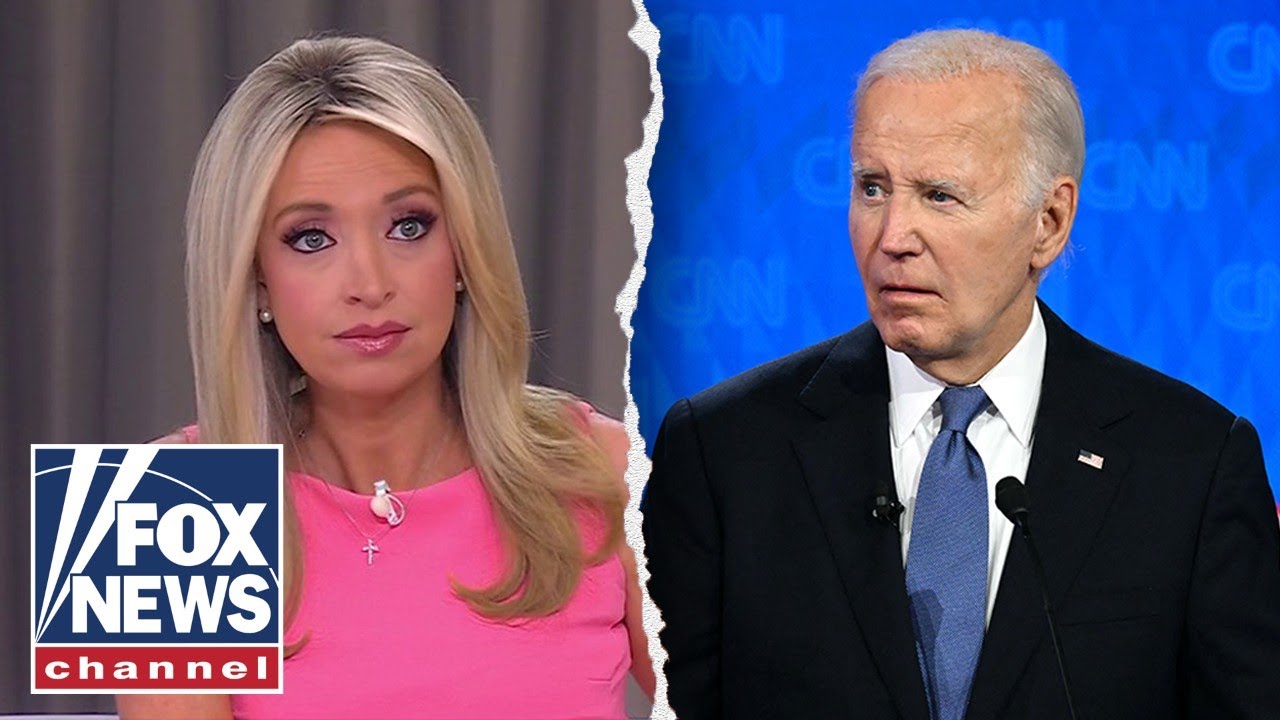
Okay, folks, buckle up because Kayleigh McEnany, former White House Press Secretary, has thrown a serious curveball into the political arena. She's raising some serious eyebrows regarding President Biden's use of an autopen to sign pardons, and honestly, it's a question that deserves a closer look. We're talking about the Constitution here, and when it comes to pardons, well, that's kind of a big deal.
Biden's Autopen Pardons: McEnany Asks the Question...
The core issue McEnany is highlighting revolves around the legality, and frankly, the legitimacy, of using an automated signature for acts of clemency. Think about it: a pardon is a presidential act, a direct exercise of power granted by the Constitution. It's supposed to be a considered decision, not something stamped out by a machine. This isn’t about signing a birthday card; it's about potentially altering someone's life and their record.
McEnany's video, which is making the rounds online, dives deep into the constitutional implications. Now, I’m not a lawyer, and I'm not going to pretend to be one, but the argument she's putting forward is compelling. Does an autopen signature truly represent the President's intent and personal consideration of each case? Or does it cheapen the process and potentially open the door to legal challenges down the road? It's a legitimate question, and one that I suspect legal scholars are already debating fiercely.
The potential ramifications are pretty significant. If the use of the autopen is deemed unconstitutional or legally unsound, what happens to the pardons that were signed in this manner? Could they be challenged in court? Could individuals who received these pardons suddenly find themselves back in legal limbo? These are the kinds of questions that need answers, and it's crucial that they are addressed transparently.
Of course, some will argue that the autopen is simply a tool to streamline the process and that the President is still ultimately responsible for the decisions made. However, the counter-argument is that the very act of personally signing a pardon carries weight and demonstrates a level of commitment that an automated signature simply can't replicate. Maybe it's old-fashioned, but I believe that symbolic gestures still matter, especially when dealing with something as fundamental as justice.
Ultimately, McEnany's challenge boils down to accountability and the proper exercise of presidential power. Whether or not the autopen pardons will face legal challenges remains to be seen. But one thing is clear: this is a debate that’s not going away anytime soon, and it raises important questions about the intersection of technology, the Constitution, and the very nature of presidential authority. It's definitely something to keep an eye on.
Comments
Please sign in with Google to post a comment
No comments yet. Be the first to comment!