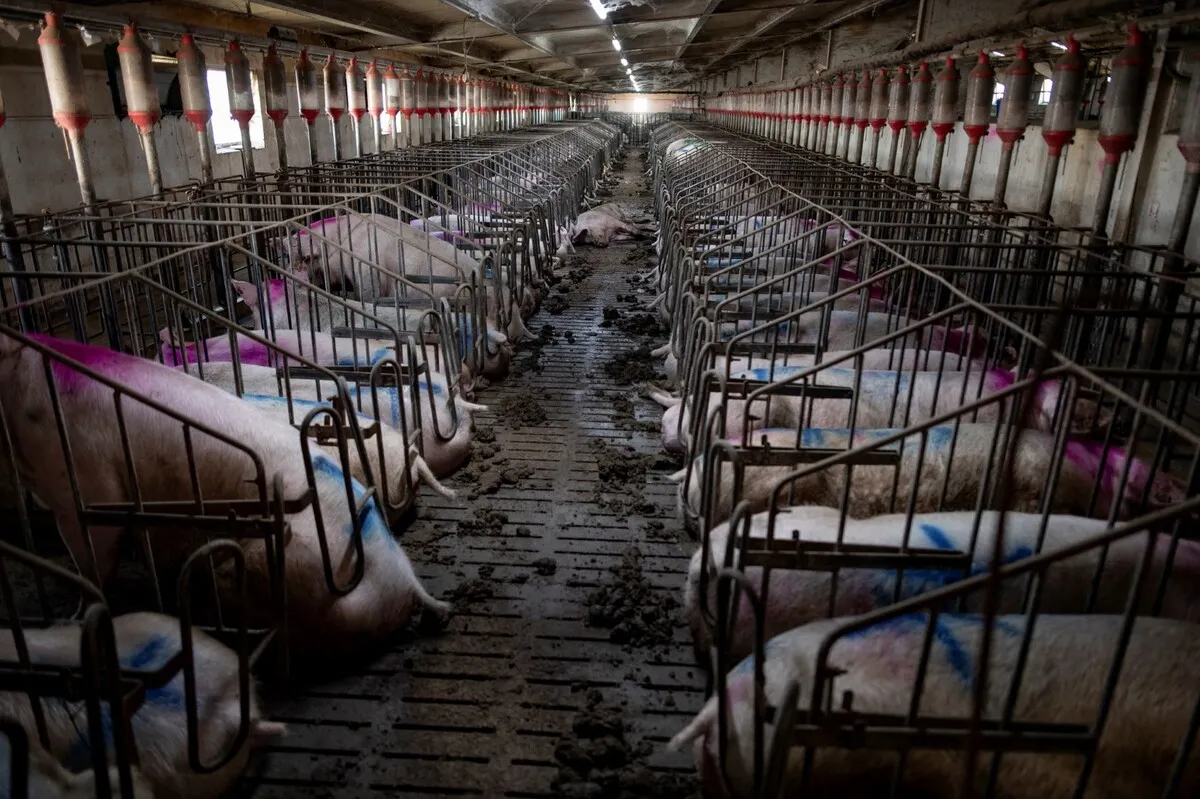
Spain is on high alert. The country's agricultural sector is racing against the clock to contain an outbreak of African swine fever (ASF). This isn't just some minor inconvenience; we're talking about a disease that can decimate pig populations and inflict serious economic pain. After confirming the first cases of ASF in over 30 years in Catalonia, the urgency has ratcheted up significantly.
Spain's Swine Fever Crisis: Is Your Pork Safe?!
The big fear, of course, is the potential impact on Spain's lucrative pork industry. Spain is a major player in the global pork market, and an uncontrolled ASF outbreak could trigger trade restrictions, sending shockwaves through the economy. It’s not just about the big corporations either; countless smaller farms and businesses rely on the pork industry for their livelihoods. I remember talking to a farmer in Extremadura a few years back, and he stressed how crucial pork production was to his family's survival. This kind of crisis hits hard at the grassroots level.
So, what's being done? Well, authorities are implementing strict biosecurity measures to prevent the disease from spreading further. This includes increased surveillance, movement restrictions on pigs, and rigorous cleaning and disinfection protocols at farms and slaughterhouses. They're essentially trying to create a firewall around the affected areas.
Finding the source of the outbreak is priority number one. Understanding how the virus entered the pig population is critical to prevent future occurrences. It could be anything from contaminated feed to wild boar populations, which are known carriers of the disease. This is proving to be a tricky task, but pinpointing the origin is paramount.
One of the biggest challenges is dealing with wild boar. They roam freely across vast areas, making them difficult to control. Culling wild boar populations is often considered, but it's a controversial issue, raising concerns about animal welfare and the potential impact on the ecosystem. It's a delicate balancing act. Furthermore, the close proximity of pig farms increases the risk of transmission should wild boars be carrying the disease nearby.
The situation is evolving rapidly, and it's going to take a concerted effort from farmers, government agencies, and the public to contain this outbreak. While the measures being taken will hopefully work, there is always a real risk of the disease spreading further. Let's hope that the combined efforts can prevent a full blown epidemic and minimize the long-term economic consequences for Spain. Time will tell.
Comments
Please sign in with Google to post a comment
No comments yet. Be the first to comment!