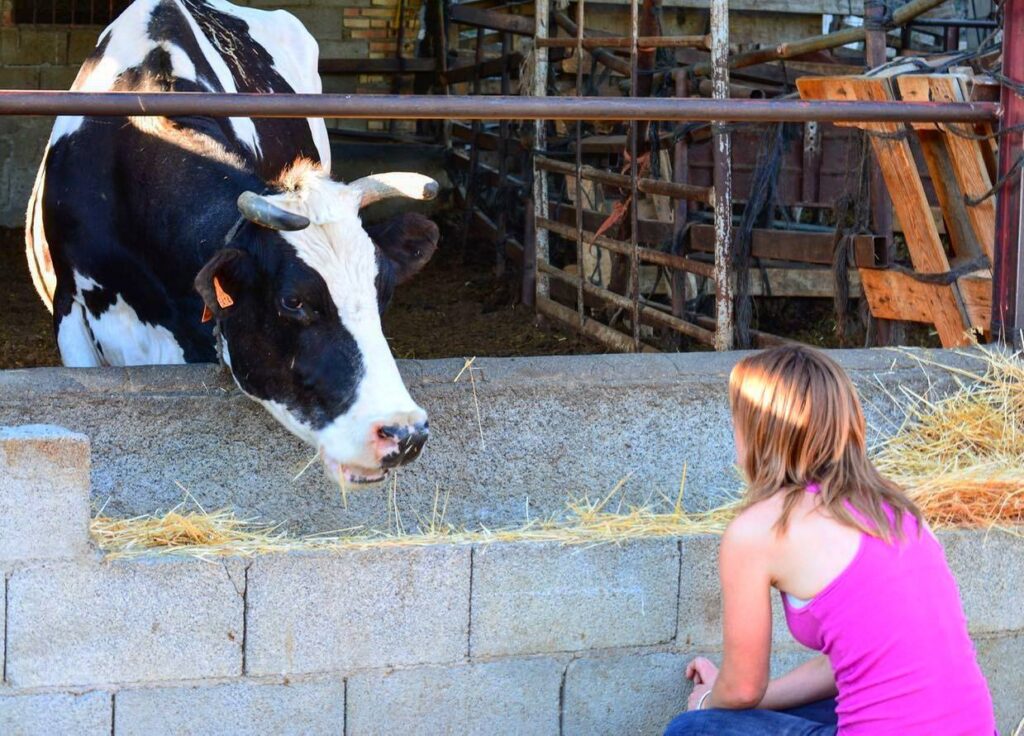
Cows moo-ving in, budgies banned: Spain’s strange new pet rules
Spain's Bizarre Pet Ban: Cows IN, Budgies OUT?! Yo...
By Molly Grace • Published: Nov 29, 2025 • 2:22 PM • 3-minute read
Spain, never one to shy away from a little controversy, is proposing a Royal Decree on companion animals that's raising eyebrows across the continent. Imagine this: cows potentially being legally designated as domestic pets while your average parakeet or parrot suddenly becomes persona non grata. Yep, you read that right. It’s all part of a planned modernization of the “positive list” of species permissible as pets, aiming for a clearer legal framework. But is it clear, or just plain confusing?
Government officials are adamant that these regulations will boost animal welfare, prevent invasive species from running rampant, and generally keep everyone safe. The aim is laudable, no doubt. But… permitting Bessie the cow while simultaneously banning little Tweety Bird? The logic feels a bit... off. Critics are definitely scratching their heads, and frankly, so am I.
This initiative puts Spain in line with broader European efforts to regulate the pet trade, both domestic and exotic. It’s arguably more restrictive than some, though. The decree specifically excludes non-native and exotic species, particularly those deemed ecological, health, or safety risks. The rationale is that exotic animals like parrots and reptiles might struggle to thrive in a Spanish apartment, potentially escaping to spread disease or wreak havoc on the local ecosystem. Certain small mammals and even invertebrates are being flagged as potential biters or venom spreaders, too. Sensible in some ways, sure.
The rub is, this is a popular place for expats, especially from the UK, Germany, and the Netherlands. Many of them own birds, reptiles, or small mammals that are now teetering on the prohibited list. This draft could force existing pet owners to declare their animals, apply for special permits, or even face restrictions on acquiring new pets. Think about the poor expat in Malaga with a beloved gecko now facing potential red tape. Not ideal.
For urban expats, registration challenges are likely. Rural smallholders, meanwhile, might need to adjust their care practices or even their existing spaces to accommodate the legal status of their farm animals as "pets". And, naturally, cross-border travel with pets just got a whole lot more complicated. Expect stricter checks and more paperwork for anything newly classified as either domestic or prohibited. Holiday travel, relocation, even just taking your furry (or scaly) friend for specialized vet care across the border could become a bureaucratic nightmare.
Ultimately, the biggest problem is the perceived inconsistency. Rural residents might see this as an opportunity to register their retired farm animals, while veterinary associations are already warning that ambiguous rules could lead to unintentional violations. It’s a bit of a legal minefield, and owners of parakeets, parrots, reptiles, and those funky little exotic mammals are facing an uncertain future. Time to keep a close eye on these developments and prepare to comply with whatever species-specific rules emerge when the final decree is signed. Oh, and maybe start building a bigger stable. Just in case.
Comments
Please sign in with Google to post a comment
No comments yet. Be the first to comment!