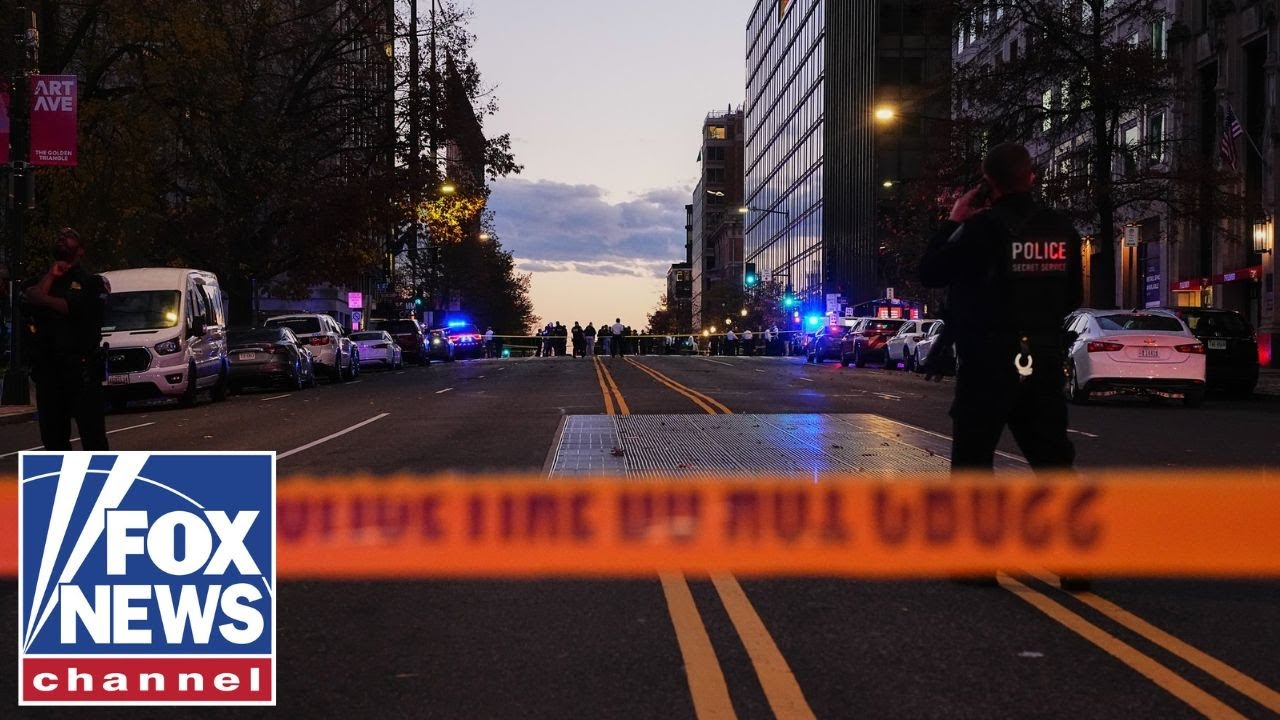
The debate over punishment in cases involving violence, especially those perpetrated by individuals in positions of trust like members of the National Guard, is never easy. Legal expert Jamil Jaffer recently weighed in on a particularly troubling case, arguing that the alleged National Guard shooter should face "significant punishment," even suggesting the death penalty might be appropriate. And honestly, it's hard to disagree with the sentiment, especially when considering the oath these individuals take.
National Guard Shooting: Death Penalty on the Tabl...
Jaffer's perspective isn't just some knee-jerk reaction, though. He delves into the complex legal and ethical considerations surrounding the situation. We're talking about someone who, presumably, was trained to protect and serve, allegedly committing a violent act. That breaches a fundamental trust, and the ramifications are significant.
The discussion, as I understand it, is less about bloodlust and more about proportionality and deterrence. What message does it send to the public, and to other members of the armed forces, if such an act is met with a lenient sentence? It raises questions about accountability and the value we place on the safety and security of the communities they are sworn to protect.
Of course, the death penalty is a particularly sensitive issue, and one I personally grapple with. There are arguments against it based on morality, potential for error, and its effectiveness as a deterrent. But Jaffer's point, I think, is that the alleged crime is so egregious, so fundamentally a betrayal of the public trust, that it warrants the highest level of consideration. It forces us to confront difficult questions about justice and the role of punishment in society.
What Jaffer articulates isn't necessarily a call for immediate execution, but rather a call for a serious and thorough examination of all possible penalties, including the death penalty. The legal process must be allowed to play out, ensuring a fair trial and consideration of all the evidence. But the conversation, and Jaffer's contribution to it, highlights the gravity of the situation and the profound impact it has on our understanding of justice and accountability. We need to have these difficult conversations, even when they make us uncomfortable. It's crucial for maintaining faith in the institutions designed to protect us.
Comments
Please sign in with Google to post a comment
No comments yet. Be the first to comment!