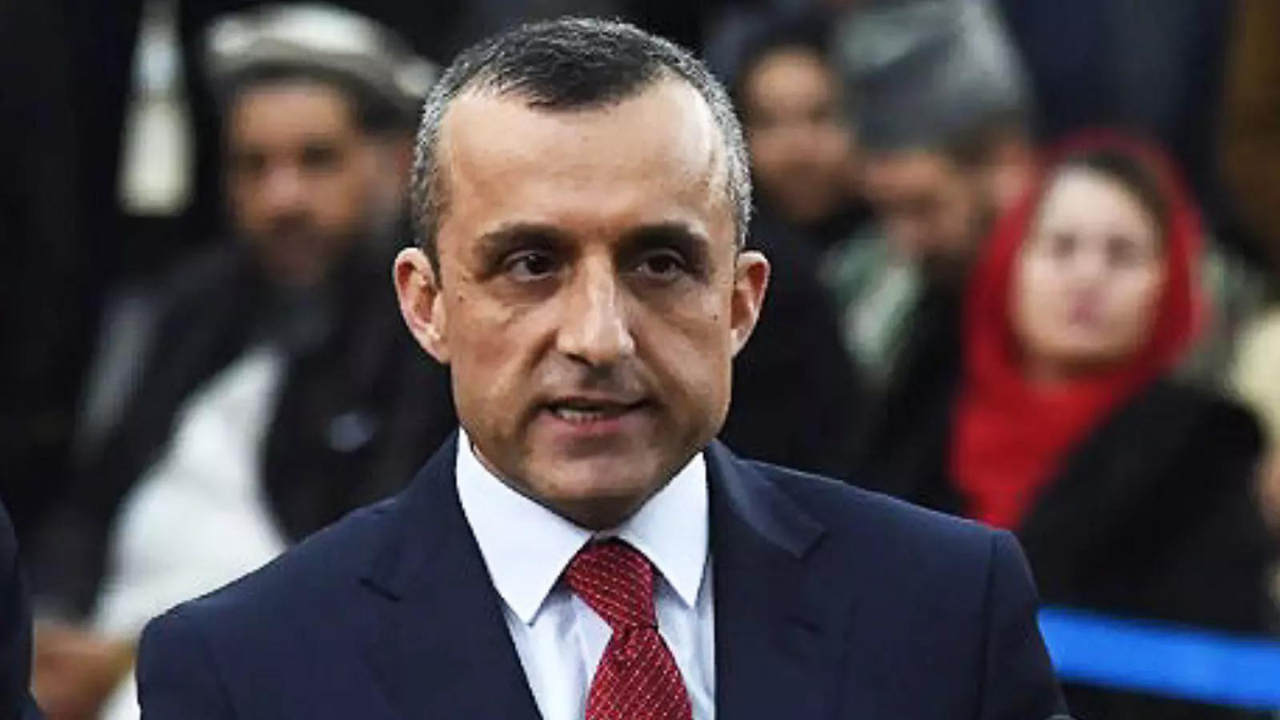
Former Afghan Vice President Amrullah Saleh has come out swinging against the Trump administration, pulling no punches in his critique of their approach to Afghanistan in the wake of the tragic shooting in Washington D.C. The alleged shooter, Rahmanullah Lakanwal, has become the focal point of a renewed debate on U.S.-Afghan relations, and Saleh isn't holding back his opinions.
Afghanistan VP's SHOCKING Plea to Trump After DC S...
Saleh's central argument? Don't punish an entire nation for the actions of one person, even if that person is, as he puts it, "the worst Afghan." It's a sentiment that resonates, frankly. We've seen this play out time and again, where a single horrific act triggers a wave of collective blame and often, unfairly targeted policies. He's calling for a sense of perspective and justice.
His criticism is multifaceted, but a key point of contention is the continued flow of U.S. dollars to the Taliban regime. Saleh alleges that millions are being sent weekly, even as the administration tightens the screws on ordinary Afghans. The optics of that are, to put it mildly, terrible. It begs the question: who exactly are we supporting, and what message does that send?
Beyond the financial aid, Saleh directly addresses Trump's reported characterization of Afghanistan as a "hellhole," urging the administration to avoid sweeping generalizations. It's a plea for nuance, something often lost in the whirlwind of political discourse. And then there's his criticism of President Biden's earlier decision to allow thousands of Afghans into the U.S., claiming that Biden's "disastrous decision" is what led to the shooting. It seems Saleh is unwilling to let the former President off the hook on this one.
But perhaps the most striking of Saleh's requests is his call for the revocation of citizenship of Zalmay Khalilzad, the former U.S. ambassador to Afghanistan and Iraq. He frames this as both a preventative and punitive measure, accusing Khalilzad of "betrayal" and bringing "shame" to the U.S. and "disaster" to Afghanistan. That's a pretty strong statement, highlighting the depth of feeling Saleh has about the situation.
The Trump administration, meanwhile, has responded to the shooting by suspending the processing of Afghan immigration requests and initiating a review of existing refugee cases. It's a move that, while perhaps understandable in the immediate aftermath of such an event, risks further alienating a population already struggling with immense challenges. It remains to be seen how these tensions will play out, but one thing is clear: the debate surrounding U.S.-Afghan relations is far from over, and voices like Saleh's will continue to shape the narrative.
Comments
Please sign in with Google to post a comment
No comments yet. Be the first to comment!