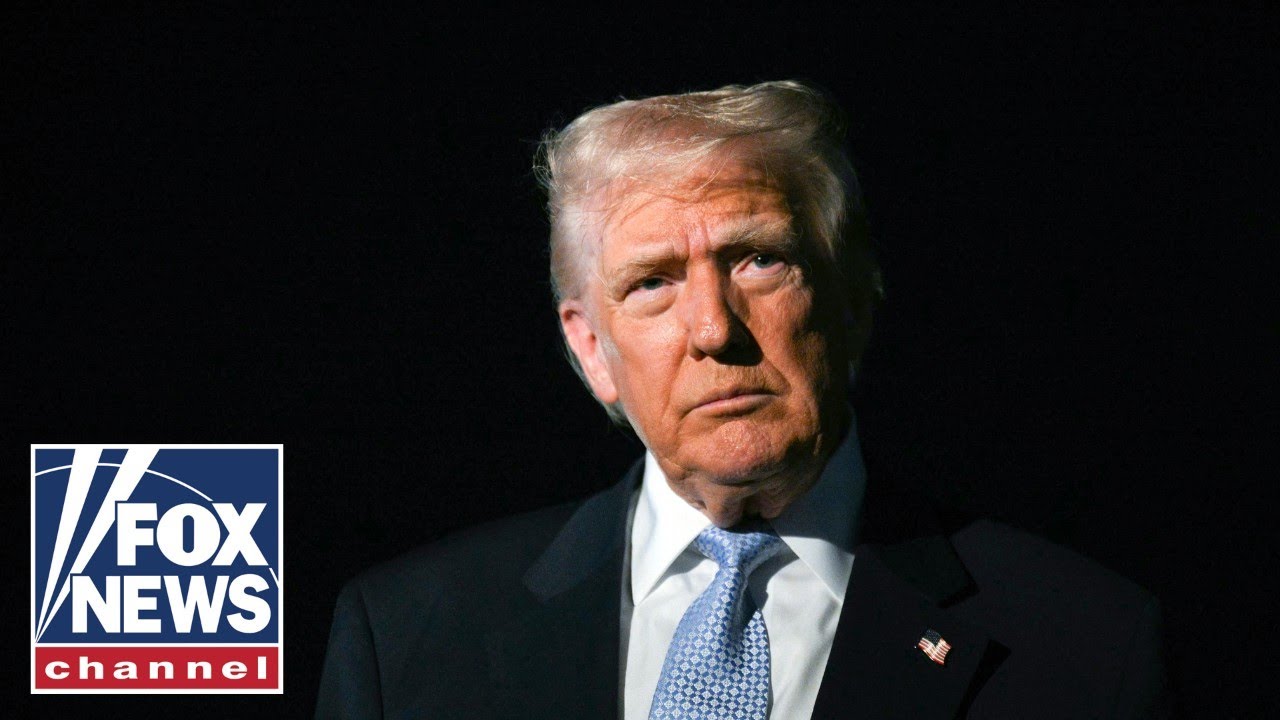
Hold onto your hats, folks, because former President Trump is back in the tax reform game. Word on the street – and more specifically, from the man himself – is that he's considering "substantially cutting" income tax rates if he gets back into office. This isn't just idle campaign chatter; it's a potential seismic shift in the financial landscape that warrants a closer look. I stumbled across a short video discussing this the other day, and it really got me thinking about the ripple effects.
Trump's Tax CUT BOMBSHELL: How Much Will YOU Save?...
Now, the specifics are still a bit vague, which, let's be honest, isn't exactly shocking. But the suggestion alone has economists and policy wonks burning the midnight oil, trying to figure out what a "substantial cut" actually means. Is he talking about a flat tax? A dramatic reduction across all brackets? Or perhaps a targeted approach aimed at specific income levels? The devil, as always, is in the details.
One thing's for certain: a move like this would have massive implications for the national debt. We're already swimming in a sea of red ink, and slashing income tax revenue would undoubtedly exacerbate the problem. The question then becomes, how would the government compensate for the lost revenue? Would we see cuts to social programs? Increased borrowing? A combination of both? These are the kinds of tough choices that come with such a bold proposal.
Of course, there's also the potential economic impact to consider. Proponents of tax cuts often argue that they stimulate economic growth by putting more money in the hands of individuals and businesses. This, in turn, leads to increased spending and investment, ultimately boosting the economy. However, critics point out that tax cuts disproportionately benefit the wealthy, exacerbating income inequality and potentially leading to asset bubbles. It's a classic debate with strong arguments on both sides.
And then there's the impact on different income brackets. A "substantial cut" could mean very different things for a single-income household earning $50,000 a year compared to a family pulling in seven figures. Understanding how these cuts would be distributed across the income spectrum is crucial for assessing their fairness and overall impact. I've always felt that tax policy should strive for a balance between incentivizing economic activity and ensuring a fair distribution of the tax burden, and this proposal definitely throws that balance into question.
Ultimately, Trump's suggestion of "substantially cutting" income taxes is more than just a soundbite; it's a policy proposal with the potential to reshape the American economy. It’s vital that voters understand the potential consequences – both positive and negative – before heading to the polls. This video I saw is a good starting point, but further research and critical thinking are essential. This could be the start of a very interesting, and potentially contentious, debate.
Comments
Please sign in with Google to post a comment
No comments yet. Be the first to comment!