Trump's latest salvo in the ongoing saga with Venezuela involves a threat that could dramatically escalate tensions: land arrests of alleged drug traffickers. Following a controversial and deadly campaign of extrajudicial killings at sea, the former president has now declared his intention to move the fight onto Venezuelan soil. It's a bold, and some would say reckless, move that raises serious questions about international law and U.S. foreign policy.
Trump's Shocking Venezuela Move: Arrests Imminent!...
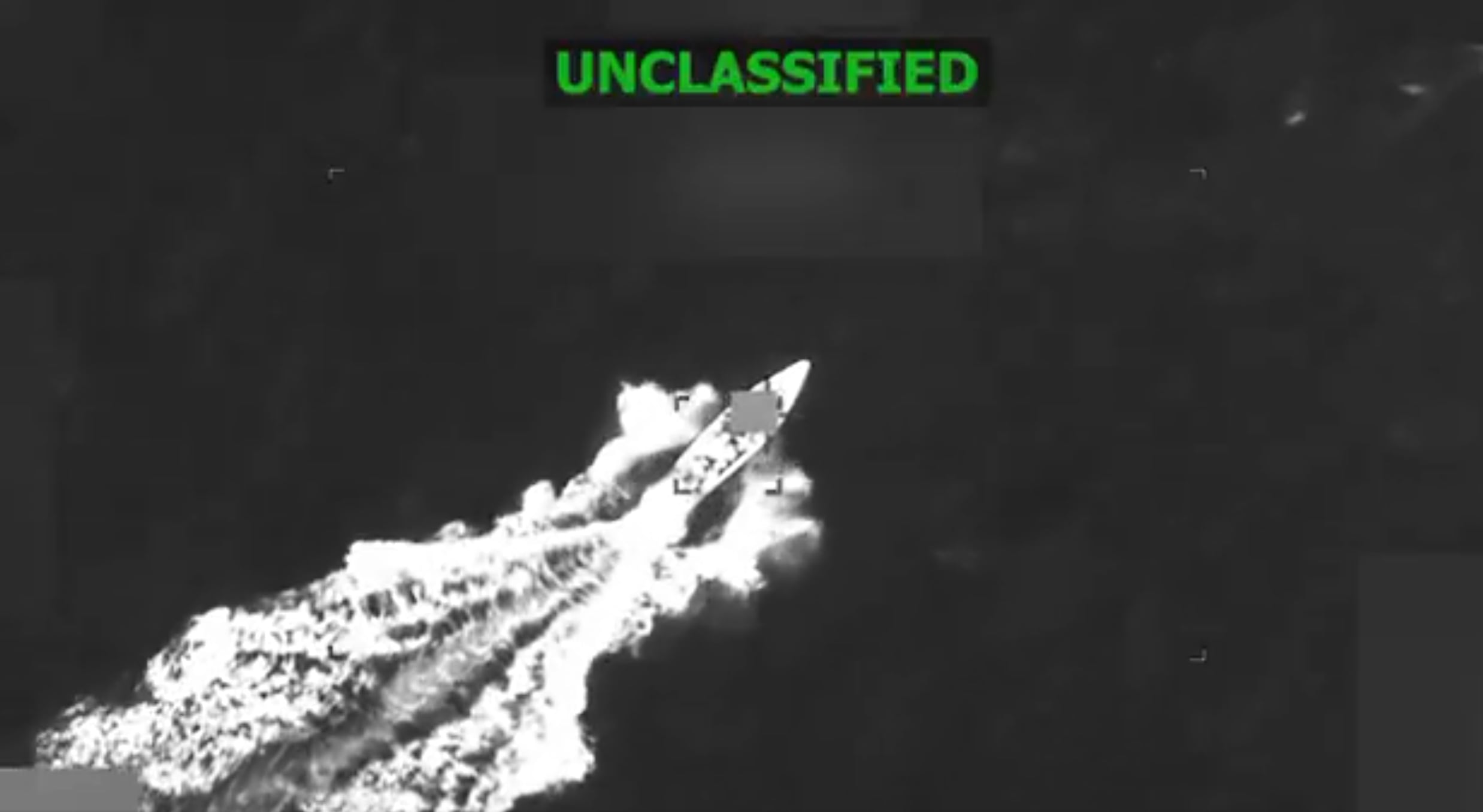
“The land is easier,” Trump stated, adding a stark warning: “We warned them. Stop sending poison to our country.” This declaration, made during a video teleconference from his Mar-a-Lago estate, comes after months of military operations in the Caribbean under the banner of "Southern Spear." These operations, which involved the bombing of at least 21 vessels and the deaths of over 80 people, have been shrouded in secrecy, with U.S. authorities offering little concrete evidence to support claims of drug trafficking. Let's face it, blowing up boats is hardly due process.
The former president accuses the Maduro regime of fueling the U.S. drug crisis, particularly the fentanyl epidemic. However, the reality is far more complex. While Venezuela might play a role, the primary sources of fentanyl entering the U.S. are Mexico and China. The focus on Venezuela feels, to some, like a convenient scapegoat, especially given the long history of U.S. attempts to destabilize the Maduro government.
Many analysts believe this threat of land-based arrests is less about drug interdiction and more about increasing pressure on Maduro, with the ultimate goal of regime change. The deployment of the USS Gerald Ford to the Caribbean and the classification of the "Cartel of the Suns" as a terrorist organization further solidify this narrative. These actions paint a picture of a U.S. administration willing to take increasingly aggressive measures to oust Maduro, regardless of the potential consequences.
Interestingly, amidst this military posturing, Trump has also hinted at the possibility of negotiations with Maduro, suggesting a willingness to “save lives.” He added a threat, naturally, that if things don’t go “the easy way,” he’d achieve his goal “the hard way.” This apparent openness to dialogue, however, could indicate a shift in strategy, maybe a reconsideration of outright military intervention, despite pressure from hardliners within his inner circle. It’s a confusing, contradictory message, but one thing's for sure: the situation in Venezuela remains a volatile and unpredictable powder keg.
Comments
Please sign in with Google to post a comment
No comments yet. Be the first to comment!