Afghan Athletes Rebuild Dreams After Taliban Takeover
From Taliban's Grip to Gold? Afghan Athletes' Insp...
MELBOURNE – They escaped Afghanistan with little more than their dreams tucked away like precious jewels. Now, safe in Australia, these athletes are training again, battling not only opponents on the field but also for a future where they can compete freely, without fear.
When the Taliban seized control of Afghanistan four years ago, the world watched in horror as women and girls were swiftly barred from participating in, well, pretty much everything, including playing sports. For many of the country’s top female athletes, the only viable option – the only way to stay alive and keep their sporting dreams flickering – was to flee. It's hard to imagine the choices they faced.
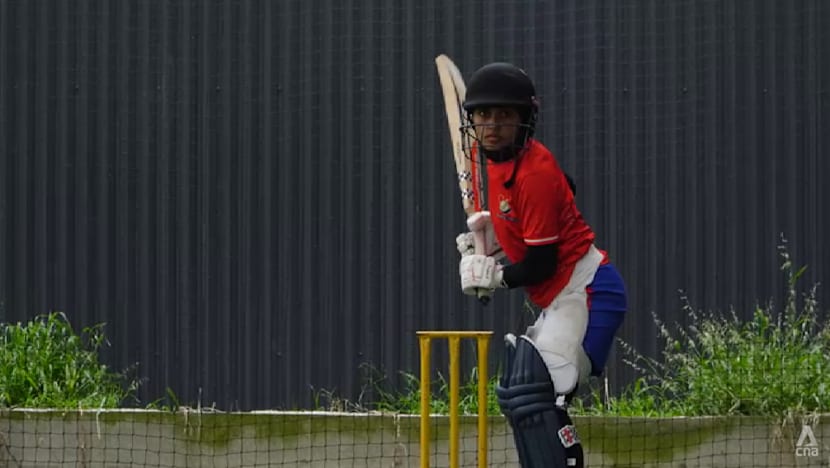
Among them was 21-year-old cricketer Firooza Amiri, who escaped to Australia clutching little more than an Afghanistan team shirt she couldn't bear to part with. It's a potent symbol of what she left behind, and what she's determined to reclaim.
For Firooza, cricket isn't just a game; it's a passion, a lifeline that has shaped her identity. Sadly, that very passion made her a target once the Taliban swept into power in 2021, following the withdrawal of US troops and the ensuing mass panic. I remember watching the news unfold, feeling a sense of helplessness as I saw the desperation in people's faces.
Firooza, who proudly played for Afghanistan’s national team, spent weeks in hiding as the new regime actively hunted down female athletes. Think about that for a moment. Hunted down for playing a sport.
“They were checking the houses. First thing I did, I burnt everything. All my cricket gear, my medals,” she recounted. “The only thing I couldn’t burn was my Afghanistan T-shirt. That means so much to me. For me, that T-shirt is something that every time I looked at it, (I thought:) I cannot give up on cricket.” A powerful statement. A testament to her resilience.
She was one of 19 Afghan women cricketers who received emergency humanitarian visas to Australia. Today, she is making good on her promise, honing her batting skills with Dandenong Cricket Club in Melbourne. "She comes every week to every training, every game with an amazing positive attitude. It actually empowers the rest of the girls,” a coach said. That’s the kind of spirit that makes all the difference.
Firooza trains alongside her older sister and former national teammate, Nazifa Hamdani. The Afghan women’s cricket team has been geographically split since arriving in Australia, some settling in Melbourne and others further afield in Canberra. The distance hasn't diminished their bond, though.
Despite living 650km apart, the squad reunited earlier this year after a training camp in India during the ICC Women’s Cricket World Cup, funded by the International Cricket Council (ICC). The athletes share a common dream: to be allowed to compete as a team once again. But the current situation is complex. Afghanistan’s Taliban government refuses to recognize any women’s sports teams, which means the ICC doesn't officially recognize the Afghan women’s squad, even though they continue to fund the men's team. A decision that seems somewhat contradictory, doesn't it?
Australia is one of several countries refusing to play a bilateral cricket series with Afghanistan in support of the women’s team. It's a small act of solidarity, perhaps, but one that sends a clear message.
Comments
Please sign in with Google to post a comment
No comments yet. Be the first to comment!