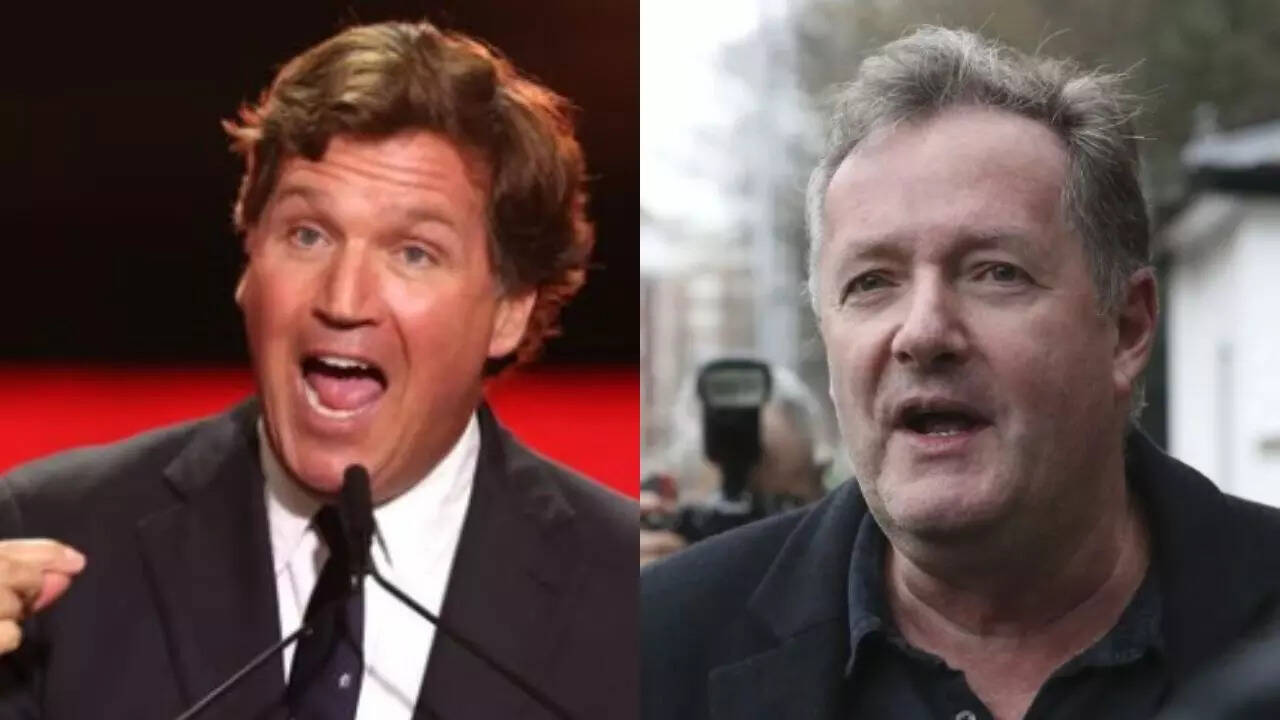
Tucker Carlson, never one to shy away from controversy, has stirred the pot again, this time across the pond. In a recent episode of "The Tucker Carlson Show," he challenged none other than Piers Morgan on the nuances of free speech in the UK, and the challenge was, shall we say, pointed.
Tucker Carlson Dares Piers Morgan: Shocking Free S...
The spark? A Daily Mail story about Elizabeth Kinney, convicted of a hate crime for using a homophobic slur in text messages against her attacker. The legal repercussions – a fine and community service – seemed to particularly irk Carlson, who framed the issue as a fundamental assault on freedom of expression. It’s a classic Carlson move, really – taking a specific instance and using it as a springboard for a broader philosophical debate.
The heart of the matter, as Carlson sees it, is the right to use *any* word, regardless of its potential to offend. He even dared Morgan to utter a homophobic slur on air. "Would you say the word on camera?" Carlson pressed, clearly trying to make a point about perceived limitations on speech in the UK. Morgan, to his credit, refused, arguing that using such derogatory language is simply unnecessary, especially when advocating for other causes.
Now, let’s be clear, Carlson maintains he's not anti-gay. He defended his position by asserting his freedom of expression, even drawing a comparison to the use of the N-word. It's a slippery slope argument, and one that often ignites passionate debate. I think most reasonable people understand that while freedom of speech is paramount, it's not absolute. There are consequences, both legal and social, for words that incite violence or hatred.
The exchange got pretty heated. Carlson, repeating the slur multiple times, seemed intent on goading Morgan. "I am allowed to, I just choose not to," Morgan retorted, a sentiment that probably resonated with many viewers. It’s not about the ability to say something offensive; it's about the *choice* not to. That's where personal responsibility and societal norms come into play.
Carlson wrapped up his defense by saying, "Let my life, the way that I actually live and treat people, be the testament to my heart." It's a fair point, I suppose. Actions often speak louder than words, and judging someone solely on their willingness (or unwillingness) to utter a specific word can be overly simplistic. However, the question remains: does the relentless pursuit of "free speech" sometimes overshadow the potential harm caused by hateful rhetoric? It’s a question worth pondering, even if you don’t particularly enjoy the messenger.
Comments
Please sign in with Google to post a comment
No comments yet. Be the first to comment!