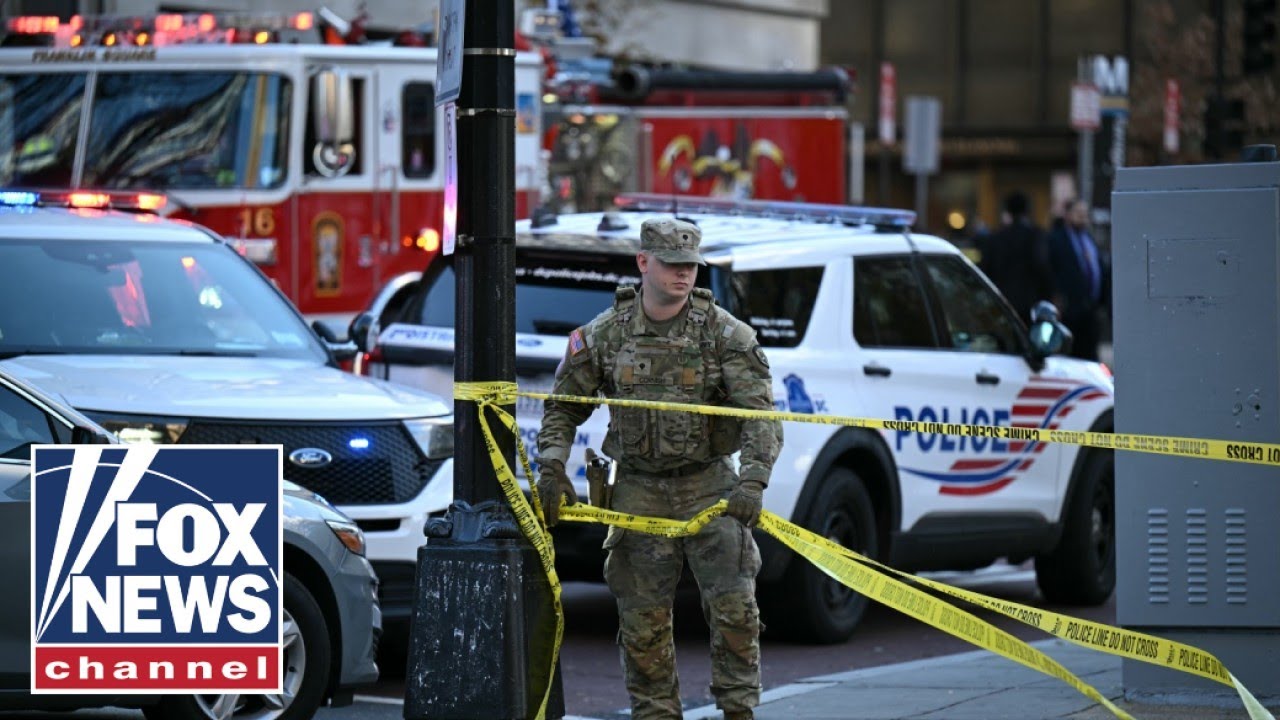
Retired FBI agent John Riley isn't mincing words. In a video released late yesterday, Riley is blunt in his assessment of the recent shooting of a D.C. National Guard member, stating plainly, "Evil does exist, and we're seeing it play out on our streets." It's a stark declaration, and one that suggests a deep-seated concern about the direction our society is headed.
DC Guard Shooting: Retired FBI Agent's SHOCKING Cl...
Riley, who spent over two decades tracking violent crime for the Bureau, doesn't just analyze the specific incident; he paints a broader picture. He worries, and rightfully so, that this attack could be a catalyst, sparking a chain reaction of retaliatory violence. "These things don't happen in a vacuum," he says in the video. "One act of aggression can easily lead to another, and another, creating a dangerous cycle." He highlights the potential for escalation, especially given the current climate of heightened political tension and social unrest. It's a grim warning, to be sure.
What's particularly striking about Riley's commentary is his emphasis on prevention. He isn't simply pointing fingers or engaging in political rhetoric. Instead, he's advocating for proactive measures to de-escalate tensions and address the root causes of violence. He mentions the need for increased community engagement, improved mental health resources, and a renewed focus on conflict resolution skills, particularly among young people. It’s a multi-pronged approach, acknowledging that there's no single, easy answer.
I’ve covered crime beats on and off for years, and you learn pretty quickly that prevention is always the best strategy, however difficult it might be to implement. Riley's call for preventative measures echoes the sentiments of many community leaders and law enforcement professionals who understand that reactive policing alone isn't enough. We need to address the underlying issues that contribute to violence, and that requires a concerted effort from all stakeholders.
Of course, some will dismiss Riley's concerns as alarmist. They might argue that one isolated incident doesn't necessarily portend a wider trend. But I think it’s crucial to listen to the voices of experienced professionals like Riley, who have dedicated their careers to understanding and combating violent crime. His perspective, grounded in years of practical experience, offers valuable insights into the potential dangers we face and the steps we can take to mitigate them. Ultimately, whether we agree with his exact assessment or not, the discussion he's sparked is a necessary one.
Comments
Please sign in with Google to post a comment
No comments yet. Be the first to comment!