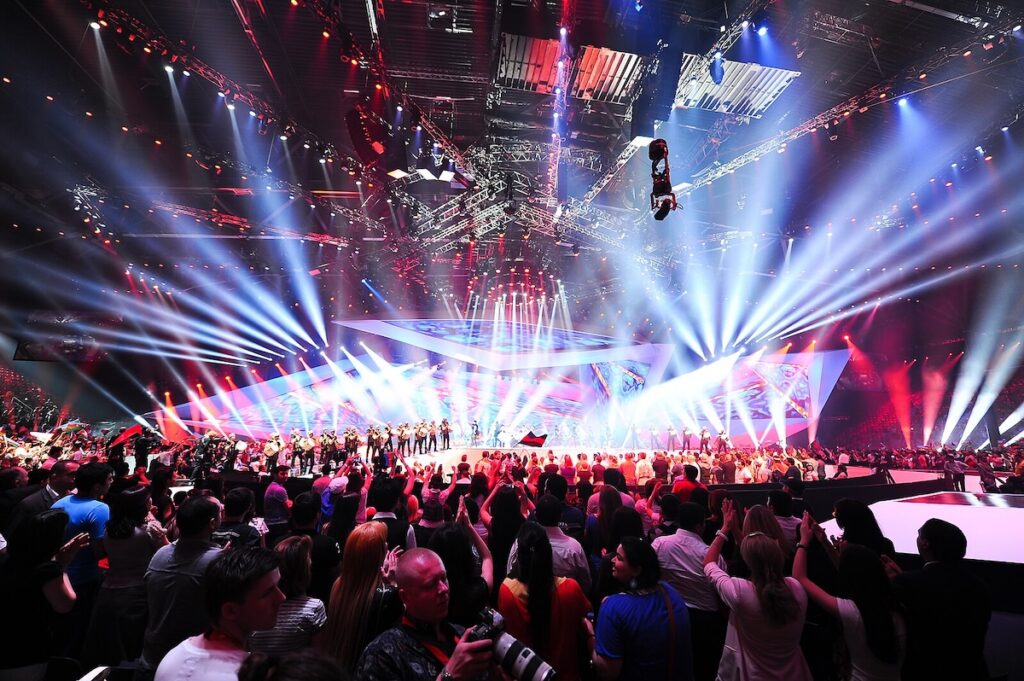
A sigh of relief rippled through Europe, albeit delayed, as news broke this week: a Swedish man has been sentenced to two years in prison for his role in a foiled terrorist plot targeting the 2020 Eurovision Song Contest in Rotterdam. Think about that for a moment – Eurovision. The annual celebration of glitter, questionable lyrics, and international camaraderie, almost became a scene of unimaginable horror.
Eurovision Terror Plot Foiled! What Was The Shocki...
Alexander H., now 23, received an eight-year sentence in a Luxembourg City court, though six years were suspended. He was convicted on a raft of charges, including involvement in a terrorist organization, violations of European explosives regulations, and Luxembourg's own stringent firearms laws. It's a harsh reminder that even seemingly frivolous events can become targets for extremist ideologies. I remember watching Eurovision that year (the one that *did* happen in 2021) and thinking how much we needed that sense of unity after everything. To think it could have been so different is chilling.
According to Swedish broadcaster SVT, Alexander wasn’t exactly a model citizen before this. He was reportedly a member of an eco-fascist group responsible for burning down a mink farm back in 2019. From there, he allegedly gravitated toward The Base, a neo-Nazi paramilitary group with connections to suspected criminals operating in the Netherlands. It paints a picture of a disturbing descent into extremism.
Luxembourg authorities deserve a medal for their quick action. They apprehended Alexander in February 2020, a mere 80 days before Eurovision was set to kick off at the Rotterdam Ahoy venue. That intervention is what prevented what could have been a catastrophic attack. Inside the basement of his father’s home in Strassen, Luxembourg, they uncovered a terrifying bomb-making workshop.
The arsenal discovered was genuinely frightening: TATP, nitroglycerine, a functional pipe bomb, materials for producing chlorine gas, rocket prototypes, and even a parcel bomb addressed to a film company in Sweden. Authorities believe Alexander, then only 18, had been meticulously planning attacks in both Sweden and the Netherlands for months, with the Eurovision plot as a centerpiece.
Apparently, Alexander didn’t work alone. He allegedly collaborated with a Dutch man, Florian D., and together they documented their twisted plans in a document titled “Fun time for Eurovision 2020 – For a better and less over-accepting future.” The details are stomach-churning: plans to poison attendees with cyanide or ricin, release chlorine gas, and disperse chemicals using the venue's ventilation system or custom-built rockets. They even mapped out ways to infiltrate security, block emergency exits, and launch secondary attacks, including a strike on an oil depot in Nacka, Sweden. Alexander had even scouted out weaknesses in the depot's perimeter fence.
In a strange twist of fate, the actual Eurovision Song Contest in Rotterdam was postponed until 2021 due to the COVID-19 pandemic. It's a grim reminder that even in the face of global adversity, the threat of human malice persists. Florian D. was questioned by Dutch police, but ultimately released, as they concluded he never intended to follow through with the attack.
While the prosecutor had recommended a 12-year sentence, citing the life-saving intervention by Luxembourg authorities, Alexander's sentence ended up being shorter. Both the prosecutor and Alexander have 40 days to appeal the decision. It remains to be seen if they will. The defendant, notably, wasn't present at the sentencing hearing. The whole case is a stark reminder of the ever-present dangers we face, and the importance of vigilance.
Comments
Please sign in with Google to post a comment
No comments yet. Be the first to comment!