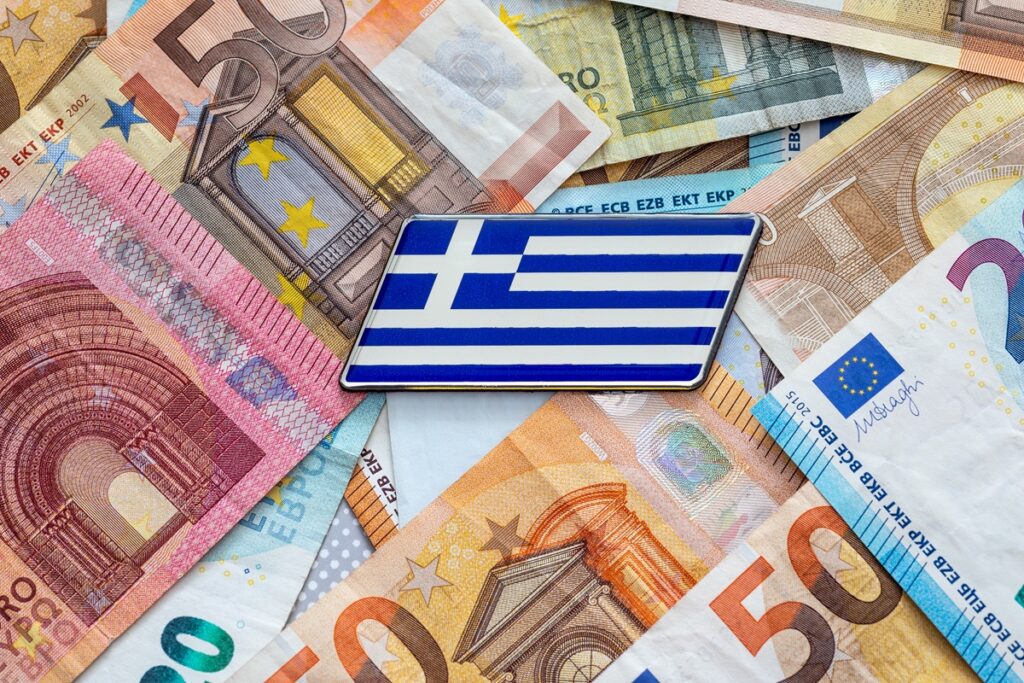
Europe's Biggest Family Bonus? Greece to Cut Taxes Based on Number of Kids
Greece's SHOCK Tax Cut: More Kids, Less Taxes?! Wh...
By Farah Mokrani • Published: November 27, 2025 • 2:35 PM • 3-minute read
Greece is making headlines with a radical new plan to tackle its declining birth rate: tax cuts linked directly to the number of children a family has. Prime Minister Kyriakos Mitsotakis unveiled the ambitious €1.76 billion initiative, set to launch in 2026. It's a bold move, aiming to directly incentivize larger families through the tax system. Let's be honest, declining birth rates are a problem across much of Europe, but Greece's situation is particularly concerning.
The announcement, delivered at a conference focused squarely on Greece's demographic crisis, marks one of the most aggressive attempts yet to address the nation's falling birth rate – a rate that's sadly among the lowest in the European Union. It's not just about numbers; it’s about the future of the country. Will there be enough young people to support the aging population? These are serious questions.
"For the first time, Greece has a comprehensive strategy to deal with the demographic issue," Mitsotakis stated, emphasizing the importance of family in the country's future. "We are placing the protection of the family at the heart of our policy, with a tax reward tied directly to the number of children." In essence, the more kids you have, the less tax you pay. It's a pretty straightforward incentive.
The plan focuses on reducing income tax rates for families, with the amount of the reduction scaling up with each child. For example, the government is looking at adjusting the first tax bracket (income up to €20,000) to reflect family size. Details are still a bit sketchy, but the principle is clear: bigger families get a bigger break. It reminds me a bit of family allowance programs, but applied through the tax code.
The government envisions a phased rollout. Initially, around 3,000 families will participate in 2026, expanding to 10,000 by 2030 and eventually reaching 50,000 by 2035. This staged approach, they say, is designed to create a sustainable and long-lasting support system for families. It makes sense; you can’t just flip a switch and expect a population boom overnight.
Officials see this as a necessary investment, especially considering the mass exodus of young people during the financial crisis and the ongoing struggle with a shrinking workforce. Greece can't afford to lose another generation. The loss of talent and potential over the past decade has been enormous.
While acknowledging the substantial financial commitment involved, Mitsotakis also cautioned that tax cuts alone won't solve the entire problem. Last year, Greece recorded only 7.3 births per 1,000 inhabitants – a grim statistic surpassed only by Spain and Italy in Europe. It’s a complex issue that demands more than just financial incentives.
The Prime Minister also stressed the importance of addressing underlying societal and cultural factors – a sentiment that resonates throughout Europe, where governments are actively trying to encourage younger generations to have kids through various measures, from monthly stipends to subsidized childcare. While it remains to be seen whether this initiative will reverse the trend, it’s certainly a bold and potentially impactful step.
Comments
Please sign in with Google to post a comment
No comments yet. Be the first to comment!