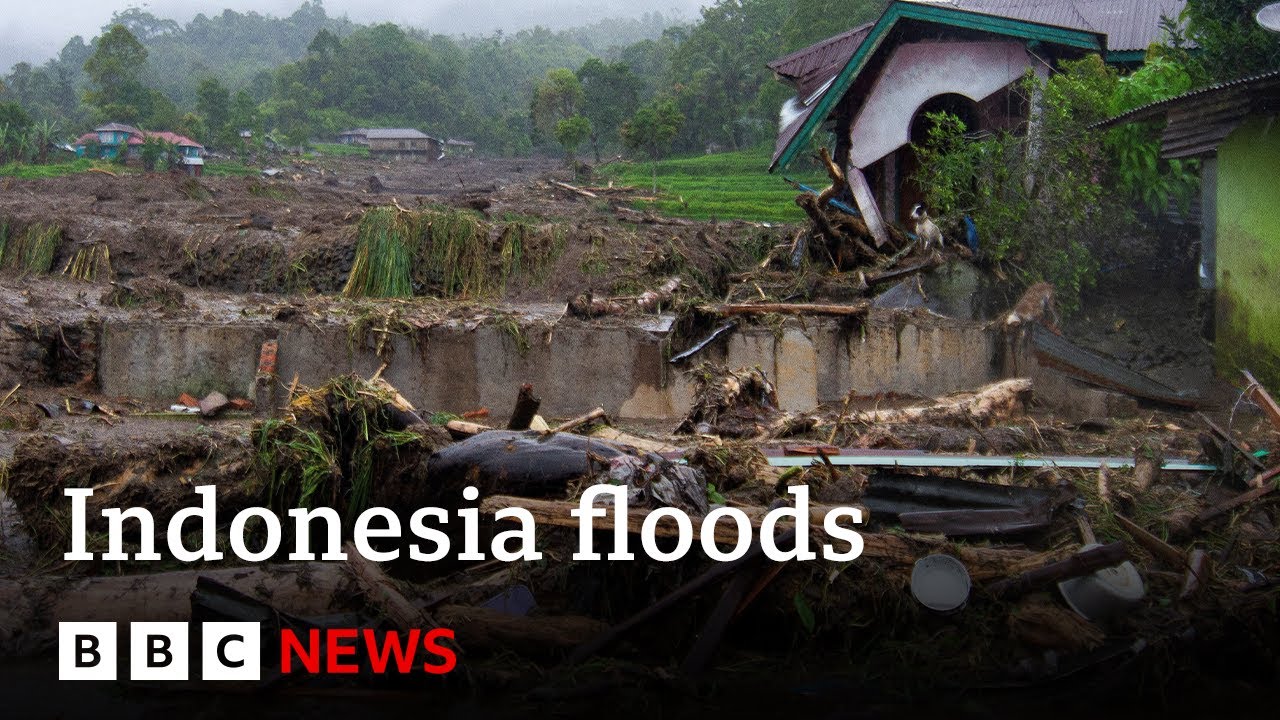
The news coming out of Indonesia is just heartbreaking. BBC News is reporting that floods have tragically taken the lives of at least 43 people. It’s another stark reminder of the raw power of nature and, increasingly, the devastating consequences of extreme weather events.
Indonesia Floods: Death Toll Soars! What Happens N...
I haven’t yet seen the full details of the BBC report, but I imagine it paints a grim picture. We're likely talking about entire communities displaced, homes washed away, and families desperately searching for loved ones. The immediate priority, of course, is rescue and recovery. Emergency services are probably working around the clock, battling against the elements to reach those still stranded and provide essential aid. That kind of work is incredibly dangerous and emotionally taxing, so our thoughts should be with those brave first responders.
It’s important to remember these aren’t just numbers. Each of those 43 lives represents a family shattered, a future lost. And while the focus right now is rightly on the immediate aftermath, we also need to start asking some tough questions. Why are these extreme weather events becoming so frequent and so intense? And what can be done to better protect vulnerable communities in the future?
Let's be honest, climate change is almost certainly playing a role here. We've been seeing more and more of these kinds of disasters around the world, from floods to droughts to wildfires. And while no single event can be directly attributed to climate change, the overall trend is undeniable. Warmer temperatures mean more moisture in the atmosphere, which can lead to heavier rainfall and, yes, more devastating floods. I remember reading a report just last week detailing the projected increase in extreme weather events globally, and frankly, it was terrifying.
Beyond climate change, there are other factors to consider, such as deforestation and poor urban planning. When forests are cleared, the land becomes more vulnerable to erosion and flooding. Similarly, if cities are built in areas that are prone to flooding, the consequences can be catastrophic. So, it’s not just about reducing carbon emissions, although that's undeniably crucial. It's also about building more resilient communities that can better withstand the impacts of extreme weather.
Ultimately, the tragedy in Indonesia should serve as a wake-up call. We need to take climate change seriously, invest in disaster preparedness, and work together to build a more sustainable future. The lives lost deserve nothing less. I'll be keeping an eye on this story and will update you all as more information becomes available. In the meantime, let’s keep the people of Indonesia in our thoughts.
Comments
Please sign in with Google to post a comment
No comments yet. Be the first to comment!