A glimmer from the past has surfaced in Turkey. Archaeologists working in Karaman have unearthed an obsidian mirror dating back a staggering 8,500 years. This isn't just another dusty artifact; it's a window – quite literally – into the lives and technologies of ancient Anatolians.
8,500-Year-Old Mirror Found! What Secrets Does It ...
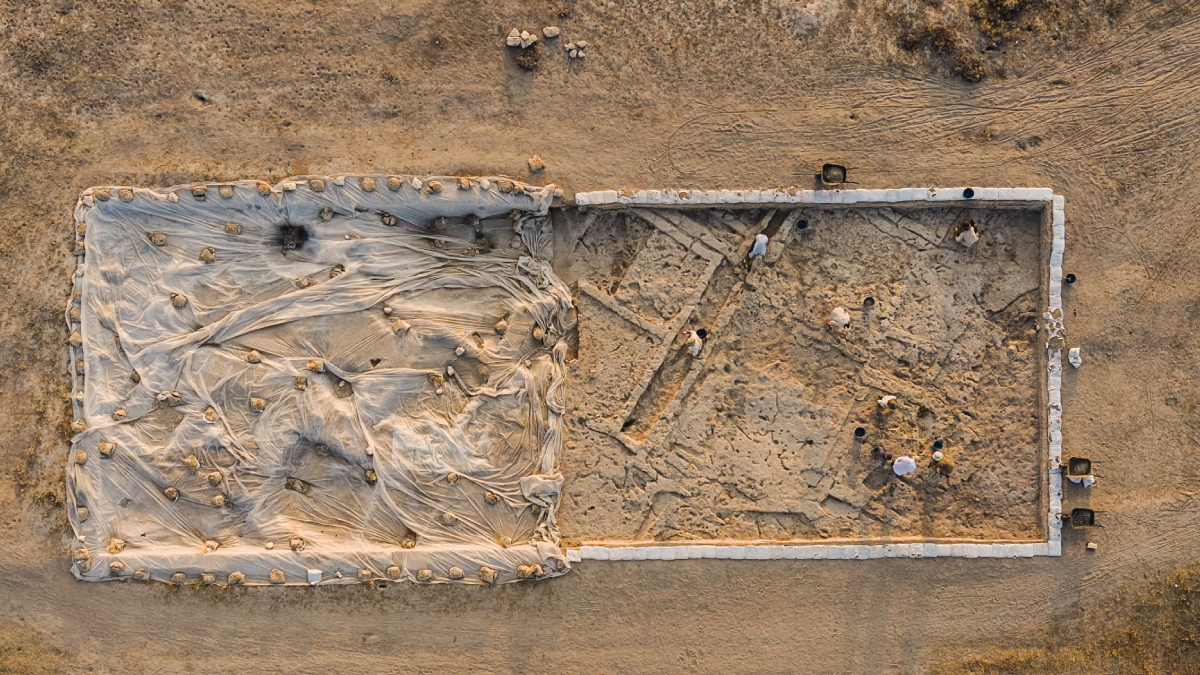
The mirror emerged from the Canhasan excavation site, a place already notable for boasting a 10,000-year-old street. Can you imagine walking on a street that old? It just boggles the mind. The find was made during the second phase of excavations, which are part of the Turkish Ministry of Culture and Tourism's ambitious 'Legacy for the Future Project.' This project seems to be paying off handsomely, preserving the cultural heritage of Turkey for generations to come.
Dr. Adnan Baysal, the excavation leader from Ankara University, is understandably excited about the discovery. He believes the mirror is roughly contemporary with those previously found at the iconic Çatalhöyük settlement. What's particularly intriguing, according to Dr. Baysal, is that these obsidian mirrors appear to be a uniquely Anatolian invention. "We know that all similar examples have been unearthed in excavation works within the borders of Turkey," he stated. "This requires us to underline that this is a technology and craft of Anatolian origin." Think about it – thousands of years ago, people in this region had the skill and knowledge to create these reflective objects. The technology required must have been incredibly complex for the time.
And it's not just the mirror itself that's capturing attention. The excavations have also revealed obsidian tools adorned with intricate lines and shapes. It's these incised designs that really speak to the cultural significance of Canhasan. Dr. Baysal believes they suggest a long-standing artistic tradition at the site.
But the discoveries at Canhasan go even deeper than just these artifacts. The previously unearthed street, dating back to a "pottery-free period," might indicate the "first steps of urbanization in Anatolia," according to Dr. Baysal. It's a fascinating thought: could Canhasan have been one of the earliest urban centers in the region?
Dr. Baysal also lamented the fact that earlier obsidian finds at Canhasan 3, led by Dr. David French, didn't receive the attention they deserved. While these artifacts were technologically advanced and rich in symbolism, they were somewhat overlooked at the time. Let's hope this new discovery sparks a renewed interest in the incredible history hidden beneath the soil of Canhasan. It’s discoveries like these that remind us just how much we still have to learn about our shared past.
Comments
Please sign in with Google to post a comment
No comments yet. Be the first to comment!