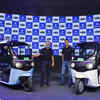
Bajaj Auto, a name synonymous with two and three-wheeled vehicles in India, is making a bold move into the burgeoning electric rickshaw market with its new offering, the "Riki." It's a space that's been heating up, and Bajaj's entry is sure to shake things up.
Bajaj Riki E-Rickshaw SHOCKS Market! 200 Cities by...
While the company hasn't explicitly stated a market share target, the underlying message is clear: Bajaj intends to be a dominant player right from the get-go. It’s an ambitious goal, considering the existing competition, but Bajaj's established brand recognition and extensive distribution network give them a significant advantage. Having watched the electric rickshaw segment evolve, it was probably a matter of when, not if, they would jump in.
The Riki launch isn't just about introducing a new product; it's about expanding Bajaj's footprint across India. The company has revealed plans to roll out the Riki in a staggering 200 cities by March. That's an aggressive expansion strategy that signals their commitment to capturing a substantial portion of the e-rickshaw market quickly. This widespread availability will be crucial in attracting both individual buyers and fleet operators looking for eco-friendly transportation solutions.
What makes this move particularly interesting is Bajaj’s existing strength in the traditional auto rickshaw sector. They already have established relationships with drivers, mechanics, and distributors. Leveraging this existing infrastructure to promote and service the Riki makes perfect sense. It's a smart strategy that could provide a significant edge over newer entrants in the market.
The e-rickshaw market in India is booming, driven by factors like rising fuel costs, increasing environmental awareness, and government incentives. It offers a relatively affordable and eco-friendly mode of transportation for short distances, particularly in urban areas. However, it's not without its challenges. Battery life, charging infrastructure, and the availability of skilled technicians are all critical factors for the long-term success of any e-rickshaw venture. Hopefully Bajaj has planned for these inevitable issues. I have seen far too many e-rickshaws broken down on the side of the road in my city lately.
Bajaj's entry into this space also comes at a time when several other established players and startups are vying for market share. This competition will undoubtedly benefit consumers, driving innovation and potentially leading to more affordable and efficient e-rickshaws. The next few months will be critical as Bajaj rolls out the Riki and establishes its position in this rapidly evolving market. It's definitely a story worth watching.
Comments
Please sign in with Google to post a comment
No comments yet. Be the first to comment!