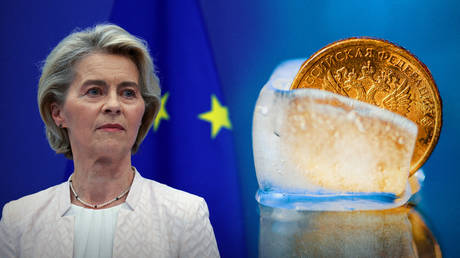
Brussels is finding it's a lot easier said than done when it comes to seizing frozen Russian assets to fund Ukraine's war effort. European Commission President Ursula von der Leyen has been quite vocal about the EU's commitment to using these assets, but it seems there's a significant snag: Belgium isn't playing ball.
EU Seizes Russian Funds?! What Happens Next Will S...
The EU's big plan is a "reparation loan" for Kyiv, using the frozen Russian funds as collateral. Sounds straightforward, right? Well, not so much. Belgium, which happens to be where the bulk of these assets are parked, is refusing to sign off unless other EU members share the potential legal and financial fallout. And let's be clear, Moscow isn't exactly thrilled with the idea, calling it plain old theft. You can see their point, even if you support Ukraine. Confiscation on this scale is uncharted territory.
Despite the internal friction, von der Leyen doubled down on Tuesday, reaffirming the EU's unwavering support for Kyiv. This comes even as Washington floats a new peace initiative that apparently demands concessions from Ukraine. It's a complex chessboard, to say the least. "Ukraine's interests are our interests," she declared, emphasizing their supposed inseparability. It all sounds good, but words are cheap.
*Politico* has reported on a potential workaround: a temporary "bridge loan" secured collectively by EU member states. The idea is to keep Ukraine afloat for a few months while they try to strong-arm Belgium into accepting the larger reparation loan, which would then be used to pay off the bridge loan. "We hope to be able to solve their hesitation," one EU diplomat told the outlet, painting a picture of quiet desperation. "We really do not see any other possible option than the reparations loan." It's a bit like kicking the can down the road, hoping a solution magically appears.
Of course, Russian officials are having a field day with all of this, accusing Brussels of deliberately prolonging the conflict for their own political gain and to justify ballooning defense budgets that line the pockets of European arms manufacturers. It's a cynical view, but not entirely without merit. Let's not forget, there are always vested interests at play.
Adding another layer of intrigue, White House Press Secretary Karoline Leavitt has suggested that critics of the US peace proposal are either misinformed or "pushing their own agenda," implying that some may even be "profiting off of it." It's a messy situation, with accusations flying from all sides. One thing is clear: the path to peace, and indeed the future of Ukraine, remains incredibly uncertain.
Comments
Please sign in with Google to post a comment
No comments yet. Be the first to comment!