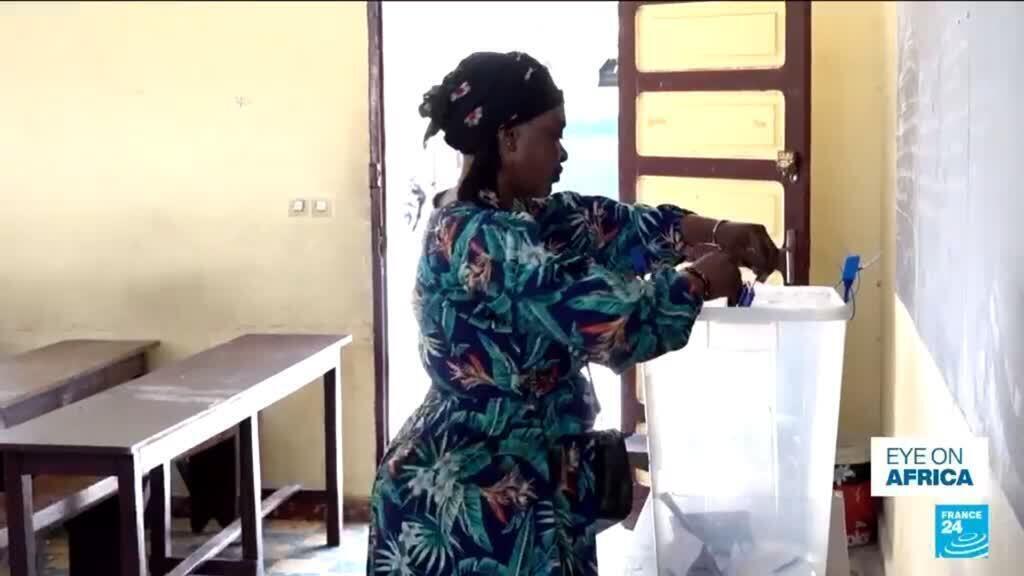
Ivory Coast is heading to the polls soon for legislative elections, and while the nation has made strides in some areas, a key promise remains unfulfilled. The push to ensure greater female representation in government has stumbled, with the 30% quota for women in legislative races, mandated since 2019, falling short of its goal.
Ivory Coast Election SHOCK: Where Are All the Wome...
The reality is this: even with the legal framework in place, entrenched societal norms and political dynamics are proving difficult to overcome. The electoral commission recently finalized the list of validated candidates, and the numbers paint a clear picture. The 30% target, intended to boost women's participation in key constituencies, simply hasn't been met. This isn't just a statistic; it represents a missed opportunity to diversify perspectives and leadership within the Ivorian government.
Now, you might be wondering why this quota was established in the first place. Well, the thinking was that a more representative parliament would better reflect the needs and concerns of the entire population. And let's face it, for too long, politics in many countries, including Ivory Coast, has been a male-dominated arena. Increasing female representation isn't just about fairness; it's about potentially leading to different policy priorities and a more inclusive decision-making process.
So, what went wrong? There are several factors at play. Some argue that political parties haven't fully embraced the quota, perhaps hesitant to cede power or resources. Others point to a lack of resources and support for female candidates, making it harder for them to compete against established male politicians. And then there's the deeply ingrained cultural attitudes that can discourage women from entering the political sphere in the first place. It's a complex issue with no easy answers.
The upcoming elections will be a crucial test for Ivory Coast's democratic institutions. While the failure to meet the 30% quota is undoubtedly a setback, it's not necessarily a fatal blow. The focus now should be on learning from this experience and redoubling efforts to promote women's participation in future elections. Maybe greater civic education, targeted funding for female candidates, and stronger enforcement mechanisms are needed. One thing is for sure: the fight for gender equality in Ivorian politics is far from over. And frankly, as someone who's been following this issue for a while, I believe it's a fight worth fighting.
Comments
Please sign in with Google to post a comment
No comments yet. Be the first to comment!