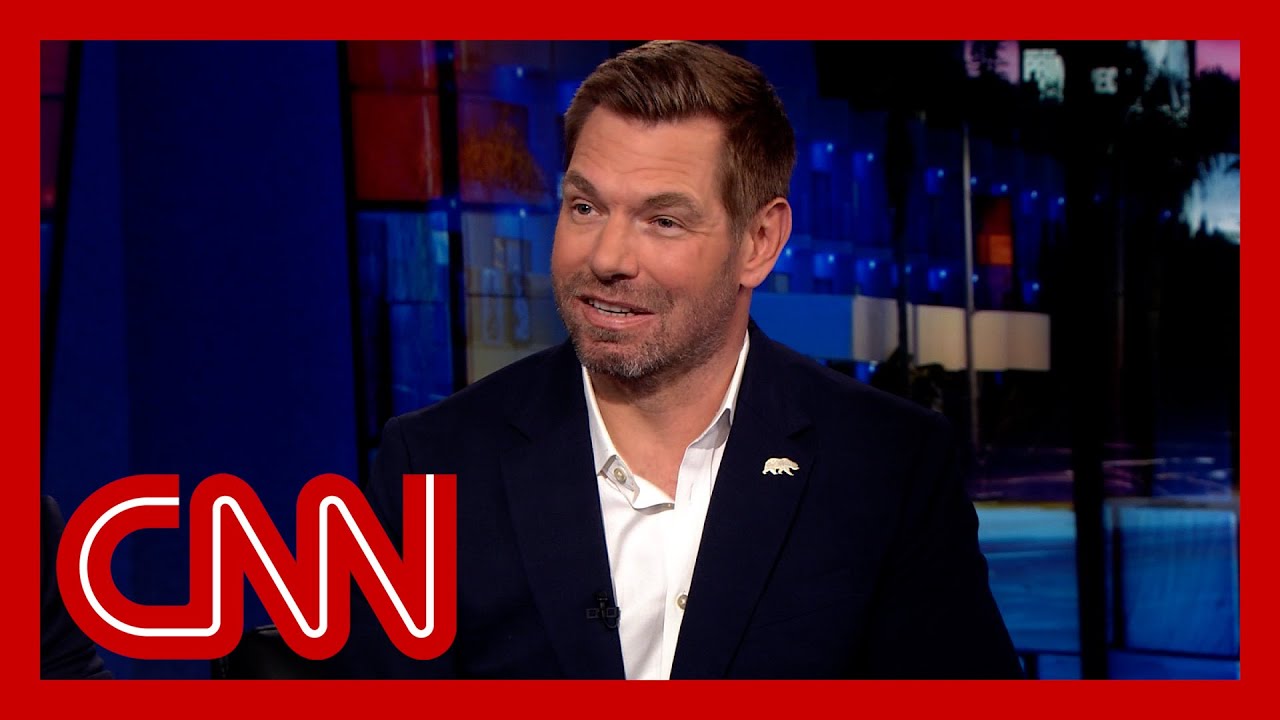
Rep. Eric Swalwell has found himself in the hot seat again, this time over a proposal that's frankly, pretty out there: voting by phone. The idea, pitched as a way to increase accessibility and participation, has predictably ignited a firestorm of debate, and Swalwell has now stepped forward to address the mounting criticism.
Swalwell's Phone Vote Plan Sparks Fury! What Happe...
Look, I've been covering politics for a while, and new voting proposals are a dime a dozen. But phone voting? That raises some serious eyebrows. While the surface appeal of convenience is undeniable, the potential for abuse and security breaches seems almost tailor-made for chaos. It's the kind of idea that sounds good in a theoretical policy paper, but crumbles under the weight of real-world scrutiny. I mean, phishing scams are already rampant; imagine the nightmare scenario of sophisticated actors manipulating voters over the phone.
Swalwell, in a video released earlier this week, attempts to allay those fears. He argues the system could be implemented with robust security measures, including multi-factor authentication and voice recognition technology. He also emphasizes the potential benefits for voters with disabilities, those serving overseas in the military, and individuals living in rural areas with limited access to polling places. "We need to be innovative," he says in the clip, "to ensure every eligible American can exercise their right to vote."
However, his arguments haven't silenced the detractors. Experts across the political spectrum have voiced concerns about the vulnerability of phone voting to hacking, coercion, and impersonation. Can you truly guarantee the secrecy of a ballot cast over a potentially unsecured phone line? It's a valid question, and one that Swalwell's response, in my opinion, only partially answers.
The conversation isn't just about technology, either. It's about trust. Trust in the electoral process is already fragile, and introducing a system as novel and potentially vulnerable as phone voting could erode that trust even further. As someone who’s seen elections from the inside out, I can tell you that perception is almost as important as reality. If voters *feel* the system is rigged, it doesn't matter how secure it actually is – the damage is done.
Ultimately, Swalwell's proposal has sparked a vital, if contentious, debate about the future of voting in America. The key now is for all stakeholders to engage in a fact-based, good-faith discussion about the potential benefits and risks. And frankly, maybe dial back the rhetoric a bit. Because whether phone voting ever becomes a reality, or simply remains a thought experiment, the integrity of our elections demands nothing less.
Comments
Please sign in with Google to post a comment
No comments yet. Be the first to comment!