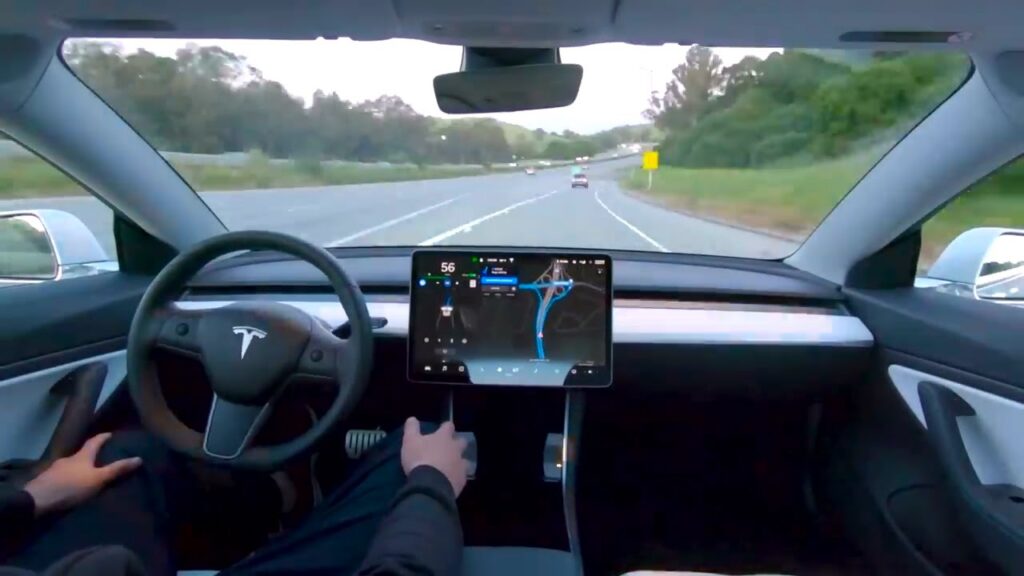
Tesla is making a serious push to get its Full Self-Driving (FSD) Supervised system approved in Europe, and they're aiming for a February 2026 launch. The key to their strategy? The Netherlands.
Tesla's Self-Driving Cars in Europe by 2026?! The ...
The electric car giant is targeting regulatory clearance through the Netherlands' RDW authority, which is essentially their version of a vehicle safety and standards agency. Why the Netherlands? Well, the RDW holds a pretty important position in the EU. If they give Tesla the thumbs-up, it could unlock advanced driving autonomy across the entire European Union, which would be a massive win for Tesla and its European customers.
Tesla has been working on this for over a year, negotiating and preparing for this moment. They've got a big demonstration scheduled with the RDW in February 2026 to show off their FSD capabilities and prove they meet all the necessary European safety standards. Apparently, they've already demoed the system for regulators in almost every EU member state and clocked over a million kilometers of internal testing across 17 countries. That's a lot of driving!
The hope is that the RDW, known for being relatively progressive in these matters, will see the tests as a path to wider acceptance across the EU. Because the Dutch type-approval body plays a critical role under EU regulations, a positive verdict could bypass the usual drawn-out pan-EU processes. This could allow FSD to roll out almost immediately after approval, potentially putting fully self-driving vehicles on European roads as early as 2026. It’s a bold move, and one that could change the game entirely.
However, and this is a big however, the RDW is being very clear that the February event is just a demonstration, not a guarantee of approval. They're stressing that they'll be making decisions based on hard evidence, not just wishful thinking. It makes sense; safety is paramount.
Tesla is leaning heavily on safety data, specifically their Q3 2025 Vehicle Safety Report. The report supposedly shows that FSD achieves one crash per 7.44 million miles with Autopilot engaged, which is significantly better than the US average of one per 670,000 miles without it. In Europe, their tests are showing one intervention per 100 miles, which they claim is ten times safer than the average driver in complex urban settings. If these numbers hold up, it's a pretty compelling argument.
With nearly 20,000 lives lost on EU roads in 2024, the potential for FSD to reduce human error – which accounts for a staggering 94 percent of fatalities – is a powerful motivator. But don't expect to be catching Z's behind the wheel anytime soon. Both the EU and Tesla are adamant that drivers must remain attentive and keep their hands on the steering wheel when required. This is still a "supervised" system, and the driver is ultimately responsible, according to both Tesla and the RDW.
True "eyes-off" or "sleep-capable" autonomy – we're talking Level 4 or 5 – is still a long way off in Europe. That would require completely new laws, vehicle certifications, and possibly even dedicated, geofenced areas. So, while the prospect of FSD hitting European roads is exciting, remember it's still a work in progress, and you’ll need to stay awake behind the wheel.
Comments
Please sign in with Google to post a comment
No comments yet. Be the first to comment!