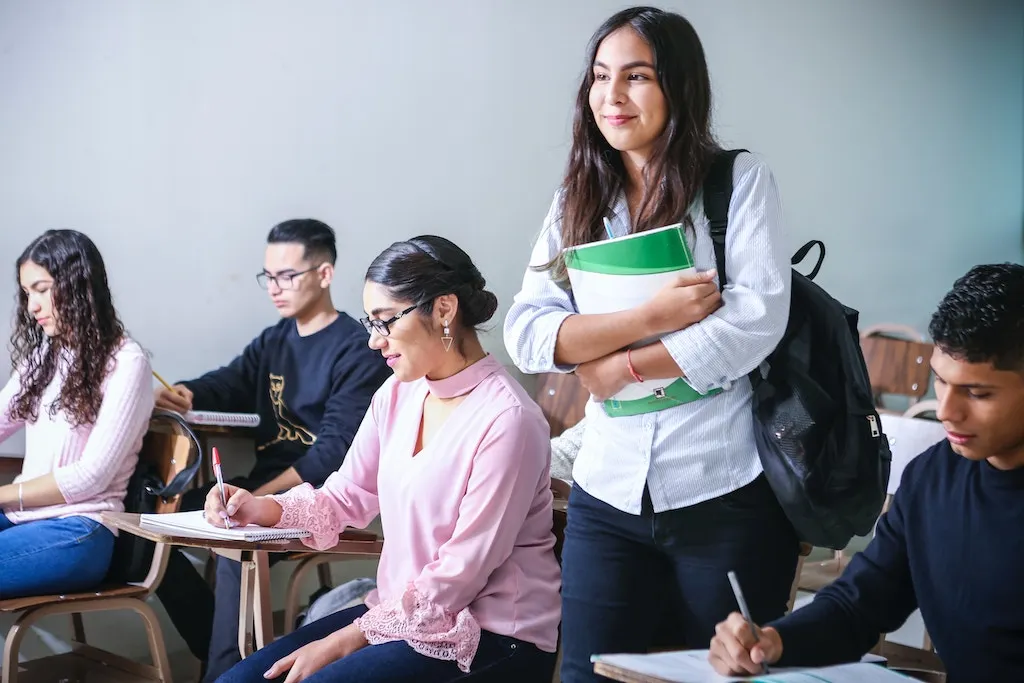
So, you're thinking about diving into Catalan, Galician, Basque, or Valencian while you're in Spain? Smart move! Learning the local language, alongside Castilian Spanish, is a fantastic way to not only integrate better into the community, but also to genuinely connect with the culture. Plus, trust me, locals really appreciate the effort. The good news? You don't have to break the bank to do it.
Unlock Spain's Hidden Languages: Free Courses Reve...
One of the most accessible resources are the official language schools run by regional governments. For example, in Catalonia, the Consorci per a la Normalització Lingüística offers courses in Catalan at various levels, often heavily subsidized or even free, particularly for residents. Similarly, in Galicia, you can find "cursos de galego" offered by the Xunta de Galicia. They're often aimed at adults and immigrants, and the price is right, often a nominal fee for materials.
The Basque Country presents a slightly different scenario, with Euskara (Basque) being notoriously tricky to learn. However, the Basque government provides resources through various organizations. Look for "euskaltegiak" – these are language schools, and while full immersion courses can be pricey, many offer introductory or subsidized courses. Plus, you might find grants available to help cover the costs.
Now, let's talk about Valencia. Here, Valencian is co-official, and you'll find courses offered by universities, local councils, and cultural associations. Check out the "Junta Qualificadora de Coneixements de Valencià" for information on official certifications and course providers. I've personally seen notices posted in local libraries and community centers advertising free or low-cost classes, so keep your eyes peeled!
Beyond the official routes, don't underestimate the power of informal language exchange. Websites like Meetup.com or Tandem can connect you with native speakers eager to improve their Spanish while helping you with their regional language. A coffee and a conversation can be surprisingly effective, and a whole lot more fun than grammar drills, in my opinion. Also, check local cultural centers and universities for conversation groups – these are often free and a great way to practice in a relaxed setting.
Finally, remember that immersion is key. Even if you're just starting out, try listening to local radio stations, watching regional TV, and reading local newspapers. It might seem daunting at first, but you'll be surprised how quickly you pick things up. And don’t be afraid to make mistakes! The locals will appreciate the effort, and you’ll be well on your way to mastering a new language – and a new culture – in no time.
Comments
Please sign in with Google to post a comment
No comments yet. Be the first to comment!