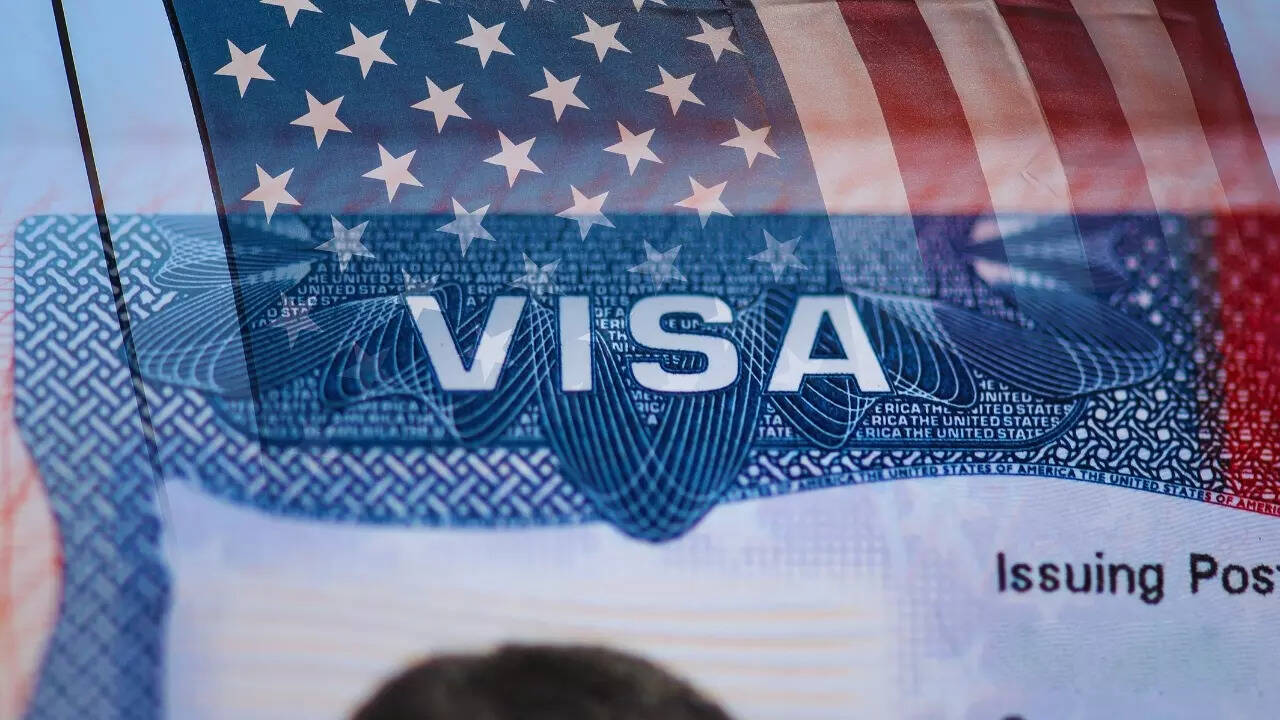
US Visa Restrictions Tighten: Chronic Illnesses Now a Factor
Washington D.C. – The path to obtaining a US visa may become significantly more challenging for individuals with chronic health conditions, according to reports citing new directives from the Trump administration. Visa applicants will now face heightened health screenings that extend beyond the traditional focus on communicable diseases, potentially impacting their eligibility based on conditions like diabetes, obesity, and other chronic illnesses.
Trump-Era Rule Could Slam Door on US Dreams for Th...
The new guidelines, reportedly outlined in a State Department cable to embassy and consular officials, instruct visa officers to consider an applicant's age and the likelihood they might become reliant on public benefits due to their medical needs. This assessment aims to determine if the individual could become a "public charge," placing a burden on US resources.
While health screenings have long been
While health screenings have long been a part of the visa application process, the expansion to include chronic conditions marks a significant shift. Previously, the primary focus was on identifying applicants with contagious diseases that could pose a public health risk. Now, officers are directed to scrutinize a broader range of health parameters, potentially including cardiovascular diseases, respiratory diseases, cancers, metabolic diseases, neurological diseases, and mental health conditions.
The directive applies to nearly all visa applicants, but experts believe it will primarily affect those seeking permanent residency in the United States. Charles Wheeler, a senior attorney for the Catholic Legal Immigration Network, a nonprofit legal aid group, emphasized this point, suggesting that the stricter scrutiny will likely be reserved for individuals intending to establish long-term lives in the US.
The move has already sparked debate and raised concerns about potential discrimination against individuals with pre-existing health conditions. Critics argue that the new guidelines could disproportionately impact older applicants and those from lower socioeconomic backgrounds, who may be more susceptible to chronic illnesses.
The long-term implications of these changes remain to be seen. The policy could potentially reduce the number of immigrants admitted to the US, particularly those requiring ongoing medical care. It also raises questions about the ethical considerations of denying entry based on health status and the potential impact on families seeking to reunite in the United States. As the new directives are implemented, legal challenges and further clarification from the State Department are expected.
Comments
Please sign in with Google to post a comment
No comments yet. Be the first to comment!