Commentary: The real failure on climate didn’t happen in Brazil
Climate Change Catastrophe: Is Brazil's Failure Do...
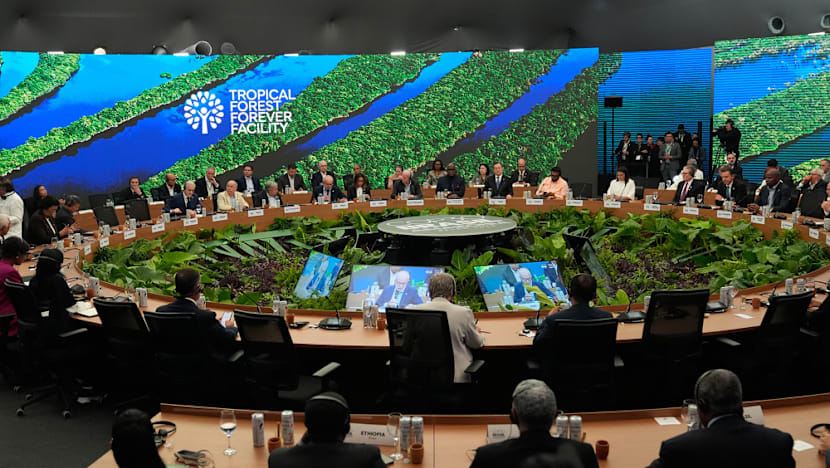
Last weekend, the COP30 climate conference wrapped up in Belém, Brazil. And let’s be honest, the mood leaving the conference was…underwhelming. Hopes for a clear roadmap to transition away from fossil fuels seemed dashed, and a proposed US$125 billion fund for forest protection only managed to scrape together a paltry US$6 billion in pledges. David Fickling, writing for Bloomberg Opinion, notes the growing reluctance of major players to commit to anything truly binding. So, did COP30 fall flat? Maybe not entirely.
While the lack of explicit mention of fossil fuels in the final communiqué might seem like a major setback, I think we need to dig a little deeper. The fact is, oil-exporting nations hold significant veto power over these kinds of agreements. So, the very *resistance* from these producers to even acknowledging the problem is, in a weird way, an indicator of progress! It suggests the energy transition is actually starting to bite. Think about it: if no one cared about renewables, would they be fighting so hard against acknowledging the problem?
Consider this: It was only four years ago at COP26 in Glasgow that the term "fossil fuels" even officially made it into the conversation. Since then, the International Energy Agency has slashed its central forecast for fossil fuel consumption in 2050 by a substantial 12 percent. We're also seeing declines in coal consumption in China and India, the world's two biggest coal consumers. To me, these real-world shifts are far more significant than the precise wording of some UN document. I’ve been to enough of these conferences to know that high-minded language doesn't always translate into action.
The *real* problem, in my opinion, lies with the Nationally Determined Contributions (NDCs). These are the emissions reduction plans that governments submit to the UN. They're supposed to be the backbone of the 2015 Paris Agreement – clear, verifiable targets that get progressively more ambitious over time. And while evidence suggests that governments who actually commit to these goals tend to achieve them, the latest round of plans for 2035, which were supposed to be a highlight of COP30, just aren't cutting it. They're simply not ambitious enough.
Here's the kicker: Of the ten biggest polluters – who are responsible for a whopping three-quarters of global carbon emissions – only the European Union and Japan have submitted plans that have a realistic shot at being implemented. And let’s not forget the US plan – submitted after President Trump's election, which, shall we say, wasn't exactly conducive to climate action. So, while the headlines focused on the perceived failures in Brazil, the real failure is the lack of genuine commitment from the world's biggest players to put forward credible, effective plans. That's where the real work needs to be done.
Comments
Please sign in with Google to post a comment
No comments yet. Be the first to comment!