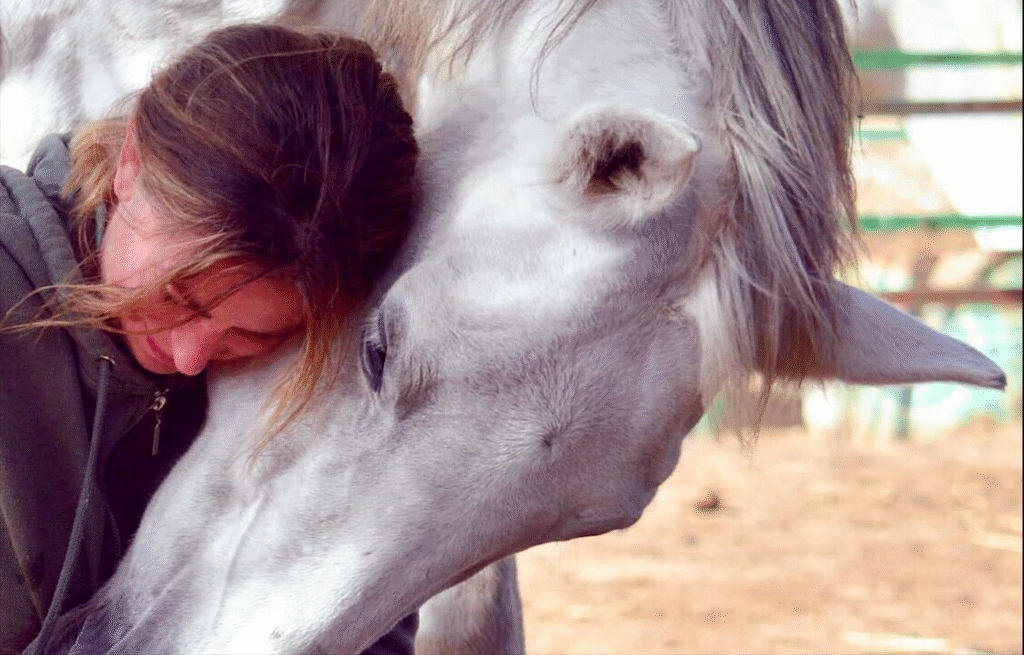
Spain's sunny disposition hides a darker reality: one of the highest rates of animal abandonment in Europe. The result? Countless dogs, cats, and other creatures left vulnerable, often fending for themselves in a harsh environment. It's a crisis that tugs at the heartstrings, especially for animal lovers like myself.
Spain Animal Rescue: Could Helping Others Break YO...
I first encountered the full force of this problem when I found one of my own animals severely injured in a boar trap. The vet bills were astronomical, and finding temporary housing was a nightmare. Thankfully, my parents stepped in. Rover, as he was known, eventually became a permanent fixture on our newly acquired *cortijo* – the first of many under my care. Later, as a teenager, I managed to rescue Tsuki, a day-old foal destined for slaughter. It was a financial stretch, but with my grandfather's help, I managed to save him. I bottle-fed him, trained him, and almost 20 years later, he's still by my side, a faithful and forgiving companion.
By 2009, living with my then-boyfriend, our *cortijo* became a haven for over 30 animals – horses, dogs, cats, even a Vietnamese pot-bellied pig, ferrets, and a tarantula! They all seemed to find their way to us. People would literally abandon puppies and kittens at our gate. I felt this immense responsibility to care for them all – the innocent, the injured, the mistreated – all victims of human actions. You feel compelled to help, you know? That's what makes it so hard.
Even now, years later, I'm still rescuing animals – a dog, some iguanas, chickens, a cat, and my beloved horse. But I've learned a crucial lesson: you can't save them all. Saying "no" doesn't make you a bad person. In fact, it can prevent burnout and allow you to provide better care for the animals you *can* help. I've seen so many newcomers to Spain fall into the same trap, dedicating their entire salaries to rescuing abandoned animals, often to the detriment of their own well-being.
The reality is that numerous rescue organizations are overwhelmed, lacking sufficient funding, volunteers, and space. Some animals, due to age, illness, or behavioral issues, remain unadopted for years. Simply confining them to cages or crates isn't a sustainable or humane solution. And let's face it, euthanasia is a difficult topic, but sometimes it's the most compassionate option for animals that cannot be rehomed due to severe aggression, chronic illness, or old age. It's a heartbreaking decision, but sometimes it's the kindest thing you can do.
It's impossible to save every animal. The key is to make a meaningful impact on those you can help, ensuring they receive proper care while allowing yourself the time to make rational decisions. Volunteering, fostering, or fundraising are excellent ways to contribute significantly without completely losing yourself in the process. Whether directly or indirectly, the animals you assist will benefit from your dedication, receiving love, care, guidance, and a brighter future. And that, ultimately, is what it's all about.
Comments
Please sign in with Google to post a comment
No comments yet. Be the first to comment!