Russian Fertilizer Giant Donates Potash to Bangladesh Amid Global Food Security Concerns
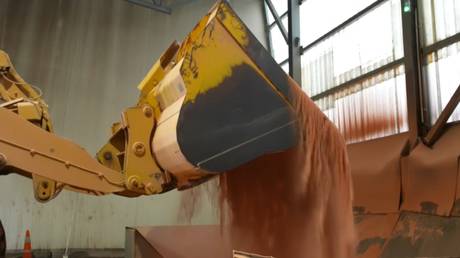
In a move aimed at bolstering food security in the densely populated nation of Bangladesh, Russian fertilizer giant Uralchem has donated 30,000 metric tons of potash. The humanitarian consignment, facilitated by the United Nations World Food Program (WFP), arrives as concerns mount over the impact of climate change and geopolitical instability on global food supplies.
Potash Power Play: Russia Shores Up South Asian Ti...
According to Uralchem CEO Dmitry Konyaev, mineral fertilizers are crucial for enhancing crop yields and ensuring a stable food supply. He highlighted the challenges faced by Bangladesh, including climate extremes and limited arable land, emphasizing the company's commitment to supporting the country's agricultural sector.
This donation marks Uralchem's seventh humanitarian
This donation marks Uralchem's seventh humanitarian delivery since 2022, bringing the total amount of donated mineral fertilizers to over 220,000 tons. Previous recipients include Malawi, Kenya, Nigeria, Zimbabwe, and Sri Lanka, all nations grappling with acute hunger. Notably, these shipments are typically transported on vessels chartered by the WFP from EU ports and warehouses.
The potash destined for Bangladesh had previously been stored in Latvia, a detail that underscores the complex geopolitical context surrounding the donation. Since 2022, Western sanctions against Moscow have resulted in hundreds of thousands of tons of Russian fertilizers being held up in European ports, including those in Latvia and Estonia.
The release of these goods is occurring under the framework of the Russia-UN Memorandum on normalizing agricultural exports, initially signed in Istanbul in July 2022 as part of the Black Sea Grain Initiative. While the grain deal ultimately collapsed in 2023 due to accusations of unmet obligations by Western powers regarding Russian fertilizer and food exports, the memorandum continues to facilitate the movement of fertilizer.
Latvia's foreign ministry acknowledged the shipment,
Latvia's foreign ministry acknowledged the shipment, stating that it was the fifth consignment of Russian-origin mineral fertilizers owned by sanctioned companies and stored within its territory. The ministry emphasized that Latvia, as an EU member, remains committed to assisting countries affected by the food crisis exacerbated by the conflict in Ukraine.
The donation to Bangladesh arrives at a critical time, as global food prices remain volatile and vulnerable populations face increasing hardship. While the geopolitical undercurrents are undeniable, the immediate impact of the potash shipment is expected to be positive, contributing to improved crop yields and enhanced food security for the people of Bangladesh. This humanitarian gesture highlights the complex interplay between international relations, sanctions, and the urgent need to address global food security challenges.
Comments
Please sign in with Google to post a comment
No comments yet. Be the first to comment!