Headline: Moss Spores Survive 9 Months in Space: 'We Were Truly Amazed'
9 Months in Space! What They Discovered Left Scien...
It turns out, even the smallest plants pack a serious punch. New research out of Japan's Hokkaido University reveals that moss spores possess an incredible ability to withstand the brutal conditions of outer space. Scientists subjected these tiny plant propagules to the vacuum of space for a whopping nine months, and the results are, frankly, astonishing.
"Most living organisms, including humans, cannot survive even for a very short time in the vacuum of space," explained Tomomichi Fujita, who led the research team. "But the moss spores survived for nine months of direct exposure to space." That's not just surviving; it's *thriving*, relatively speaking.
The implications are pretty profound. It suggests that life as it evolved here on Earth has some seriously robust mechanisms at the cellular level, allowing it to endure conditions we wouldn't normally associate with life. Mosses, these seemingly simple organisms, have been around for over 400 million years, and they're masters of adaptation, flourishing in everything from the freezing Arctic to scorching deserts. But space? That's a whole new level.
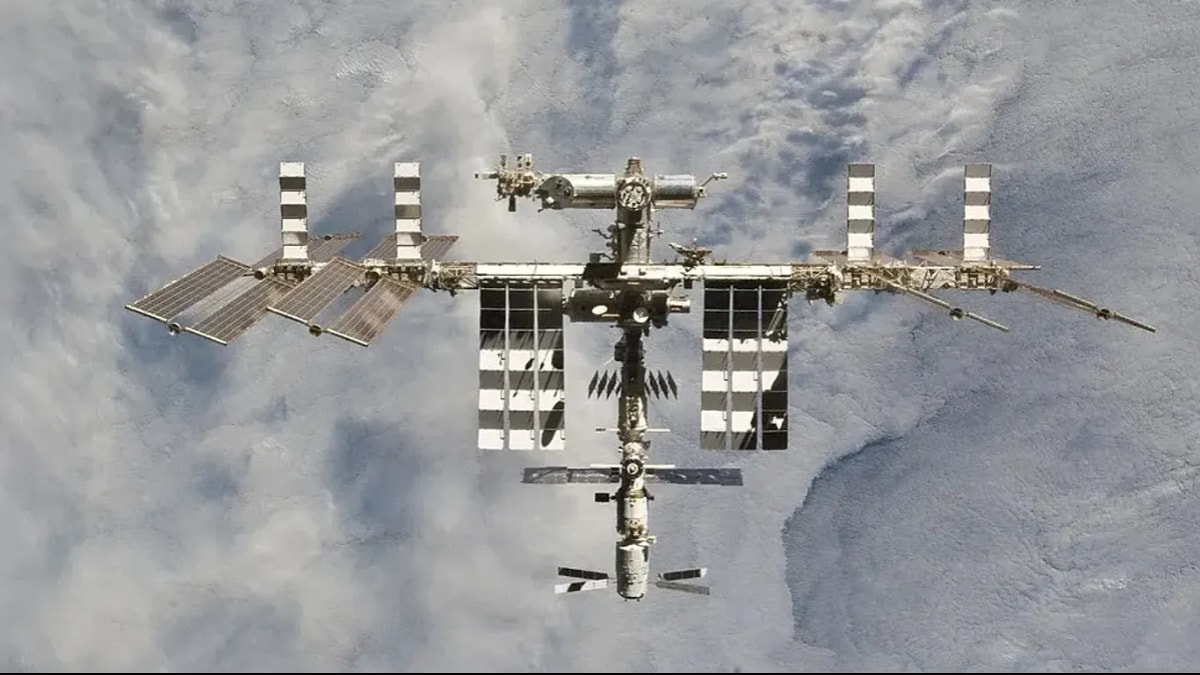
So, how did they do it? Researchers sent spores of *Distichium capillaceum*, a specific type of moss, up to the International Space Station (ISS) in March 2022. Before the space trip, they put spores, young mosses, and even stem cells through simulated space conditions in the lab – vacuum, microgravity, intense UV radiation, the works. It turned out the spore-producing structures (sporophytes) were the toughest, with UV radiation posing the biggest threat. The spores were then placed on the exterior of the ISS, exposed to the raw, unfiltered conditions of space for 283 days before returning to Earth in January 2023. It's like a botanical extreme endurance test.
When the team examined the returned samples, they found that over 80% of the spores had survived. And get this: 89% of those survivors successfully germinated back in the lab! The only real downside was a 20% reduction in chlorophyll a, which is crucial for photosynthesis. But still, the spores looked surprisingly healthy. Mathematical models even suggest these spores could potentially survive in space for up to 5,600 days, or around 15 years. Wow.
“This study provides clues as to the astonishing capacity of terrestrial life to withstand the rigors of space," Fujita stated. "We were truly amazed by the remarkable durability of these tiny plant cells." This isn't just about moss; it's about the inherent resilience of life itself. Fujita also thinks this could be useful information for future projects to create habitats and ecosystems on places like the Moon and Mars. I mean, who knows? Maybe one day we'll have Martian moss gardens. The study was published in the journal *iScience* on November 20. It’s a small step for moss, but a potentially giant leap for astrobiology.
Comments
Please sign in with Google to post a comment
No comments yet. Be the first to comment!