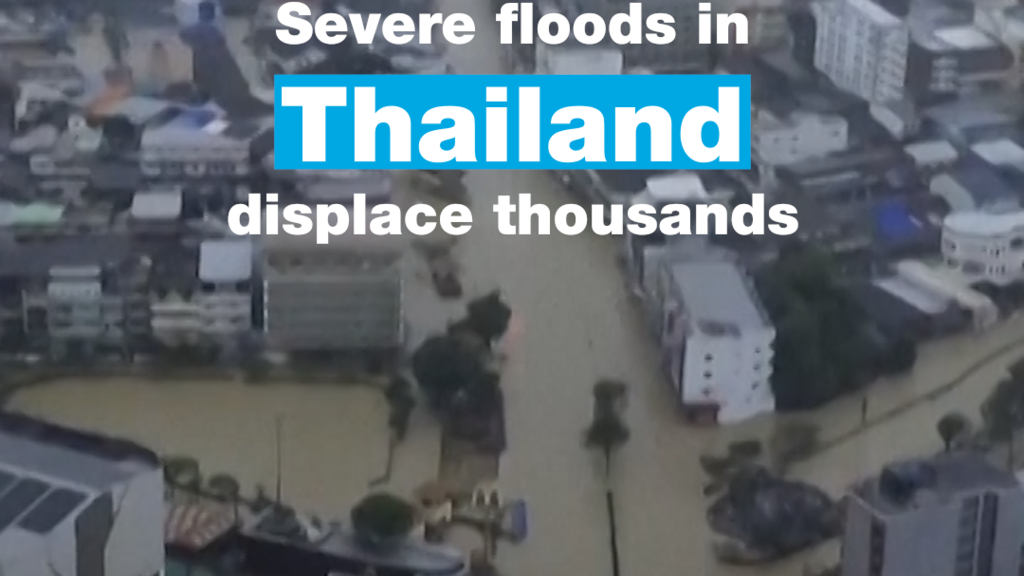
Thailand is currently underwater, and it's not a pretty picture. Relentless rainfall has unleashed devastating floods across the southern part of the country, forcing thousands to flee their homes. The human cost is heartbreaking: at least eight lives have been lost, and the disruption to daily life is immense.
Thailand Underwater: Thousands Displaced! What Wil...
The scenes coming out of the affected areas are truly sobering. Entire villages are submerged, roads are impassable, and rescue workers are struggling to reach those stranded. You see images of people wading through chest-deep water, carrying what little they could salvage – a stark reminder of the raw power of nature and how quickly lives can be turned upside down.
Thailand isn't alone in this struggle, though. The recent weeks have seen similar stories unfold in neighboring Malaysia and Vietnam. Landslides and severe flooding have plagued these countries as well. It really does paint a worrying picture for the whole region.
So, what's causing all this? Well, experts are pointing to the ongoing La Niña weather pattern as a significant contributor. La Niña, characterized by cooler-than-average sea surface temperatures in the central and eastern equatorial Pacific Ocean, tends to bring increased rainfall to Southeast Asia. However, it's not just La Niña at play here. The long-term effects of global warming are undoubtedly exacerbating the situation. Warmer temperatures mean more moisture in the atmosphere, leading to heavier rainfall events. It’s a recipe for disaster, frankly.
What's particularly concerning is that this might just be the beginning. Climate scientists are warning that Southeast Asia needs to brace itself for more extreme weather events in the future. The combination of natural climate variability and human-induced climate change is creating a volatile and unpredictable environment. I hate to say it, but this might be the "new normal," and governments and communities need to adapt quickly. Invest in better infrastructure, improve early warning systems, and implement sustainable land management practices – these are just some of the measures needed to protect vulnerable populations. The time to act is now, before the next catastrophe strikes. We can't afford to just stand by and watch as these tragedies continue to unfold.
Let's hope that the relief efforts can reach everyone affected and that the region can begin to recover quickly. My thoughts are with the people of Thailand, Malaysia, and Vietnam during this incredibly difficult time.
Comments
Please sign in with Google to post a comment
No comments yet. Be the first to comment!