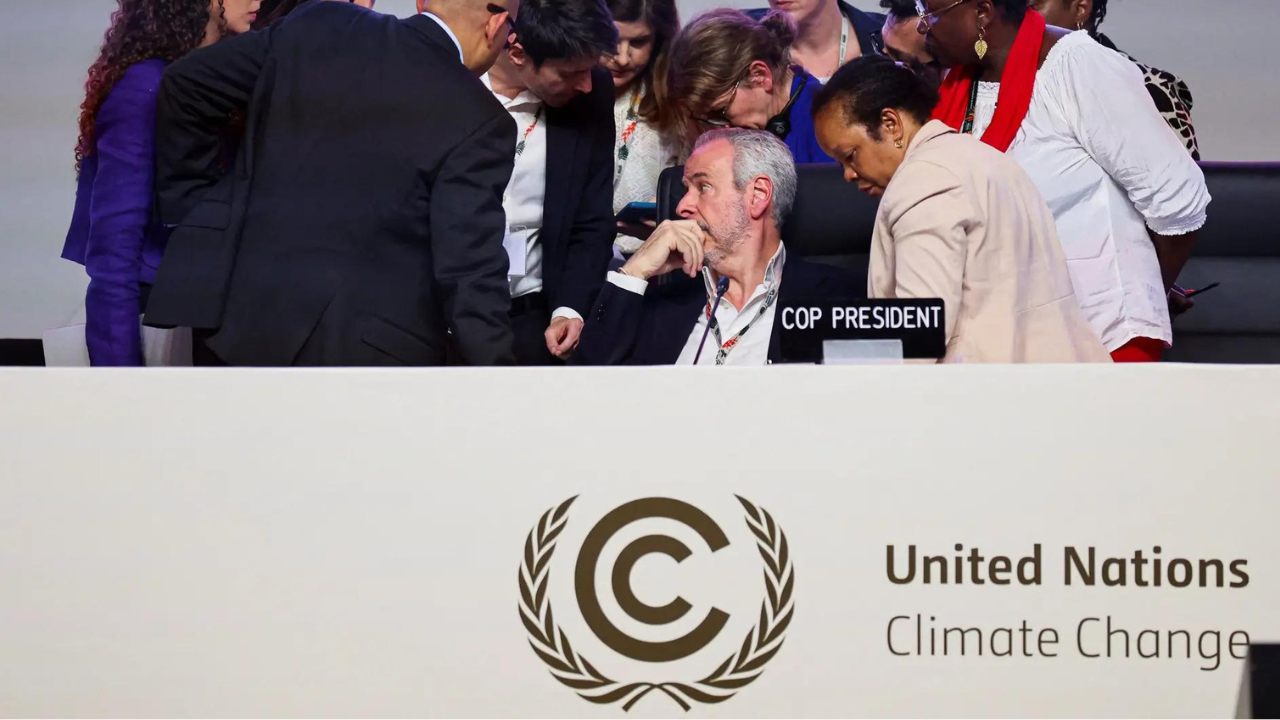
Geneva, Switzerland – The dust has barely settled from COP30 in Belem, Brazil, and the knives are already out. The UN's High Commissioner for Human Rights, Volker Turk, pulled no punches this week, lambasting the summit's outcomes as "meagre" and warning that the "fatal inaction" of world leaders on climate change could one day be considered a crime against humanity. That's a pretty stark assessment, even by UN standards.
UN Issues SHOCK Warning: Is This The END Of Climat...
Speaking at the UN's business and human rights forum here in Geneva, Turk didn't mince words, pointing the finger squarely at "corporate power imbalances" as a major factor hindering meaningful progress on the climate emergency. He specifically highlighted the fossil fuel industry, accusing them of raking in massive profits while devastating vulnerable communities and nations. You know, the usual suspects.
The COP30 agreement, finalized just days ago, did manage to achieve a limited consensus, urging countries to "accelerate" their climate action. But that's where the strength stops. The agreement only offers an implied reference to phasing out fossil fuels, a point that has been heavily criticized by environmental groups. Honestly, it feels like a watered-down compromise designed to keep everyone at the table, but ultimately lacking the teeth needed to make a real difference. I remember covering similar climate summits in the past, and the feeling of deja vu is almost overwhelming.
Turk emphasized the need for accountability, arguing that those profiting from climate chaos must be held responsible for the harm they inflict. He cited recent rulings by both the International Court of Justice and the Inter-American Court of Human Rights, which underscore the legal obligations of governments to protect the climate and regulate businesses accordingly. These rulings are important, and provide a legal framework for holding corporations accountable, but we all know enforcement is a whole other ballgame.
Perhaps the most chilling part of Turk's statement was his reflection on how future generations will view our current actions – or lack thereof. He openly questioned whether the "inadequate response of today" might eventually be classified as ecocide, or even a crime against humanity. It's a sobering thought. Will our grandchildren look back at this era and wonder why we didn't do more? Will they see us as complicit in our own demise, blinded by short-term profits and political expediency? Let's hope not, but honestly, right now, it's hard to be optimistic.
Comments
Please sign in with Google to post a comment
No comments yet. Be the first to comment!