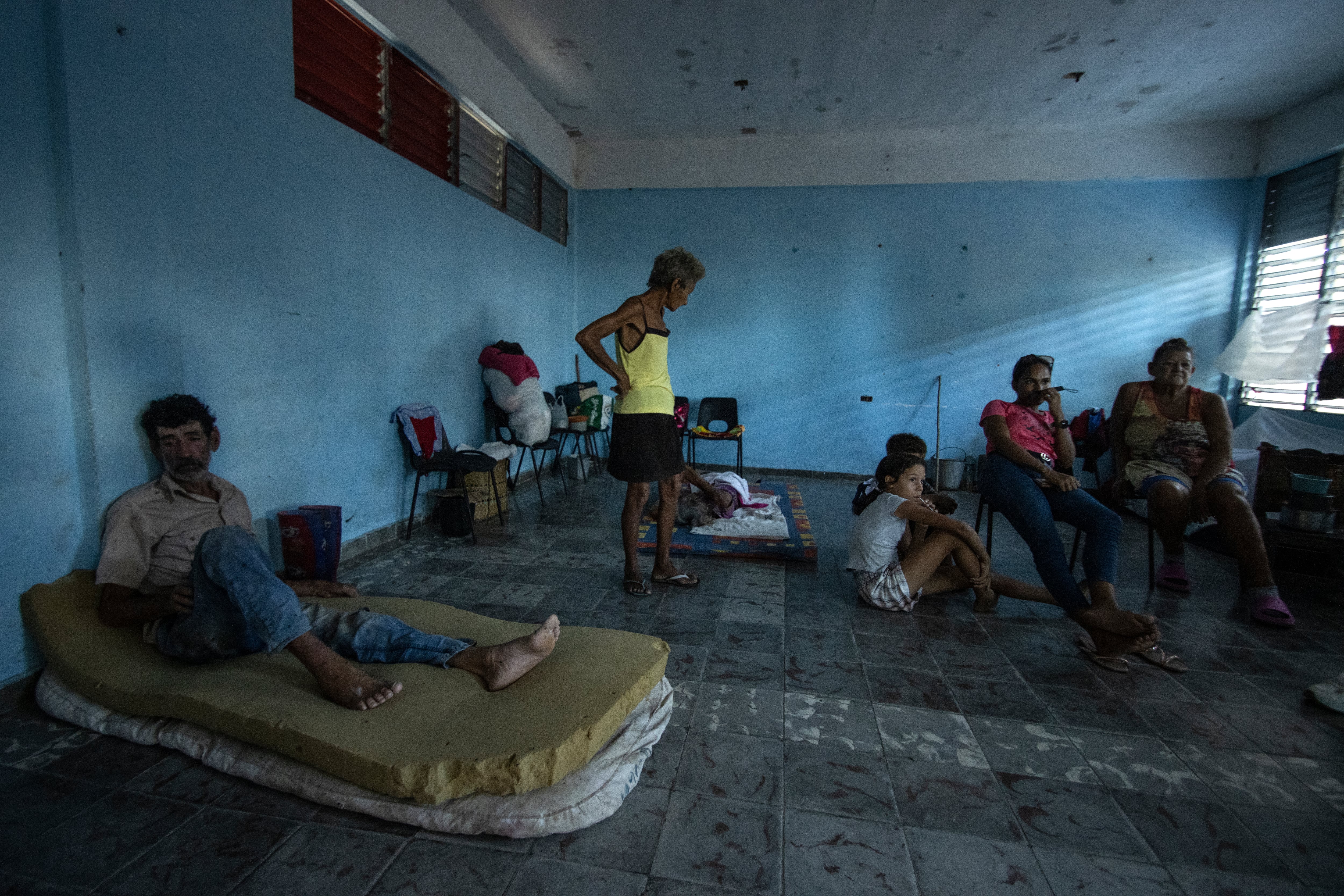
The lives that Hurricane Melissa upturned in Cuba
Hurricane Melissa: Cuba Reels From Devastating Aft...
The recent battering from Hurricane Melissa has only deepened the already dire situation in eastern Cuba. Imagine losing everything, not just to a storm, but to a confluence of crises that seem to be piling on one another. That's the reality for residents now, as they grapple with the daunting task of rebuilding their lives from the mud and wreckage.
It was around 1 a.m. on the last day of October when the nightmare truly began. After the storm had swept across the island, residents of Cauto el Paso woke to floodwaters rising at an alarming rate, levels unseen in half a century. Panic set in. Neighbors alerted neighbors, and a desperate race began to save what they could, hauling belongings to upper floors, even rooftops. While everyone braced for the usual hurricane damage – the potential for roof damage, fallen trees – the sheer scale of the flooding caught them completely by surprise. It was a scenario few were prepared for.
With no other choice, the people of Río Cauto and Cauto Cristo fled, desperately seeking shelter and awaiting rescue by Cuban civil defense workers. Now, as the floodwaters slowly recede in Cauto el Paso, families are returning to what's left of their homes. Most are still standing, remarkably, but submerged in a thick, clinging mud. The only way to access the village is by tractor, one of the few vehicles capable of navigating the impassable, muddy roads that have effectively isolated the community. I can only imagine the feeling of despair as they returned, seeing their lives covered in grime.
There's a glimmer of hope though. A recent initiative, the “Río Cauto in Our Hands” caravan, managed to deliver vital resources to the flood-affected areas – food, clothing, appliances, even rechargeable lamps. It’s a testament to what can be achieved when people come together. The effort was a collaborative one, involving civil society members, international donors, and even some Cuban private companies, all working with the approval of local authorities. Leniuska Barrero, a native of the eastern region now living in Havana, coordinated the 18-hour journey from the capital to Granma. She stressed that while the aid wouldn't solve everything, it would provide some much-needed relief and address the most pressing needs. It's a drop in the bucket, perhaps, but a crucial one.
As the sun rises each day, residents emerge, struggling to secure the basics for survival. A jug of cow’s milk for breakfast, green plantains sold from a farmer's cart. Some venture out with axes to chop down trees for firewood, a sad necessity for cooking. A sack of charcoal costs 1,000 CUP (Cuban pesos) when you can even find it – nearly half the minimum wage! In a Cuba plagued by blackouts, this has become the norm for many. And as evening falls, the now-familiar procession of buckets and jugs begins again, as residents search for water, a resource that often arrives murky in cisterns. Some cooperatives have managed to secure water trucks from other areas, a small victory. Others, like Yunior, a 46-year-old agricultural engineer, are forced to purchase a bucket of water for 500 CUP just to have something to drink. This is his reality now. This is their life now.
Comments
Please sign in with Google to post a comment
No comments yet. Be the first to comment!