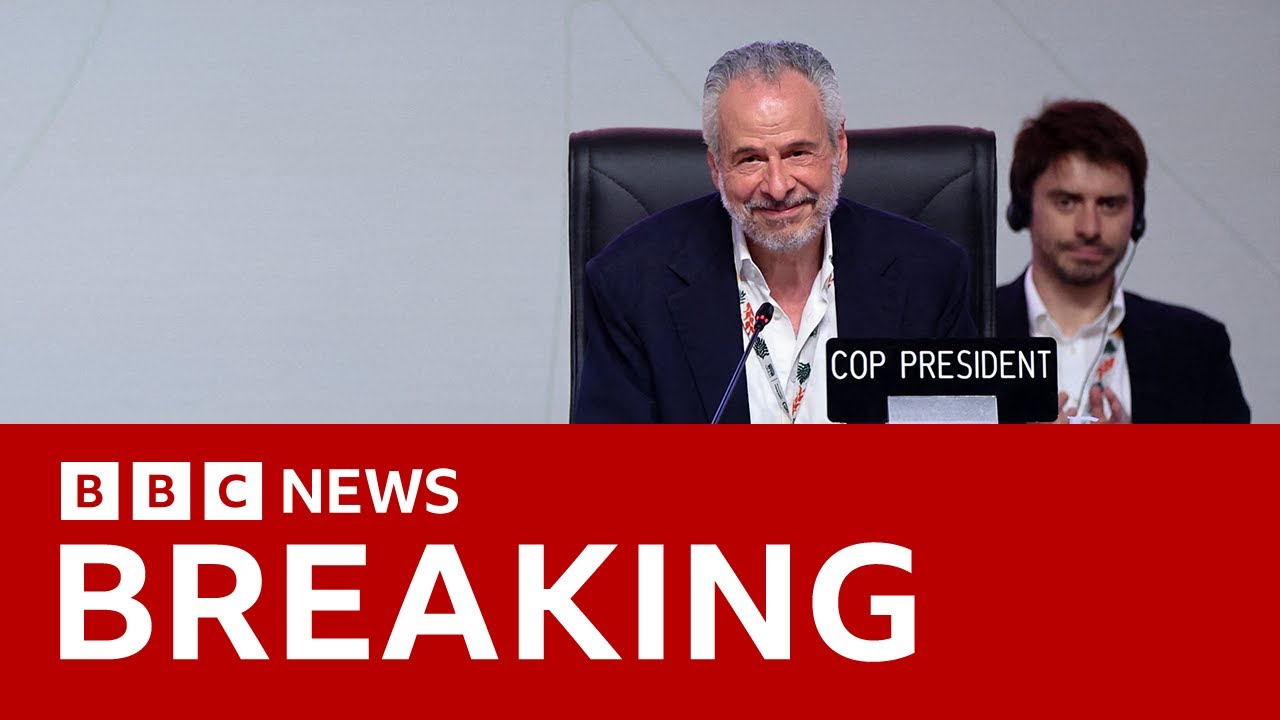
Well, folks, the reports are in, and it's not exactly sunshine and rainbows coming out of Brazil. COP30, the latest big climate pow-wow held in the vibrant (and vital) country, has wrapped up. Unfortunately, according to BBC News, it concluded without any fresh, concrete pledges to actually *cut* fossil fuel use. I know, I know, we hear about these conferences all the time, but this one was supposed to be a big push forward. Guess what? It wasn’t.
COP30 DISASTER! Brazil Summit FAILS: Climate Futur...
The significance of this, and I can't stress this enough, is pretty darn concerning. These COP meetings are essentially where the world's governments get together to try and, you know, *solve* the climate crisis. The idea was to build on previous agreements and accelerate climate action, but apparently, securing further pledges proved to be an insurmountable hurdle this time around. It just wasn't in the cards, which begs the question: Why? What went wrong?
Now, I wasn't actually *there* on the ground in Brazil, but I've been following these climate summits for years, and a lack of concrete action usually boils down to a few key suspects. First, there's the inevitable clash of national interests. Countries are hesitant to commit to anything that might hurt their economies, especially if they feel like other nations aren't pulling their weight. Then you have the influence of powerful fossil fuel lobbies, who are constantly working to undermine climate action. And, frankly, sometimes it’s just plain old political inertia, a resistance to change that seems built into the DNA of many governments. It's a frustrating cycle, to say the least.
What does this mean for the future? It's tough to say for sure, but the lack of new pledges definitely casts a shadow. We're already seeing the devastating effects of climate change around the world, from extreme weather events to rising sea levels. The clock is ticking, and every year that passes without meaningful action makes the challenge even greater. The failure at COP30 doesn't necessarily mean all hope is lost, of course. There are still plenty of other avenues for climate action, from grassroots movements to technological innovation. But it’s a stark reminder that international cooperation is absolutely essential, and right now, it seems like we're falling short. It's definitely a wake-up call, and hopefully, one that will spur renewed efforts in the years to come. We can only hope that the powers that be get their act together. Our planet depends on it.
Comments
Please sign in with Google to post a comment
No comments yet. Be the first to comment!