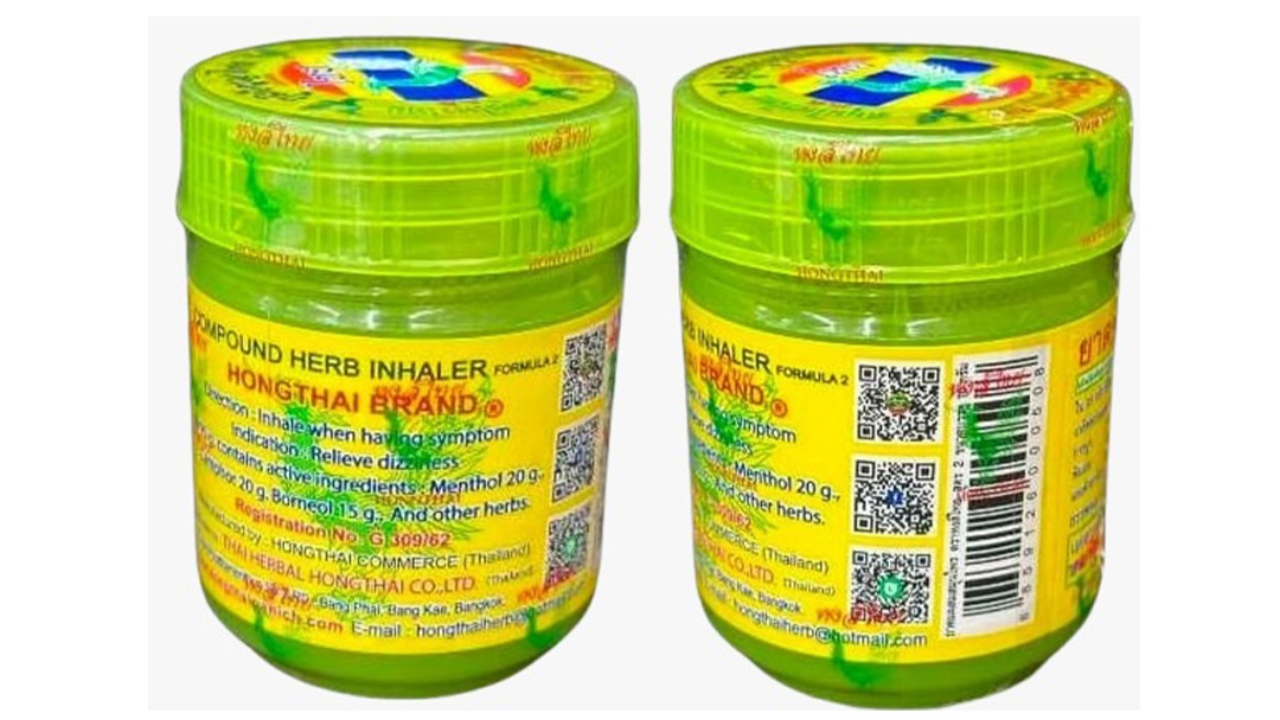
**UAE Pulls Hong Thai Herbal Inhaler Off Shelves Following Contamination Concerns**
UAE Sniffs Out Trouble: Thai Herbal Inhaler Banned...
The Emirates Drug Establishment (EDE) has issued a nationwide recall of the popular Hong Thai Herbal Inhaler, also known as Yadom, after laboratory tests confirmed microbial contamination in several batches. The swift action follows a warning from Thai regulatory authorities regarding potential issues with the product.
The EDE, responsible for ensuring the
The EDE, responsible for ensuring the safety and efficacy of pharmaceuticals within the United Arab Emirates, immediately launched an investigation upon receiving the alert from Thailand. This involved rigorous testing of all available stock within the country. The results confirmed the presence of microbial contaminants in multiple batches of the inhaler, prompting the immediate recall.
The Hong Thai Herbal Inhaler is a widely used over-the-counter remedy, often employed to relieve nasal congestion and provide a refreshing sensation. Its popularity stems from its perceived natural ingredients and ease of use. However, the EDE's findings highlight the potential risks associated with even seemingly harmless products if manufacturing processes are not strictly controlled and monitored.
In a public statement, the EDE urged all residents to immediately cease using the Hong Thai Herbal Inhaler. Consumers are advised to safely dispose of any inhalers they may possess and to seek medical attention if they have experienced any adverse symptoms after using the product. These symptoms could range from mild irritation to more serious respiratory issues, depending on the type and level of contamination.
The recall underscores the importance of
The recall underscores the importance of robust regulatory frameworks and international collaboration in ensuring public health. The proactive stance taken by the EDE, triggered by the initial warning from Thai regulators, demonstrates the effectiveness of information sharing and coordinated action in addressing potential threats to consumer safety.
This incident serves as a reminder that even products marketed as "natural" or "herbal" are subject to stringent quality control measures. Consumers are encouraged to remain vigilant and to report any concerns about the safety or quality of pharmaceutical products to the relevant authorities. The EDE's prompt response aims to protect public health and maintain confidence in the safety of products available in the UAE market. The investigation into the source and extent of the contamination is ongoing.
Comments
Please sign in with Google to post a comment
No comments yet. Be the first to comment!