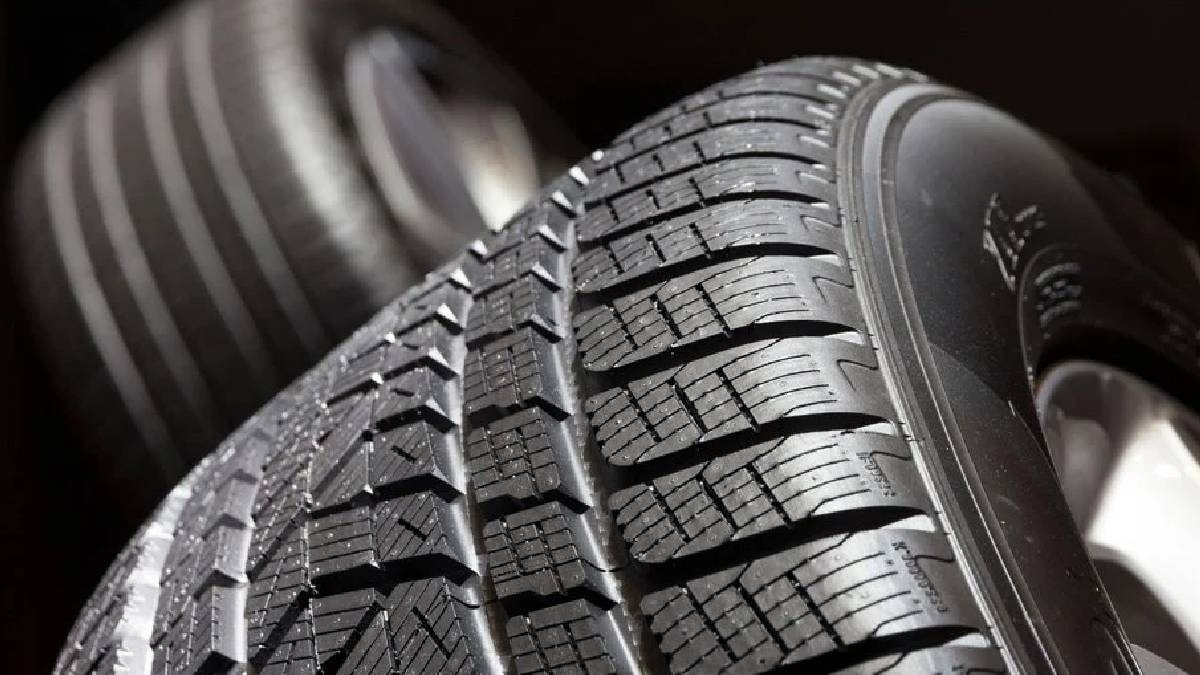
With November in full swing, most of us have already swapped out our summer tires for winter treads. But here's a question many drivers overlook: what happens to the tires you're *not* using? Improper storage can seriously shorten the lifespan of your tires, leading to deformation, cracking, and ultimately, premature replacement. So, let's dive into the expert-backed guide to storing your winter tires the right way.
Winter Tire Storage Secrets REVEALED! Are YOU Doin...
First things first: the environment. Think dark, cool, and dry. Experts recommend a temperature range of 10-25 degrees Celsius (50-77 Fahrenheit). Personally, I always aim for the cooler side of that range. Crucially, keep petroleum products and lubricants far, far away. These can wreak havoc on the rubber's structure, accelerating wear and tear. I remember a friend who stored his tires near his motorcycle's oil supply – big mistake! The rubber started degrading within a year.
Balcony storage is a common question. An open balcony? Absolutely not. The fluctuating temperatures and direct sunlight are tire killers. However, if you have a fully enclosed and well-insulated balcony, shielded from the sun, that could work in a pinch. Garages are often a go-to, but keep in mind that metal garages can experience rapid temperature swings. Brick structures tend to offer more stable conditions. Cellars and barns can also be suitable, provided there's adequate ventilation to prevent moisture buildup.
Don't have the space or the right conditions? Consider "tire hotels." These specialized storage services are becoming increasingly popular. For a reasonable fee, experts will store your tires in climate-controlled environments that perfectly adhere to storage guidelines. The downside? They're not available everywhere, and, of course, there's the added cost. But for many, the peace of mind and guaranteed proper storage are worth it.
Now, the big question: rims or no rims? Here's the breakdown. Tires *on* rims can be stored horizontally, stacked on top of each other, or even hung from the wall using specialized hooks. Avoid placing them vertically on the ground, as this can cause deformation. Using a wooden platform to elevate them off the ground is also a good idea. Tires *without* rims, on the other hand, *must* be stored vertically. Rotate them every 3-4 weeks to prevent flat spots. Ideally, use a tire stand or shelf. And absolutely ensure there are no foreign objects pressing against the tire, as this can lead to permanent damage.
Finally, preparation is key. Before storing your tires, give them a thorough wash and ensure they are completely dry. Then, place them in special tire bags, sacks, or storage boxes. Opt for breathable covers. Regularly check the storage area for any signs of moisture or temperature fluctuations. And remember, even a closed wooden cabinet can provide a suitable environment, provided it meets the other criteria.
Comments
Please sign in with Google to post a comment
No comments yet. Be the first to comment!