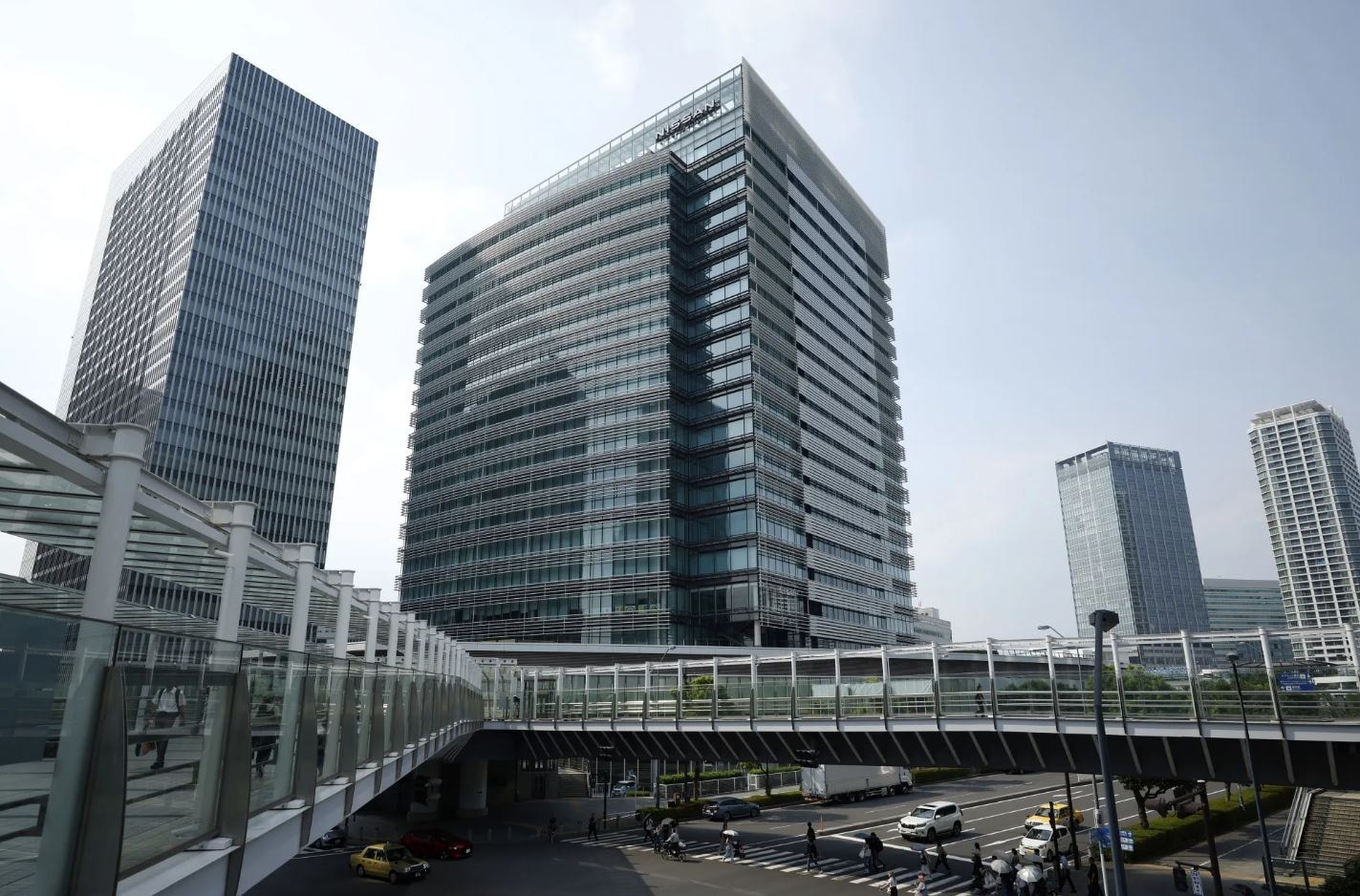
Nissan Sells Headquarters Amidst Billion-Dollar Losses and Restructuring
Yokohama, Japan – Automotive giant Nissan Motor is selling its Yokohama headquarters for 97 billion yen ($632 million) after reporting a staggering net loss of 221.9 billion yen ($1.44 billion) for the first half of fiscal year 2025 (April-September). The move signals a significant shift in strategy as the company grapples with declining sales, particularly in key markets like Japan and China, and the impact of US tariffs on the Japanese automotive sector.
Auto Giant's Stunning Fire Sale: Headquarters Hit ...
The 7.3% drop in global vehicle sales, totaling 1.48 million units, has forced Nissan to reassess its production and sales strategies. This underperformance, coupled with the significant financial losses, has triggered a comprehensive restructuring plan aimed at streamlining operations and bolstering future growth.
The sale of the headquarters is
The sale of the headquarters is being framed as a strategic maneuver to unlock capital for crucial investments. According to a company statement, the proceeds will be channeled into research and development (R&D), digital transformation initiatives, and necessary facility renovations. This "disciplined capital strategy," as Nissan describes it, is designed to leverage non-core assets to fuel the company's transformation during these challenging times.
While ownership will change hands, Nissan will continue to operate its after-sales headquarters and surrounding campuses at the Yokohama location, leasing the facilities for the next 20 years. This arrangement ensures business continuity while freeing up capital for strategic reinvestment.
The headquarters sale is not an isolated event. Nissan has already announced plans to close its Oppama plant in Japan by the end of fiscal year 2027 and its Cuernavaca plant in Mexico in March 2026. These closures are part of a broader initiative to optimize its global production network, reducing the number of facilities from 17 to 10 and slashing overall production capacity from 3.5 million to 2.5 million units.
These bold steps reflect Nissan's commitment to navigating the evolving automotive landscape. By shedding non-essential assets and streamlining operations, the company aims to regain its footing and position itself for sustainable growth in an increasingly competitive global market. The future success of Nissan hinges on its ability to effectively execute its restructuring plan and adapt to the changing demands of the automotive industry.
Comments
Please sign in with Google to post a comment
No comments yet. Be the first to comment!