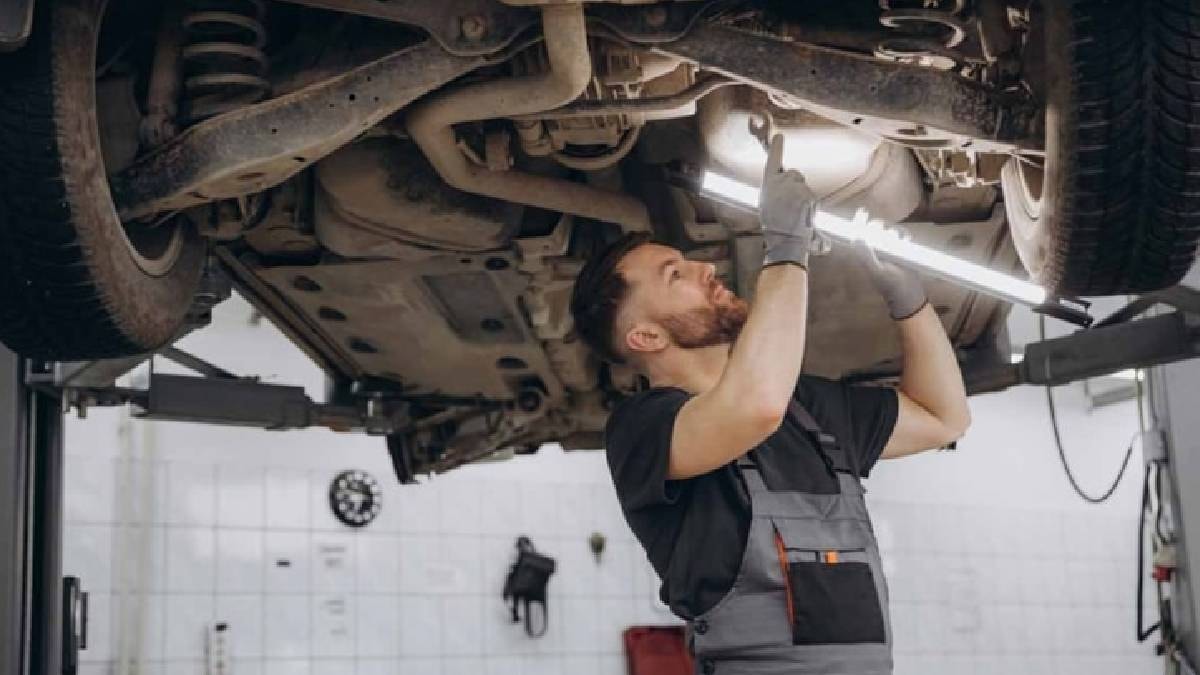
Used car shopping can feel like navigating a minefield. You never quite know what lurks beneath that shiny exterior. While a thorough inspection is always recommended, sometimes, the warning signs are right under your nose, or rather, billowing out of the tailpipe. Experienced mechanics are now pointing to one critical indicator that signals it might be time to ditch your ride: excessive oil consumption.
See THIS in Your Car? Sell it NOW Before It's Too ...
Now, before you reach for the oil dipstick in a panic, let's clarify what we're talking about. We're not talking about a minor top-up between oil changes. We're talking about noticeably frequent oil loss, requiring you to constantly add oil to maintain the proper level. Mechanics often refer to this as "oil burning" or "oil eating," and it’s a far cry from normal operation. Many drivers mistakenly believe simply topping off the oil is a sufficient fix, but this is akin to ignoring a persistent cough, hoping it will magically disappear.
The underlying cause of this excessive oil consumption is usually rooted in internal engine wear. Think of it like this: the engine's components are like a precisely choreographed dance. When the piston rings, responsible for sealing between the piston and the cylinder wall, lose their elasticity or become coated with carbon buildup, oil can seep into the combustion chamber and burn alongside the fuel. The result? A telltale plume of gray-blue smoke emanating from the exhaust. This smoke signifies that parts inside your engine are burning along with the oil.
Another common culprit is hardened or cracked valve oil seals. These seals, over time, can degrade, allowing oil to leak into the combustion chamber. This leads to a buildup of carbon on the spark plugs, valves, and exhaust system, resulting in decreased performance, erratic idling, and, you guessed it, increased fuel consumption. It's a domino effect of mechanical woes.
The real kicker here is the cost of repair. An engine exhibiting significant oil consumption typically requires a complete overhaul. This is a major undertaking, involving the replacement of piston rings, cylinder liners, valve seals, and other worn components. The labor and parts can easily run into several thousand dollars, a sum that might outweigh the value of the vehicle itself. Many consider such an extensive repair to be economically illogical for older cars. My neighbor faced this exact scenario last year, and after getting quotes, he decided to sell his beloved pickup truck instead of sinking a small fortune into its engine.
Therefore, if you find yourself constantly checking and topping off your car's oil, consider it a serious warning sign. Experts suggest that, instead of waiting for a catastrophic engine failure and a massive repair bill, it might be a wiser move to sell the vehicle while it's still running, even if at a reduced price. Cut your losses and avoid a potential financial disaster.
One final note: some car manufacturers will actually state that oil consumption of up to a liter per 1,000 kilometers is “normal." While the manufacturers might claim this is acceptable, many experienced mechanics and drivers remain highly skeptical. In their view, any noticeable oil consumption in a modern engine, regardless of what the manual says, is a sign of wear and tear that should be taken seriously. Don't ignore the signs – your wallet will thank you.
Comments
Please sign in with Google to post a comment
No comments yet. Be the first to comment!