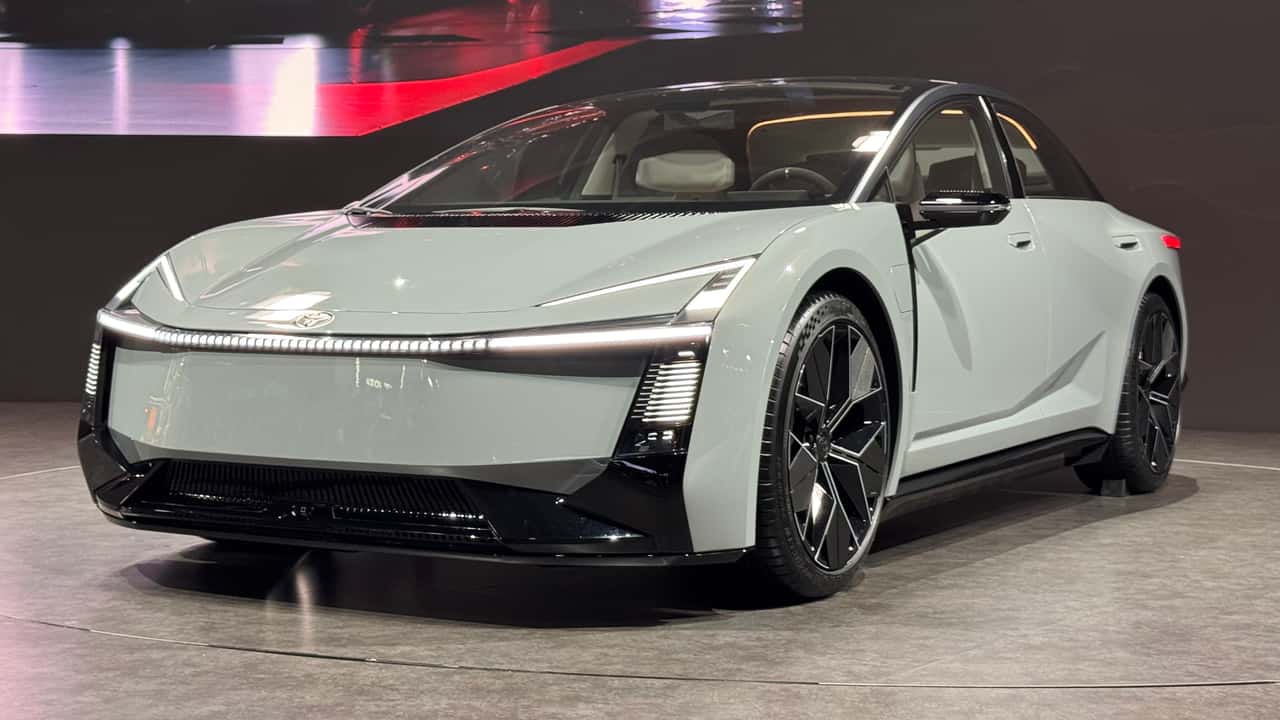
Toyota Eyes Extended Lifespans for Key Models, Prioritizing Electrification
Toyota, fresh off its fifth consecutive year as the world's top automaker, is reportedly considering extending the lifecycle of its flagship models to a remarkable nine years. This strategic shift, driven by robust demand and a desire to accelerate its electrification efforts, could reshape the automotive landscape.
Toyota Aims for Automotive Longevity: 9-Year Model...
According to Nikkei Asia, Toyota aims to lengthen the production run of key models like the RAV4 and Corolla, vehicles that command significant global market share. This move builds upon a trend already evident within the company, where model lifecycles have steadily increased from an average of five years to seven in the 2000s.
The rationale behind this decision is multifaceted
The rationale behind this decision is multifaceted. With order books brimming and customers demonstrating patience, Toyota feels confident in stretching the lifespan of its well-established vehicles. This extended timeframe would provide valuable breathing room for the company to focus its resources on developing and refining its electric vehicle (EV) technology. The longer cycles will allow Toyota to incorporate regular updates, including over-the-air software improvements, ensuring their hybrid and electric vehicles remain competitive and cutting-edge.
The current Corolla, launched in 2018, and the RAV4, which recently underwent a generational update after seven years, exemplify this trend. Even more extreme examples exist within Toyota's lineup, such as the 4Runner, whose previous generation spanned an impressive 15 years, and the legendary Land Cruiser 70 Series, which is celebrating its 41st year in production.
While Toyota anticipates positive outcomes from this strategic shift, the plan isn't without its detractors. Some local dealers have voiced concerns about potential profit margin erosion. Longer model lifecycles could necessitate larger discounts to attract buyers as the vehicles age, potentially impacting dealer profitability. In response, Toyota has reportedly assured dealers that wholesale prices will remain stable throughout the extended nine-year cycle.
Ultimately, the success of this strategy hinges on customer preferences. While some buyers crave the latest and greatest models, others appreciate the reliability and refinement that comes with a vehicle that has matured over time. In an era where software plays an increasingly critical role in vehicle functionality, some customers may prefer to wait for a thoroughly vetted and optimized product. Toyota's gamble is that the benefits of a well-established and continuously updated vehicle will outweigh the allure of a brand-new design for a significant portion of its customer base, ultimately paving the way for a smoother transition into the electric vehicle era.
Comments
Please sign in with Google to post a comment
No comments yet. Be the first to comment!