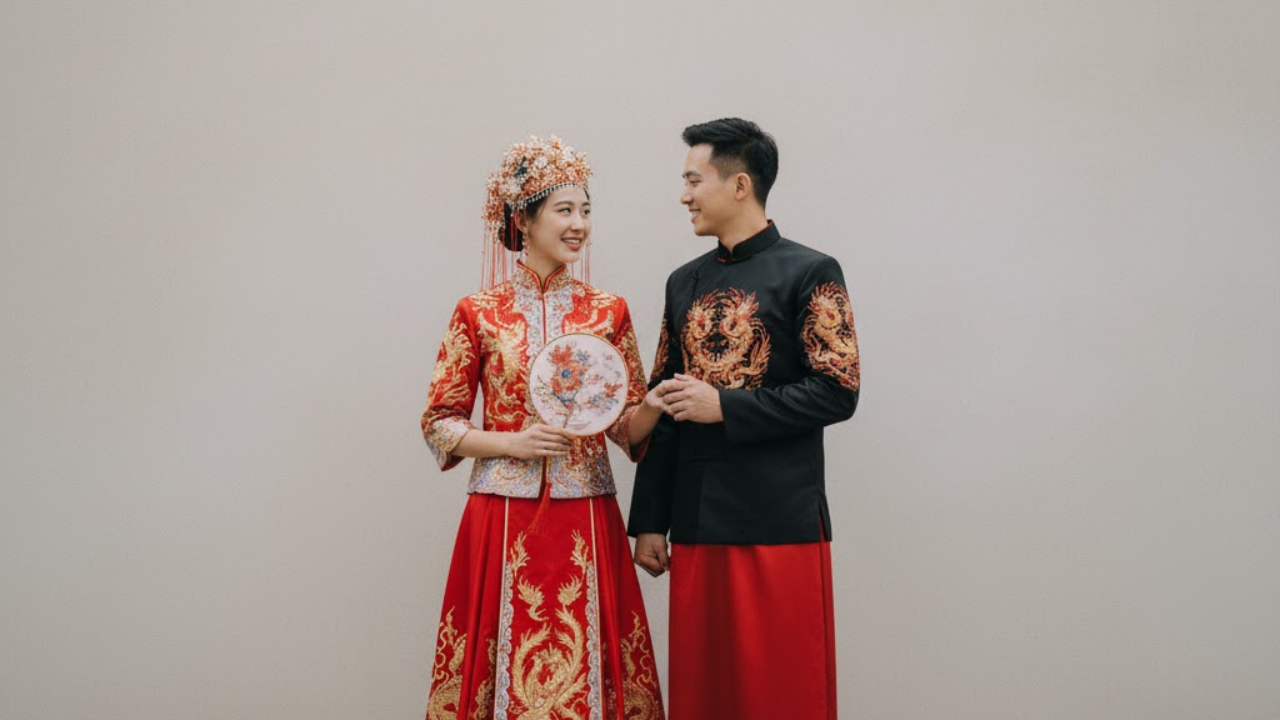
China's Nuptial Nudge: Ningbo Offers Cash Vouchers to Boost Marriage Rates
In a bid to combat declining marriage rates and address the nation's aging population, the Chinese city of Ningbo is taking a novel approach: offering newlyweds 1,000 yuan (approximately $141) in consumption vouchers. The initiative aims to alleviate the financial pressures associated with marriage and encourage young people to tie the knot and start families.
Tying the Knot? This Chinese City's Offering Cold,...
The Ningbo civil affairs department announced the program via its official WeChat account, detailing that the vouchers will be distributed on a "first-come, first-served" basis. These vouchers, redeemable for a variety of wedding-related expenses, including photography, ceremonies, hotel stays, and retail purchases, are intended to ease the financial burden often associated with getting married. The program offers eight vouchers in total, collectively worth the 1,000 yuan.
Ningbo isn't alone in adopting this approach
Ningbo isn't alone in adopting this approach. Other eastern cities, including Hangzhou and Pinghu, have also launched similar voucher schemes, signaling a broader trend in China's efforts to revitalize marriage rates. These initiatives are particularly relevant as recent data indicates a continued decline in marriage registrations. Last year, just over 6.1 million couples registered their marriages in China, a significant drop from the 7.68 million recorded in 2023.
The declining marriage rate is a key concern for Chinese authorities, who are grappling with the implications of a rapidly aging population. A shrinking workforce and an increasing elderly population pose significant challenges to the country's economic and social stability.
Beyond financial incentives, Beijing has been exploring other avenues to promote marriage and childbirth. Universities and colleges have been urged to provide "love education," fostering positive attitudes towards marriage, fertility, and family life. Local governments have also been directed to allocate resources specifically to encourage couples to marry and have children "at the right age."
The success of these voucher schemes and other initiatives remains to be seen. However, they represent a concerted effort by Chinese authorities to address a complex demographic challenge and encourage a new generation to embrace marriage and family life. The long-term impact of these policies will be closely watched as China navigates its evolving demographic landscape.
Comments
Please sign in with Google to post a comment
No comments yet. Be the first to comment!