Unknowingly Damaging Your EV Battery: Common Mistakes to Avoid
EV Battery Killers: Are You Making These Silent Mi...
Electric vehicles (EVs) are rapidly becoming a mainstream mode of transportation, but many drivers are unknowingly shortening the lifespan of their most valuable component: the battery. With replacement costs ranging from $5,000 to upwards of $20,000, understanding proper battery care is crucial for maximizing the longevity and value of your EV. Experts warn that seemingly innocuous charging habits and driving behaviors can significantly impact battery health, leading to premature degradation and costly repairs.
The Perils of Overcharging and Deep Discharge
One of the most common mistakes is consistently charging the battery to 100% capacity. While seemingly convenient, this practice puts undue stress on the battery cells. Experts advise that EV batteries operate most efficiently and maintain optimal health when kept between a 20% and 80% charge level. Charging to full capacity increases voltage, damaging the electrodes and accelerating wear, which ultimately reduces the vehicle's range over time. For daily use, setting a charge limit of 80% is recommended, reserving the 100% charge for long journeys.
Conversely, allowing the battery to completely discharge, a practice known as "deep discharge," is equally detrimental. When the charge level drops to near zero, the battery cells experience intense stress, potentially leading to lithium plating and damage to the internal structure. The recommended practice is to plug in the vehicle when the battery indicator drops below 20% to avoid this damaging scenario.
Temperature Extremes and Cable Quality
Another critical factor influencing battery life is temperature. Both extreme cold and extreme heat can negatively impact battery performance. In cold weather, lithium ions become less effective, potentially reducing the vehicle's range by 10-36%. Extreme heat, on the other hand, causes chemical degradation within the battery cells, shortening their lifespan. To mitigate these effects, parking in the shade, charging during cooler hours, and allowing the battery heating system to activate in cold weather are all recommended practices.
The Importance of Software Updates and Cable Integrity
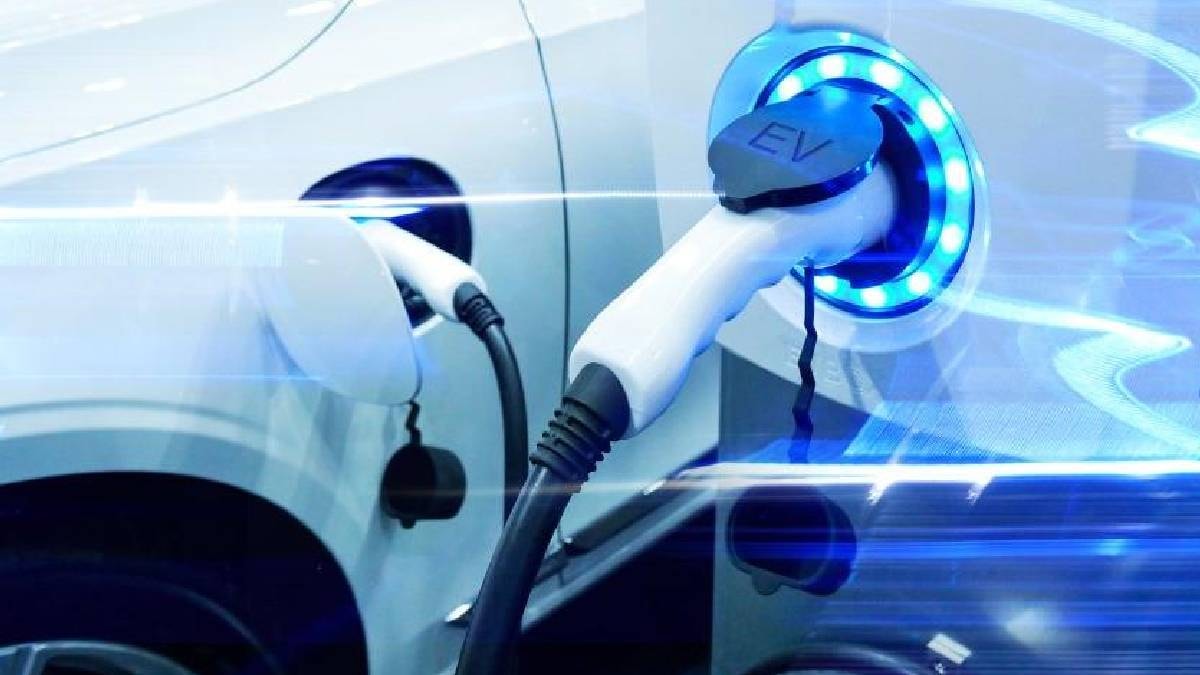
Beyond charging habits and environmental factors, the quality of charging cables and the timeliness of software updates also play a significant role in battery health. Using low-quality or damaged charging cables poses a risk of short circuits and fire. Cables with weakened insulation or visible damage can harm both the battery and the vehicle. Experts recommend inspecting cables before each charge and avoiding non-original equipment products.
Finally, software updates are not just for infotainment systems; they are crucial for protecting battery health. These updates improve thermal management, prevent overheating and freezing, and utilize advanced diagnostic systems to detect potential malfunctions early. Ensuring your EV is set to automatic updates or manually checking for updates regularly is a vital step in...
Comments
Please sign in with Google to post a comment
No comments yet. Be the first to comment!