A Decade of Listening to the Universe: LIGO's Impact on Astronomy
September 2025 marks a significant milestone in the field of astrophysics: the tenth anniversary of the first direct detection of gravitational waves. This groundbreaking discovery, made by the Laser Interferometer Gravitational-Wave Observatory (LIGO), confirmed a key prediction of Albert Einstein's 1916 theory of General Relativity and opened a new window onto the cosmos.
October Skies Beckon: Will LIGO Hear the Universe ...
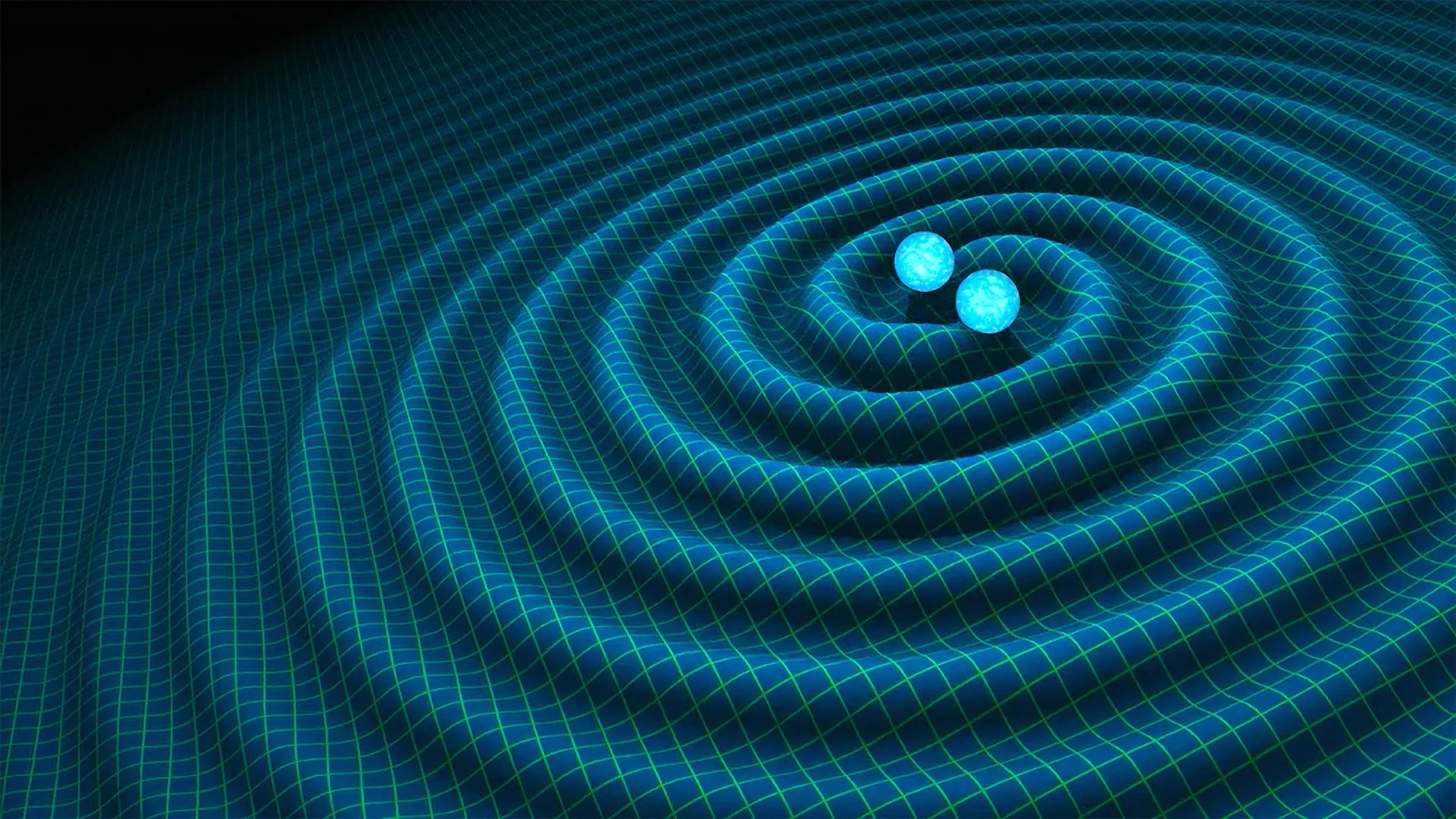
Gravitational waves are invisible ripples in the fabric of space-time, generated by accelerating massive objects, particularly during violent cosmic events. Think of it like dropping a pebble into a pond – the disturbance creates waves that propagate outwards. In the case of gravitational waves, the "pebbles" are events like the merging of black holes, supernova explosions, or collisions of neutron stars.
LIGO's initial detection involved the merger
LIGO's initial detection involved the merger of two black holes, an event that sent ripples of space-time speeding across the universe at the speed of light – roughly 186,000 miles per second. These waves subtly stretch and squeeze space itself, altering the distance between objects as they pass. While imperceptible to the human eye, LIGO's sophisticated instruments are designed to detect these minute changes.
So how does LIGO actually "hear" these gravitational whispers? The observatory utilizes an ingenious design featuring two tunnels, each 2.5 miles long, arranged in an "L" shape. At the end of each tunnel, a meticulously polished mirror, weighing 40 kilograms, reflects a laser beam. The laser beam is split in two, with each half traveling down one of the tunnels, bouncing off the mirrors, and returning to be recombined.
Under normal circumstances, when the tunnels are of perfectly equal length, the returning light waves cancel each other out, resulting in darkness at the detector. However, when a gravitational wave passes through, it slightly stretches one tunnel while simultaneously squeezing the other. This minuscule change in length disrupts the perfect cancellation of the light waves, creating a flicker of light that signals the wave's presence.
LIGO's ability to detect these faint flickers has revolutionized our understanding of the universe. It allows scientists to study events that are invisible to traditional telescopes, offering insights into the behavior of black holes, neutron stars, and the fundamental nature of gravity. As we celebrate the tenth anniversary of this pivotal discovery, the future of gravitational wave astronomy looks brighter than ever, promising even more profound revelations about the cosmos.
Comments
Please sign in with Google to post a comment
No comments yet. Be the first to comment!