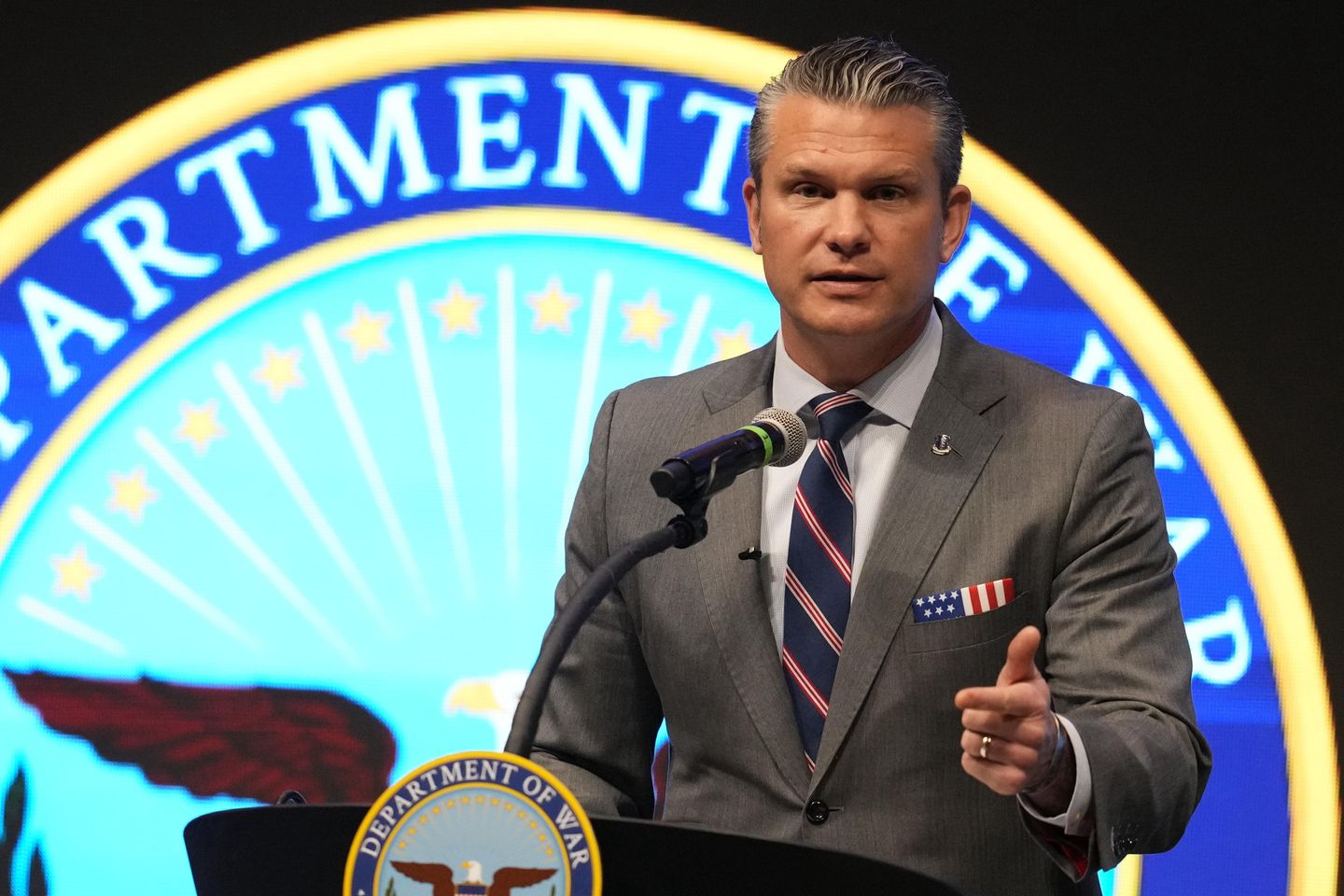
**U.S. Urged to Protect Global Christian Freedom of Worship**
Hegseth: Will America Stand Up for Christian Faith...
Defense Secretary Pete Hegseth has called for the United States to actively defend the freedom of Christians to worship around the world, particularly highlighting the plight of persecuted Christians in Nigeria and other regions where they face severe oppression for their faith. Speaking on Friday, Hegseth emphasized the moral imperative for the U.S. to stand as a beacon of religious liberty and protect vulnerable communities facing persecution.
Global Religious Freedom Under Scrutiny
Hegseth's statement comes amidst growing concerns about the rise of religious persecution in various parts of the world. Reports from international human rights organizations consistently document the increasing challenges faced by Christians, particularly in regions experiencing political instability, conflict, or the rise of extremist ideologies. The situation in Nigeria, specifically mentioned by Hegseth, has been a focal point of concern, with numerous reports of violence and discrimination targeting Christian communities.
Nigeria as a Case Study
The situation in Nigeria is particularly alarming, with escalating violence often attributed to religious extremism and land disputes. Christian communities have reported targeted attacks, displacement, and a lack of adequate protection from the government. Hegseth's focus on Nigeria underscores the urgency of addressing the specific challenges faced by Christians in the region and the need for a comprehensive strategy to ensure their safety and religious freedom.
The U.S. Role in Protecting Religious Minorities
Hegseth's call to action raises questions about the specific role the U.S. should play in protecting religious minorities abroad. While he did not elaborate on specific policy recommendations, his statement suggests a more proactive approach to addressing religious persecution through diplomatic pressure, targeted sanctions, and potentially even humanitarian aid and security assistance.
Potential Avenues for U.S. Action
Several avenues exist for the U.S. to exert its influence. These include leveraging diplomatic channels to raise concerns with foreign governments, imposing sanctions on individuals or entities responsible for religious persecution, and providing support to organizations working to protect and assist persecuted Christians. Furthermore, the U.S. could strengthen its existing programs that promote religious freedom globally and ensure that these programs are effectively reaching those most in need. The debate now centers on how the U.S. can best translate this commitment into tangible action, balancing the need to protect religious freedom with considerations of national security and foreign policy priorities.
Comments
Please sign in with Google to post a comment
No comments yet. Be the first to comment!