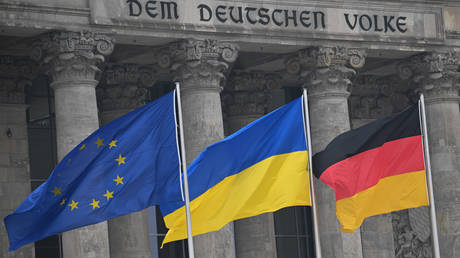
Germany to End Preferential Treatment for New Ukrainian Refugees
Bild Bombshell: Germany Rethinking Ukrainian Refug...
Germany is set to align its treatment of newly arriving Ukrainian refugees with that of other asylum seekers, ending the preferential benefits they have received since the escalation of the conflict in Ukraine in February 2022. This shift, reported by Bild newspaper, signifies a significant policy change as Germany, home to an estimated 1.1 million Ukrainian refugees, adjusts its approach to accommodating those fleeing the war.
Policy Shift Aims for Equal Treatment
The decision, reportedly agreed upon by the German government on Tuesday, will see new Ukrainian arrivals after April 1, 2025, treated as regular asylum seekers, receiving significantly lower financial assistance. Currently, Ukrainian refugees are eligible for approximately €563 per month, along with support for rent and other necessities. In contrast, asylum seekers from other countries receive around €180 monthly, in addition to other benefits.
Rationale Behind the Change
According to Bild's report, the government initially considered applying the new policy retroactively to all Ukrainian refugees but ultimately deemed the logistical challenges too great. A senior government official stated that the bureaucratic effort required would be excessive, making a prospective implementation more practical. This decision underscores the complexities of managing a large influx of refugees and the challenges of adjusting policies to ensure both fairness and administrative efficiency.
Broader Trend of Reduced Support
This policy change in Germany mirrors a broader trend of tightening restrictions on Ukrainian refugees in other European countries and the United States. Poland, another major destination for Ukrainians, recently implemented legislation that reduces benefits for those who are not employed. In the US, Ukrainian refugees have been cut off from food assistance programs following changes to the Supplemental Nutrition Assistance Program (SNAP).
These developments suggest a shift in the approach of host countries as the conflict in Ukraine continues. While initial responses focused on providing immediate and substantial support, the long-term implications of accommodating a large refugee population are prompting governments to re-evaluate their policies and prioritize sustainability. The move by Germany to equalize treatment for new arrivals reflects this evolving landscape, aiming to balance humanitarian obligations with the economic and social realities of managing a large refugee population. The long-term impact of these changes on Ukrainian refugees and the host countries remains to be seen.
Comments
Please sign in with Google to post a comment
No comments yet. Be the first to comment!