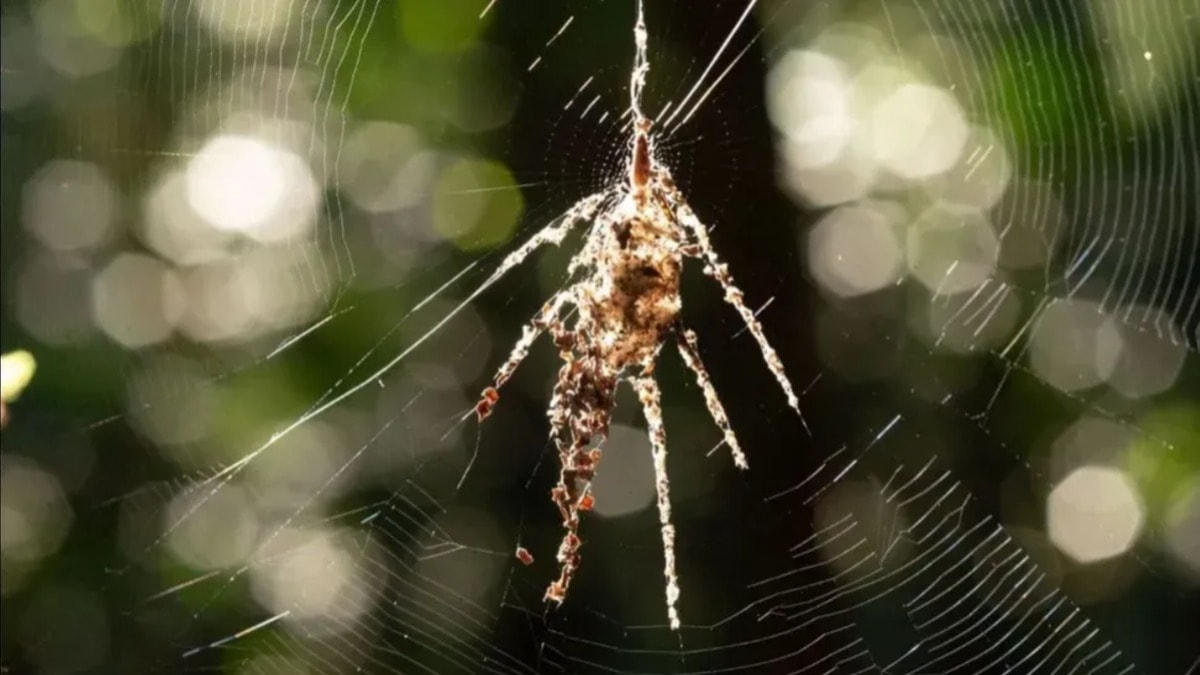
Tiny Spiders, Giant Illusions: Amazonian Arachnids Craft Deceptive Decoys
Tiny Spider's Epic Trap: David vs. Goliath in the ...
Deep within the rainforests of Peru and the lush landscapes of the Philippines, a fascinating tale of survival unfolds. Two species of spiders, barely larger than a grain of rice, are employing elaborate deception to ward off predators, constructing impressive spider-like decoys within their webs. These tiny architects, belonging to the *Cyclosa inca* and *Cyclosa longicauda* species, are using a combination of silk, plant debris, and the remains of their prey to create frightening effigies many times their own size. The findings, published in the journal *Ecology and Evolution* on November 6th, shed light on a sophisticated defense mechanism previously unknown to this extent.
These aren't just decorative additions to the spiders' webs; they're meticulously crafted illusions designed to deter potential threats. George Olah, a conservation geneticist from the Australian National University, emphasizes the painstaking effort involved in creating these "frightening silhouettes." The decoys range from simple, abstract shapes to remarkably detailed replicas of spiders, showcasing the ingenuity of these miniature engineers.
The Art of Deception: More Than Just Decoration
The purpose of these giant "puppet" traps is believed to be predator avoidance. By presenting a larger, potentially dangerous image, the tiny spiders hope to scare away birds, lizards, and other creatures that might consider them a tasty snack. This behavior represents a significant evolutionary adaptation, highlighting the pressure these spiders face in their challenging environments.
An Evolutionary Preference for Illusion
Lawrence Reeves, an entomologist from the University of Florida, highlights the evolutionary significance of this behavior. While other spider species might build tubes or retreats within their webs for protection, *Cyclosa* spiders have opted for a more creative and visually striking defense strategy. The decoys aren't just a casual occurrence; they represent a clear evolutionary preference for this type of deception.
Furthermore, the dedication to these decoys extends beyond simply building them. According to researchers, when these spiders relocate their webs, they painstakingly transport their eggs and the decoy along a silken thread, rebuilding the entire structure in the new location. This suggests that the decoy plays a crucial role not only in defense but also in camouflage during vulnerable periods, ensuring the survival of both the spider and its offspring. The discovery offers a compelling glimpse into the complex and often surprising strategies employed by creatures in the natural world to survive and thrive.
Comments
Please sign in with Google to post a comment
No comments yet. Be the first to comment!