Government Shutdown Ends: A Look at the Cross-Party Voting
Shutdown Showdown: Which Lawmakers Broke Ranks (an...
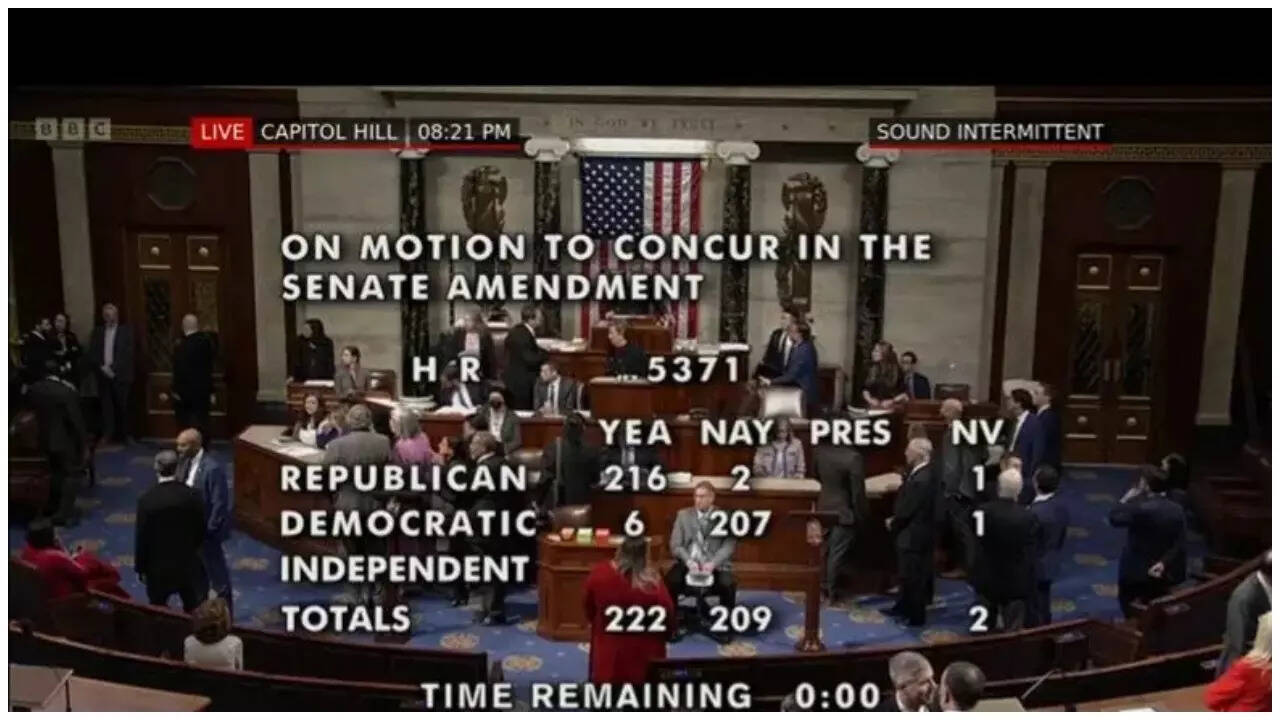
After a record-breaking 43-day government shutdown, the House of Representatives voted to reopen the government, bringing relief to millions of Americans affected by the disruption. The final vote tally was 222 in favor and 209 against, revealing some surprising cross-party allegiances. While the majority of Republicans and Democrats voted along party lines, a handful of representatives broke ranks, drawing attention to the complexities and divisions within both parties.
Democrats Crossing the Aisle
Six Democrats defied their party leadership and voted in favor of the funding measure designed to end the shutdown. These representatives were Jared Golden of Maine, Adam Gray of California, Marie Gluesenkamp Perez of Washington, Don Davis of North Carolina, and Henry Cuellar of Texas. These votes underscore the diverse priorities and perspectives within the Democratic party, particularly among representatives from districts with varying economic and political landscapes. While the exact motivations behind their decisions remain multifaceted, factors such as the economic impact of the shutdown on their constituents and a desire to restore stability likely played a significant role. Their actions sparked considerable debate, with some praising their willingness to compromise and others criticizing them for undermining party unity.
Republican Dissenters
On the other side of the aisle, two Republicans, Thomas Massie of Kentucky and Greg Steube of Florida, voted against the bill. Their opposition stemmed from concerns regarding excessive government spending and a controversial litigation provision included in the agreement. These representatives, known for their fiscal conservatism, argued that the bill did not adequately address the underlying issues driving government debt and that the litigation provision could have unintended consequences. Their stance highlights the ongoing tension within the Republican party between those who prioritize fiscal responsibility and those who are more willing to compromise to achieve other political objectives. The decision by Massie and Steube to vote against their party leadership underscores the deep divisions within the Republican party on issues of government spending and the role of the federal government. The end of the shutdown, while a welcome development, serves as a reminder of the challenges facing Congress in navigating complex policy issues and bridging partisan divides.
Comments
Please sign in with Google to post a comment
No comments yet. Be the first to comment!