Ford CEO Admits Shock at Chinese EV Engineering Prowess, Sparking Internal Overhaul
Under the Hood Surprise: Auto Giant Dismantles Com...
The electric vehicle (EV) market is a battlefield, and Ford CEO Jim Farley has revealed that the competition is fiercer than previously imagined. In a candid admission, Farley described the "earthquake effect" felt within Ford after disassembling and analyzing rival vehicles, particularly those from Tesla and Chinese manufacturers. His statements highlight a growing recognition of China's dominance in EV technology and its potential to reshape the global automotive landscape.
A "Shocking" Revelation: The Impact of Chinese EVs
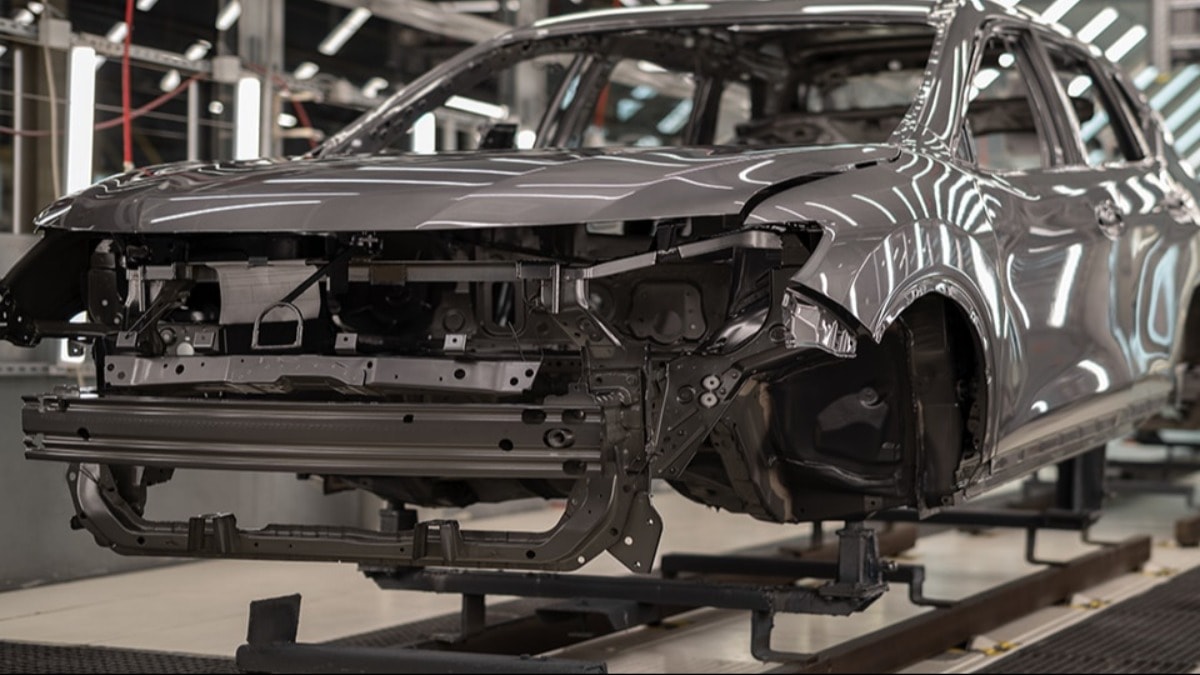
Farley's comments, delivered during a recent podcast appearance, painted a picture of surprise and respect for the engineering prowess displayed by Chinese EV brands. "When we started disassembling the first Tesla Model 3, and then the Chinese brands... What we saw was truly moving. It was shocking," he confessed. This revelation has triggered a "radical transformation process" within Ford, suggesting a significant shift in strategy and resource allocation to compete effectively.
Wiring Differences: A Tangible Example of Innovation
One of the most telling examples cited by Farley was the stark difference in wiring complexity. The Ford Mustang Mach-E, a key player in Ford's EV lineup, contains approximately 1.6 kilometers *more* wiring than the Tesla Model 3. This highlights a significant disparity in design efficiency and integration, suggesting that Chinese and Tesla engineers have achieved a level of optimization that Ford is still striving for.
China's Ascendancy: More Than Just Low-Cost Production
The implications of Farley's statements extend beyond individual vehicle comparisons. Zhang Xiang, Secretary General of the International Intelligent Vehicle Engineering Association, echoed Farley's sentiments, stating that the Chinese industry has become a "global benchmark." China's success isn't solely attributed to low-cost manufacturing; it's a result of producing high-quality EVs with robust supply chains and economies of scale.
Market Data Supports the Trend
Data from the China Association of Automobile Manufacturers (CAAM) reinforces this narrative. In October, new energy vehicles (NEVs) accounted for over 40% of total sales in China, marking a significant milestone. Furthermore, NEV exports surged by 20.4% during the same period, representing a nearly 50% increase compared to the previous year. This growth demonstrates China's expanding influence not only in its domestic market but also on a global scale, contributing to electrification and creating supply chains in developing countries.
Analysts predict that if this momentum continues, Chinese brands could control more than 50% of the global EV market by the 2030s. Ford's internal struggle to adapt, evidenced by its electric vehicle unit's substantial losses, underscores the urgency for established automakers to innovate and compete with the rapidly evolving landscape shaped by Chinese EV manufacturers.
Comments
Please sign in with Google to post a comment
No comments yet. Be the first to comment!