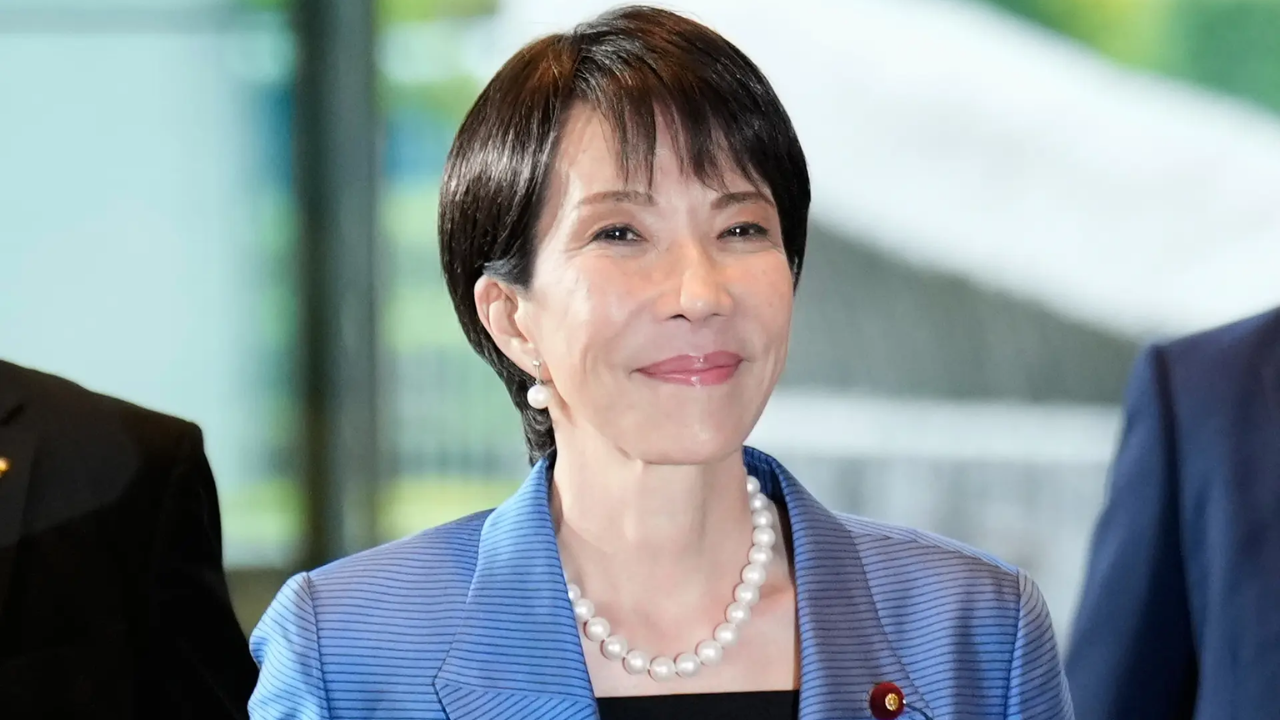
Tradition vs. Progress: Japan's First Female PM Faces Sumo Ring Dilemma
Japan's Prime Minister, Sanae Takaichi, is at the center of a national debate as she prepares to attend the upcoming grand sumo tournament in Fukuoka. The core of the issue? Whether she will break with centuries of tradition and present the prestigious Prime Minister's Trophy to the tournament winner. This seemingly simple act is fraught with cultural significance, highlighting Japan's ongoing struggle to reconcile modern gender equality with deeply ingrained religious customs.
Can Japan's Trailblazing PM Shatter Sumo's Glass C...
For generations, the honor of presenting the trophy has been exclusively reserved for men. This stems from Shinto beliefs that consider the sumo ring, or *dohyo*, a sacred space. Within this belief system, women have historically been excluded due to the perceived impurity associated with menstruation. The notion that menstrual blood renders women "unclean" has long been a barrier to female participation in sumo, and entering the *dohyo* would be a direct challenge to this belief.
Takaichi's potential appearance in the ring
Takaichi's potential appearance in the ring represents a monumental shift. As the first woman to lead Japan, her presence would be a powerful symbol of progress and a statement against gender discrimination. However, it also risks alienating traditionalists and sparking controversy within the sumo community and beyond.
The government has remained tight-lipped on the matter, fueling speculation and anticipation. Chief Cabinet Secretary Minoru Kihara offered a carefully worded statement, emphasizing the Prime Minister's respect for sumo tradition and culture while simultaneously avoiding a definitive answer. "The government has not yet made a decision on the matter," he stated, indicating that Takaichi's personal will would ultimately guide the decision.
The situation underscores the delicate balancing act Japan faces as it navigates the complexities of modernization. While the nation has made strides towards gender equality in recent years, deeply rooted cultural beliefs continue to pose challenges. Takaichi's decision will undoubtedly be closely watched, not only in Japan but internationally, as it symbolizes the ongoing struggle to reconcile tradition with the evolving norms of the 21st century. Whether she chooses to uphold the status quo or break new ground, her actions will have a lasting impact on the future of sumo and the broader conversation surrounding gender equality in Japan.
Comments
Please sign in with Google to post a comment
No comments yet. Be the first to comment!