Turkish Scientists Silence Milk Allergy Gene in Calves, Pioneering New Era in Animal Husbandry
In a groundbreaking achievement, a collaborative research project involving six Turkish universities has successfully produced two healthy calves with silenced genes responsible for the Beta-Lactoglobulin (BLG) protein, a major allergen in cow's milk, particularly affecting children. The TÜBİTAK-funded project signals a potential revolution in food safety and animal husbandry, according to the scientists involved.
Milk Allergy Breakthrough: Gene-Edited Calves Offe...
The research team, comprised of academics from Aksaray University (ASÜ), Harran University, Dicle University, Kastamonu University, Atatürk University, and the International Livestock Research and Training Center, embarked on the ambitious project in 2021. Their goal was to eliminate the production of BLG protein in cow's milk, a notorious trigger for allergic reactions, especially in infants and young children.
The project, officially titled "Modification of
The project, officially titled "Modification of BLG Gene in Vitro Bovine Embryos with CRISPR-Cas9 Technology and Transfer of Obtained Embryos," received crucial funding from TÜBİTAK in 2022. The core of their approach involved utilizing the revolutionary CRISPR-Cas9 gene editing technology. This precise tool allowed them to target and silence the specific genes responsible for BLG production without altering any other aspect of the animal's genetic makeup.
Professor Tahir Karaşahin, Dean of the Veterinary Faculty at ASÜ, emphasized the transformative potential of genetic engineering in achieving sustainable and safe animal production. He described the project as a valuable model for improving food safety for human health. "We began preparing our project in 2021, led by Professors Osman Atlı and Faruk Bozkaya from Harran University Veterinary Faculty," Karaşahin explained. "Our aim was to silence the genes that produce BLG in cow's milk, as BLG causes allergies, especially in babies who drink cow's milk."
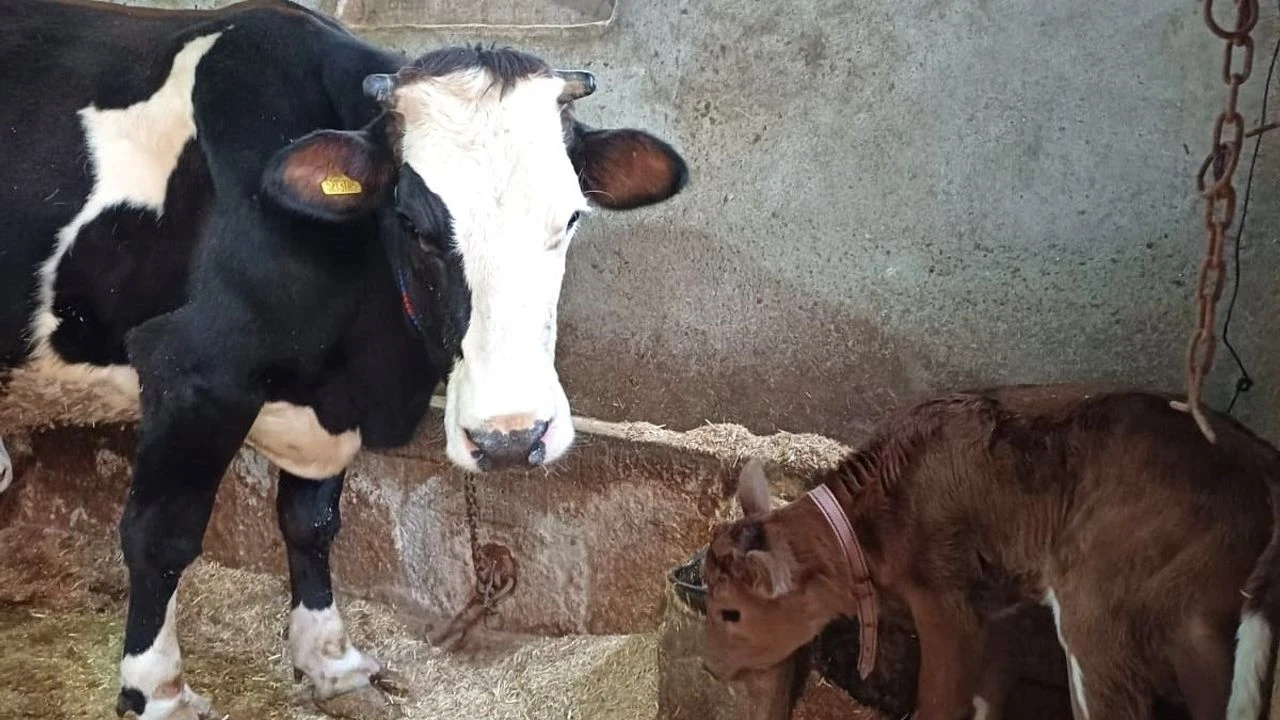
The process involved creating embryos from cow eggs and then using enzymes to precisely cut out the targeted genetic areas responsible for BLG production. These modified embryos were then cryopreserved at -196 degrees Celsius and subsequently transferred to surrogate cows. The result was the successful birth of two calves: a female born in March and a male born in October, both lacking the ability to produce the allergenic BLG protein.
Professor Karaşahin clarified that the genetic modification achieved through this method is akin to natural mutations. The project aims to yield significant benefits in the fields of health, technology, and economics. He also noted that approximately 5-6 out of every 100 people experience milk allergies, highlighting the potential impact of this breakthrough on public health. The successful silencing of the milk allergy gene represents a major step towards producing hypoallergenic milk and improving the lives of countless individuals.
Comments
Please sign in with Google to post a comment
No comments yet. Be the first to comment!