Dénia Healthcare Professionals Hone Skills with Innovative Training
Dénia Healthcare Teams' SHOCK Training: What Happe...
Healthcare professionals in Dénia are sharpening their skills through an innovative training approach that is transforming patient care across the region. It's refreshing to see such a proactive approach to improving healthcare outcomes.
By Lottie Verrier • Published: 22 Mar 2026 • 9:21 • 1 minute read
The Department of Health has placed Clinical simulation at the heart of its ongoing training strategy, aiming to bolster patient safety and elevate standards across both hospital and primary care services. In essence, they're turning training into a game, but one with very serious real-world consequences.
Clinical simulation allows healthcare workers to practice complex medical situations in a controlled, risk-free environment. This enables teams to repeat scenarios as often as needed, building confidence and competence without endangering real patients. Think of it as a flight simulator, but for saving lives instead of flying planes. I remember a similar program being rolled out in my own community a few years back, and the results were noticeably positive.
The method focuses not only on technical procedures but also on essential soft skills such as communication, leadership, and decision-making – key factors in high-pressure medical situations. It’s easy to forget the human element in medicine, so this holistic approach is especially welcome.
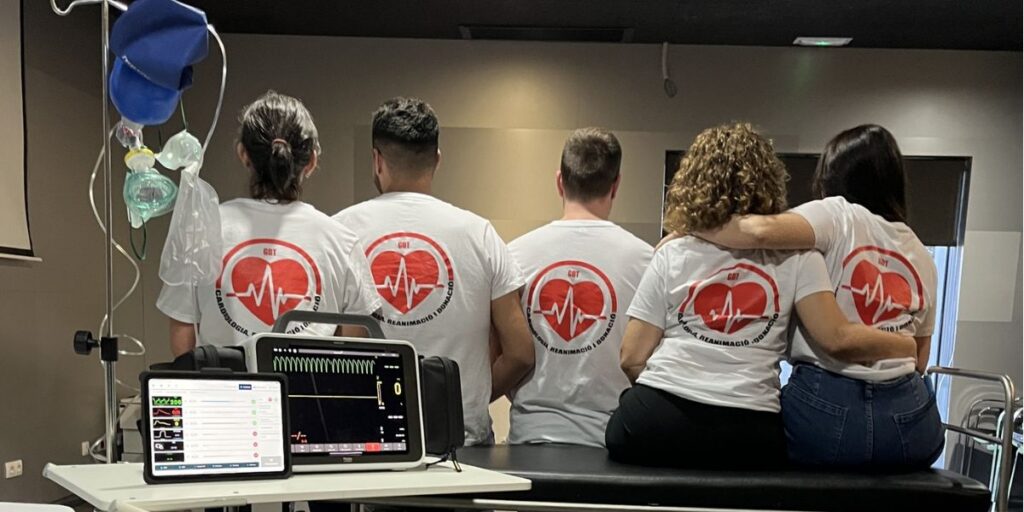
Training sessions are designed to mirror real-life clinical environments, bringing together multidisciplinary teams including doctors, nurses, assistants, and support staff. By recreating real emergency scenarios, professionals learn how to work more effectively as a unit, improving coordination and response times in critical situations. This is particularly critical during those chaotic moments we've all seen portrayed on medical dramas - now those teams will be more prepared.
During 2025, the Emergency Department at Dénia Hospital made simulation a core part of its internal training program. Nearly 100 healthcare professionals participated in exercises covering cardiopulmonary resuscitation and the management of critically ill patients. These sessions were complemented by specialized workshops on urgent care techniques, including cardiac rhythm disorders, sedation, and non-invasive ventilation. That's a significant investment in the skills of their personnel.
The initiative is no longer limited to hospital settings. Through the SimulaAP project, training has been extended to primary care centers, where staff have participated in basic life support sessions. The program has been widely welcomed, with strong participation and positive feedback from professionals involved. Bringing this to primary care allows the benefits of simulated training to reach a wider group of professionals, and ultimately, more patients.
Looking ahead, the Department of Health plans to broaden the program even further in 2026, incorporating additional specialties such as pediatrics and anesthesia. There are also plans to develop a dedicated simulation training space equipped with high-tech mannequins, allowing for even more realistic learning experiences. The mannequins alone represent a significant investment in improved training.
With its growing reach, clinical simulation is quickly becoming a cornerstone of healthcare training in Dénia—helping professionals deliver safer, more effective care across the region. It's the kind of investment that pays dividends in the long run, not just for patients but also for the well-being and confidence of our medical professionals.
Comments
Please sign in with Google to post a comment
No comments yet. Be the first to comment!