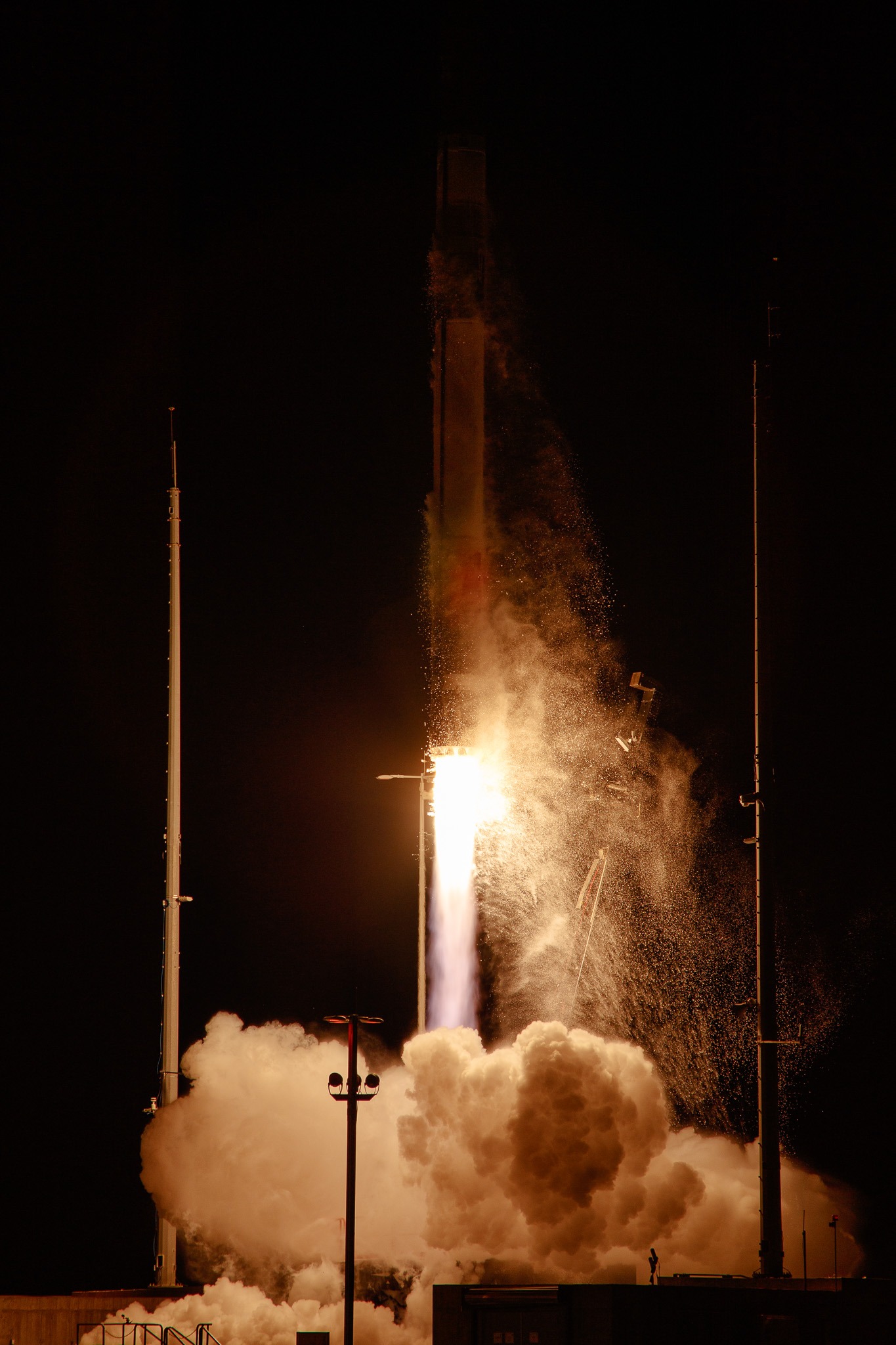
Wallops Island, Virginia, lit up the night sky on February 27, 2026, as a Rocket Lab HASTE rocket soared skyward from Launch Complex 2. This wasn't just another launch; it was the Cassowary Vex mission, and it marked the first HASTE launch of the year from Wallops, with critical support from NASA.
NASA's Daring 2026 Rocket Launch: What Secrets Wil...
The mission's primary objective was the flight of a cutting-edge Hypersonic test platform. Now, hypersonic technology is a hot topic, and this particular project is backed by the Department of War's Defense Innovation Unit. Essentially, they're pushing the boundaries of flight speed and maneuverability, and this launch represents a significant step in that direction.
NASA’s Wallops Flight Facility played a crucial role in ensuring the mission's success. Think of Wallops as the mission control backbone. They provided essential services, including tracking the rocket's trajectory, receiving and interpreting telemetry data, and, most importantly, ensuring range safety. This last point is paramount; every precaution is taken to mitigate any potential risks associated with a rocket launch.
What's really interesting is the broader context of Wallops Island. It’s not just a NASA facility; it's a key asset for national security. The launch range provides a vital launch site and support infrastructure for commercial partners like Rocket Lab, as well as other government agencies. This collaboration allows for efficient and effective testing and deployment of advanced technologies. You could say it’s a great example of public-private partnership in action.
These launches, especially those dealing with Hypersonic technologies, are incredibly complex. They require meticulous planning, precise execution, and a whole lot of expertise. Having seen a few launches myself (though admittedly, not a hypersonic test flight), I can tell you that the coordination involved is mind-boggling. It’s not just about getting the rocket off the ground; it’s about monitoring every single aspect of the flight, from engine performance to atmospheric conditions, and having contingency plans in place for every possible scenario.
The successful Cassowary Vex mission further solidifies Wallops Flight Facility's position as a vital hub for aerospace innovation and national security initiatives. As we continue to explore the possibilities of hypersonic flight and other advanced technologies, facilities like Wallops will undoubtedly play an increasingly important role in shaping the future of aerospace and defense.
Comments
Please sign in with Google to post a comment
No comments yet. Be the first to comment!