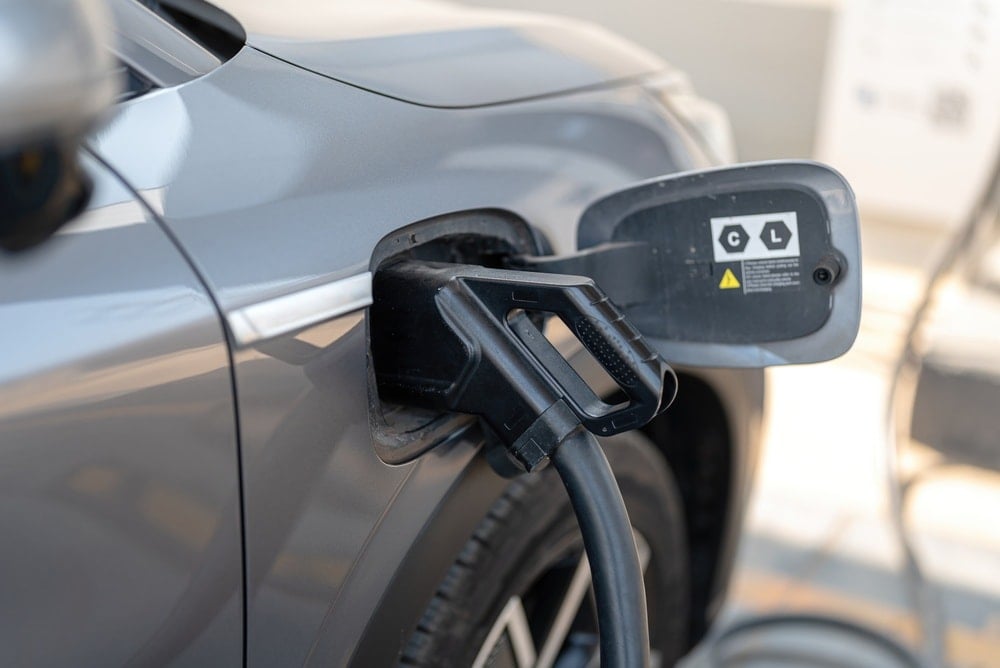
The irony isn't lost on anyone, I suspect. Climate change, the very problem driving the electric vehicle (EV) revolution, is now posing a significant challenge *to* that revolution. We're all seeing the push for EVs accelerate, right? Environmental awareness is finally starting to translate into consumer choices, and governments are (mostly) on board with mandates and incentives. The numbers don't lie: I saw data indicating that, for the first time ever, electric car sales in the EU actually surpassed gasoline-powered vehicles back in December 2025. That's a huge milestone, even if the EU is now seemingly backpedaling a bit on the 2035 emissions ban. Even the *increase* in hybrid registrations points to a clear and definite shift.
Climate Crisis SHOCK: Is Your EV's Performance Abo...
Gasoline car registrations were down nearly 19% by the end of 2025, with declines across all major European markets. Pretty telling. But here's the rub: how well do these EVs actually hold up in increasingly extreme weather? Because, let's face it, 2025 wasn't exactly a picnic. It was the third warmest year *ever* recorded, both globally and in Europe. Global temperatures exceeded pre-industrial levels by a whopping 1.5°C. Copernicus, the European climate monitoring service, attributes this to rising sea surface temperatures and the relentless build-up of greenhouse gases. All things directly linked to human activity, of course.
And guess what? Heat *directly* impacts EV performance. We're talking significant impact. A study from 2025 found that EV range can plummet by as much as 44% in temperatures between 32 and 44°C (that's 90-111°F for us Americans). That's...significant. Polestar, the electric performance car manufacturer, even chimed in, explaining that high heat accelerates chemical reactions inside the battery, leading to battery degradation. Not good. It's a bit like running a marathon in the desert – everything just works harder and breaks down faster.
However, there's a glimmer of hope. New research out of the University of Michigan suggests that next-generation battery technologies are proving to be more resilient. They compared the durability of older batteries (2010-2018) with newer ones (2019-2023). In a scenario involving a 2°C temperature increase, the older batteries saw their lifespan decreased by up to 30%, while the newer batteries only saw an average decrease of 3% – a worst-case scenario of 10%. Huge difference!
Haochi Wu, the lead author of the study, confidently suggests that technological advancements will largely mitigate the negative effects of a warmer climate on EV battery performance. Sounds promising, right? However, and this is a *big* however, the study only analyzed two EV models. So, while the results are encouraging, we need to see more research across a wider range of vehicles to truly understand the long-term impact of climate change on the entire EV fleet. It's a start, but definitely not the final word.
Comments
Please sign in with Google to post a comment
No comments yet. Be the first to comment!