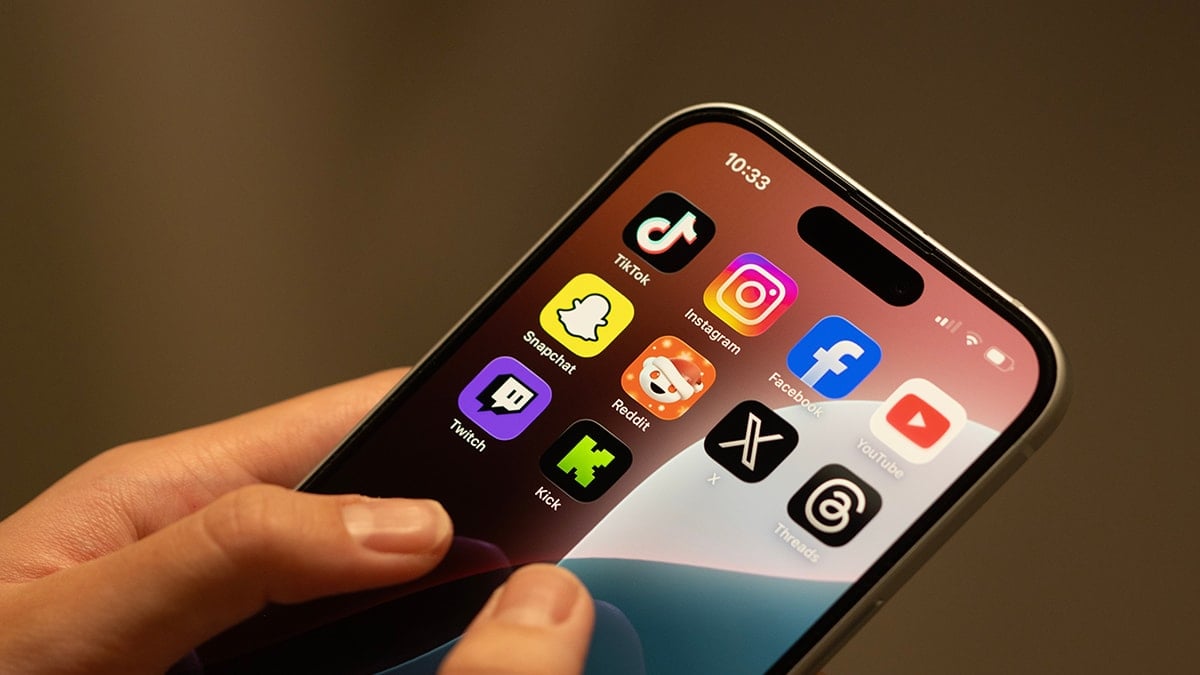
Turkey is about to drop the hammer on Social media access for young children. The government is finalizing regulations that will bar anyone under 15 from creating social media accounts, a move aimed at protecting kids from the darker corners of the internet. Transport and Infrastructure Minister Abdulkadir Uraloğlu made the announcement, signaling a significant shift in how Turkey approaches online safety.
Social Media SHUTDOWN?! Under 15s BANNED! What Hap...
Uraloğlu unveiled the plan at an iftar dinner hosted by BTK Academy for communication sector representatives, a pretty standard setting for these kinds of announcements, actually. It’s always at these kinds of events, or maybe a random press conference, where these big regulatory shifts get casually mentioned. You’d think something this impactful would warrant a bit more fanfare, but hey, that’s politics, right?
The new regulations aren't just about banning under-15s from TikTok and Instagram, though. They're part of a larger initiative to create a safer digital landscape for children. Uraloğlu emphasized the collaborative effort with the Ministry of Family and Social Services, highlighting the seriousness with which the government is treating this issue. It’s encouraging to see multiple agencies working together; often, these efforts feel fragmented, so this sounds like a positive step.
So, what does this actually *look* like? The regulations will introduce a new identity verification system, which presumably will make it harder for younger kids to circumvent the ban. Internet service providers and Social media platforms are also going to be held more accountable, facing increased responsibilities and stricter oversight. The details are still a bit vague, but it sounds like Turkey is planning to significantly ramp up its enforcement capabilities. Uraloğlu put it bluntly: "No one can stop us from protecting our children." It's a strong statement, leaving little room for ambiguity about the government's commitment.
Of course, the devil is always in the details. How exactly will this identity verification system work? Will it be effective in preventing determined teenagers from creating fake accounts? And what about the impact on free speech? There are always trade-offs when governments try to regulate online spaces, and it remains to be seen whether Turkey can strike the right balance between protecting children and upholding individual liberties. I’m genuinely curious to see how this plays out in practice, and what unintended consequences might arise. Only time will tell if this bold move will truly benefit Turkey's youth.
Comments
Please sign in with Google to post a comment
No comments yet. Be the first to comment!