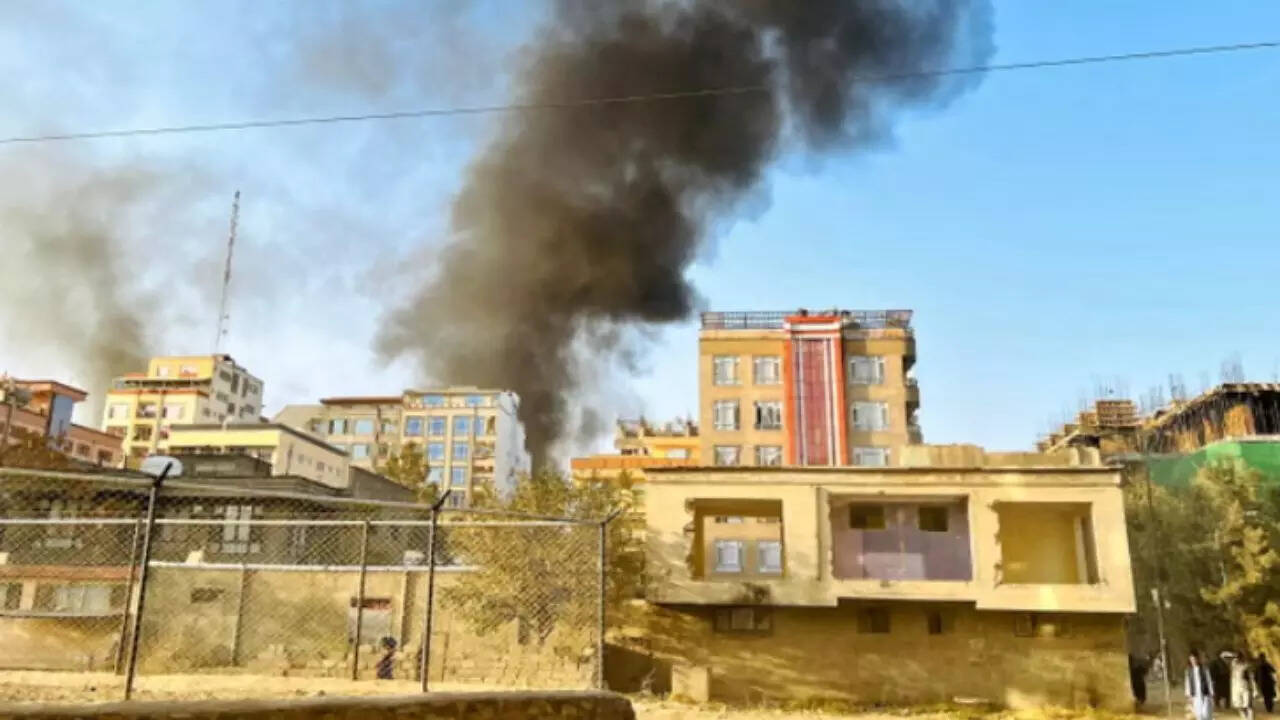
The already volatile relationship between Pakistan and Afghanistan has taken a decidedly dangerous turn. Kabul has launched drone strikes targeting Pakistani military installations, a move that significantly escalates the ongoing conflict between the two nations. This action comes on the heels of Pakistani airstrikes within Afghan territory, setting the stage for what appears to be a full-blown, albeit undeclared, war.
Pakistan-Afghanistan War? Kabul's Drone Strikes Ra...
While Afghanistan claims the drone strikes were a retaliatory measure for Sunday’s Pakistani airstrikes, Islamabad is singing a different tune. According to Pakistani officials, their anti-drone systems successfully intercepted the incoming drones, preventing any casualties. However, Kabul insists its military conducted targeted attacks along the border, hitting targets in six provinces. The reasoning? Alleged "irrefutable evidence" that militants operating from within Afghanistan orchestrated recent attacks and devastating suicide bombings inside Pakistan.
The situation on the ground is, predictably, chaotic. Fighting continues to rage in the Torkham border region, a historically tense area. Afghan authorities in Nangarhar province have accused Pakistan of firing mortars into civilian areas, including a refugee camp that had thankfully already been evacuated. This claim, if true, is deeply concerning and further complicates efforts towards de-escalation. Adding fuel to the fire, Pakistan's Defence Minister Khawaja Mohammad Asif has declared that the country now considers itself to be in an "open war" with Afghanistan. These are strong words, folks, and they don't bode well for a quick resolution.
As is often the case in conflict zones, getting a clear picture of casualties is proving difficult. Conflicting figures are flying around faster than the drones themselves. Afghanistan's defense ministry is reporting a significant toll: 55 Pakistani soldiers killed, alongside eight Afghan soldiers. Meanwhile, Pakistan's Information Minister Attaullah Tarar claims only two Pakistani soldiers were killed and three wounded. A spokesperson for Prime Minister Shehbaz Sharif went even further, refuting claims of captured Pakistani soldiers and asserting that over 100 Afghan fighters were killed. The sheer disparity in these numbers makes it incredibly difficult to ascertain the true human cost of this conflict. It's a grim reminder of the fog of war.
Unsurprisingly, the international community is deeply concerned. The United Nations, along with key regional players like Iran and China, are urging both countries to cease hostilities immediately, prioritize the protection of civilians, and return to the negotiating table. They're calling for an immediate halt to the fighting, which, frankly, is easier said than done. We've seen this movie before. Just last October, previous border clashes, which resulted in dozens of soldiers killed, were only resolved through the mediation efforts of Turkey, Qatar, and Saudi Arabia. That led to a fragile ceasefire. The question now is, can a similar diplomatic intervention prevent this already dangerous situation from spiraling further out of control? Let's hope cooler heads prevail.
Comments
Please sign in with Google to post a comment
No comments yet. Be the first to comment!