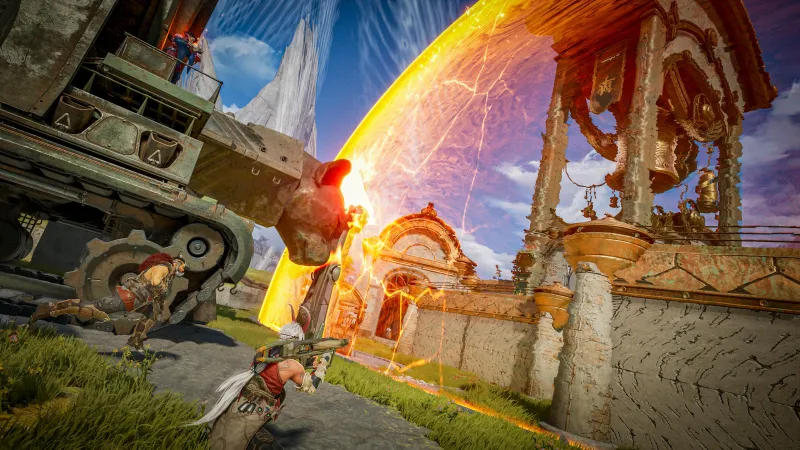
Ouch. The story of Wildlight Entertainment and their debut title, Highguard, is a cautionary tale playing out in real-time. A new report from Forbes paints a grim picture of the studio's rise and rapid fall after the launch of their first-person raid shooter on PS5, Xbox Series X/S, and PC.
Highguard Launch Secrets REVEALED! Shocking Fallou...
Remember Highguard? It made a splashy entrance at The Game Awards 2026, promising a fresh take on the live-service shooter. And for a brief, shining moment, it seemed like they might pull it off. Over 100,000 concurrent players flocked to the game on Steam initially. But that honeymoon period was *very* short-lived. Player counts plummeted, and the game's Steam reception quickly soured to "mixed." That's rarely a good sign.
The fallout was swift and brutal. Just two weeks after launch, Wildlight Entertainment slashed the vast majority of its 100-person workforce. According to the Forbes report, fewer than 20 developers remain. They've managed to push out two substantial patches since the layoffs on February 11th, which is frankly astonishing given the circumstances. It makes you wonder what could have been if they had been given proper support.
The Forbes report digs into the backstory, revealing that Wildlight was founded by a small group of ex-Respawn Entertainment employees – folks who had been instrumental in launching Apex Legends and watched it rake in over $3 billion. Apparently, some of those creatives felt they didn't get their fair share of the Apex windfall, fueling the dream of starting their own studio and building a hit live-service game where the profits would be more equitably distributed. A noble goal, to be sure. And Dusty Welch, Wildlight's co-founder and CEO, leaned heavily into that profit-sharing promise to attract talent.
Initially, the game was conceived as a Rust-like survival experience, but it eventually morphed into the raid shooter we know as Highguard. Testing commenced, involving staff, external players, and even Tencent's TiMi Studio Group. The involvement of Tencent, the Chinese tech behemoth, which helped fund Highguard, adds another layer to the story. But even with supposedly positive test reception, warning signs emerged. Some employees worried that the controlled test environments didn't accurately reflect real-world play. Developers were actively assisting playtesters, encouraging communication, essentially holding their hands – things that wouldn't happen in the wild. The suggestion to run a beta or open playtest to get a true sense of how the game would perform was reportedly rejected by leadership. That seems like a critical misstep in hindsight.
Wildlight seemed determined to emulate Apex Legends' surprise launch strategy – announce and launch quickly. But Highguard's reveal was met with skepticism and even online mockery, drawing unfortunate comparisons to PlayStation's own live-service shooter, Concord, which, let’s not forget, was essentially shut down before it barely got out of the gate. It's a tough lesson for any studio: lightning doesn't always strike twice.
The report portrays Wildlight as having a "healthy, collaborative" environment... up to a point. It's a stark reminder that even the best intentions and a talented team aren't always enough to guarantee success in the cutthroat world of game development. The full Forbes report is definitely worth a read if you're interested in a deeper dive into the behind-the-scenes drama.
Comments
Please sign in with Google to post a comment
No comments yet. Be the first to comment!